The Malayalam writer's Facebook note calls Urvashi's turn as a controlling, unravelling mother in Aasha the film's entire spine, arriving just as a real case of sudden violence dominates conversation.
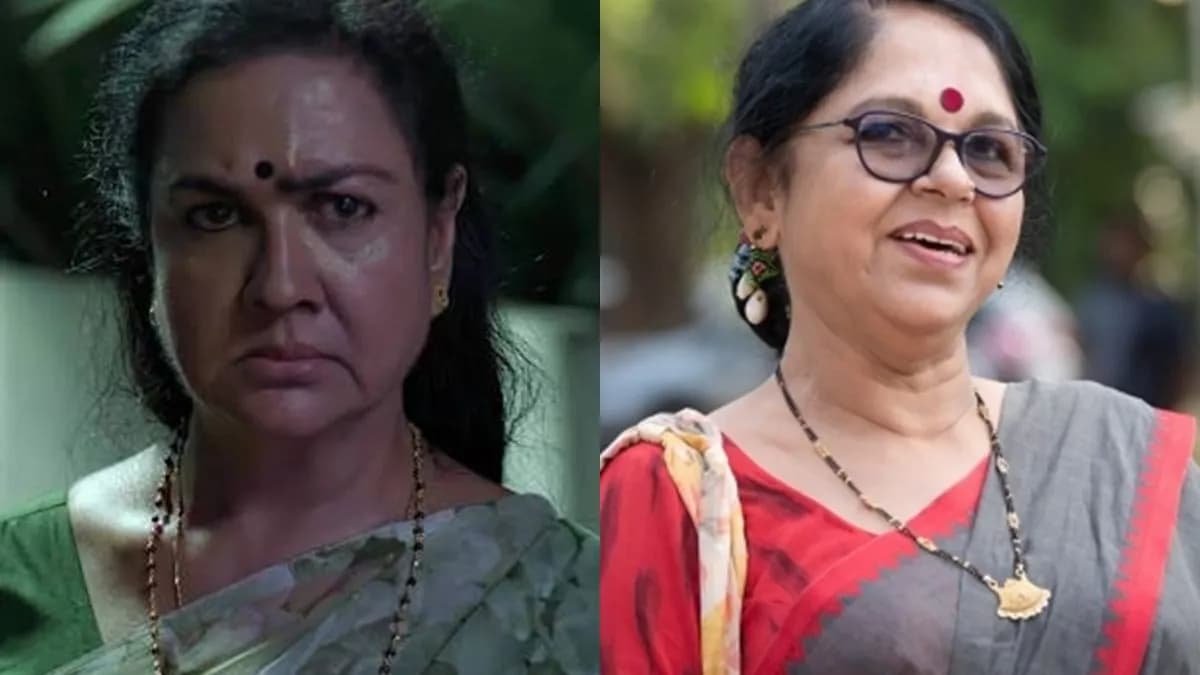
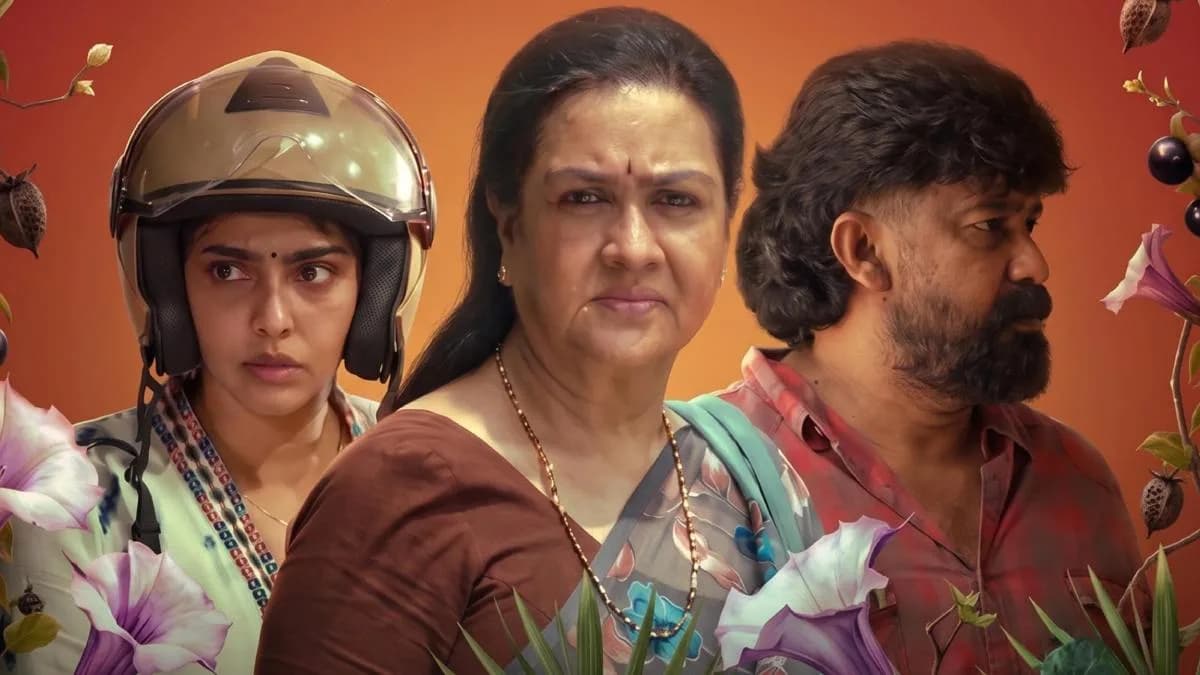
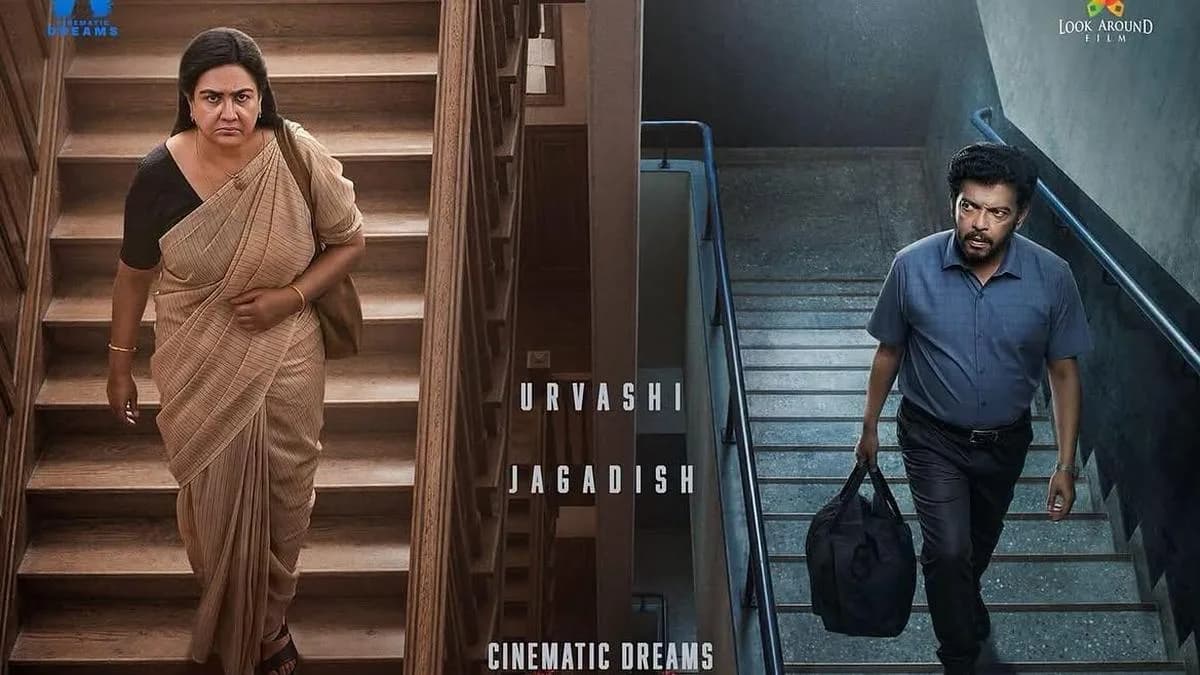
Malayalam writer S. Saradakutty has gone public with her admiration for Urvashi's work in Aasha, calling the actor's performance one that nobody else could have pulled off.
In a note posted to Facebook, Saradakutty says the film handles a subject society is currently arguing about with unusual seriousness, and that Urvashi carries the entire picture on her shoulders. She points out that Aasha lands at a moment when people are already talking about how ordinary humans slide into cruelty and breakdown, referencing the recent case of a young woman named Anila who allegedly killed two friends in a matter of moments. Saradakutty frames this as the backdrop against which Aasha's story of a woman coming undone feels urgent rather than exploitative. That case remains an allegation, and Saradakutty's note does not claim any legal outcome.
Her description of Urvashi's character is unsparing. Aasha is a woman who insists every household burden must sit on her shoulders alone, who cannot see how far things have unravelled around her, and whose anxiety infects everyone in the frame. Saradakutty writes that watching Urvashi cry while sitting rigid as stone, or plead "understand me" with a face caught between helplessness and hardness, is something only this actor could make you feel in your body.
A mother, not a victim
Saradakutty is careful to reject an easy reading. Aasha isn't a fragile woman undone simply because there's no husband in the house, she argues. The character's real trouble is a refusal to let go, a fixation on her children that tips into something closer to obsession. She draws the character as someone with a dictator's instinct for self-justification, shaped by old grievances she has never fully processed.
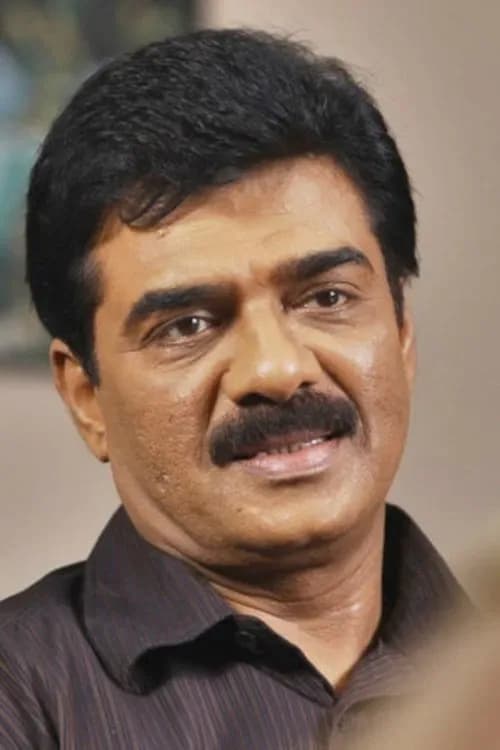
That refusal to remarry surfaces in one thread of the plot, where Vijayaraghavan's character tries, and fails, to raise the subject with her. It's Aasha's daughter, not Aasha herself, who wants her mother married off, driven by how suffocating she finds their shared home. Saradakutty reads this as the film's real subject: not a woman's independence, but the mother-daughter tension of a parent who stitches her daughters to herself as though they were extensions of her own body, and a film that, unusually for Malayalam cinema, foregrounds that friction over the more familiar mother-son or father-son conflicts.
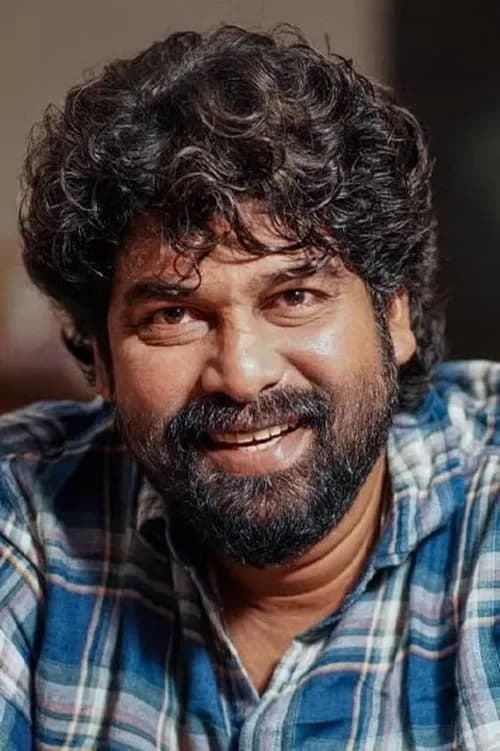
Joju George, playing a character referred to as Jeemon, gets equal praise for the film's closing stretch, where Aasha's decision involving him lands with real weight. Saradakutty also singles out the cinematography, calling the opening shot and a final image involving an overturned pickup van among the film's most striking choices, and credits everyone from the music team to the director for keeping the film's social relevance intact without losing its grip.
The note closes on a line of praise for the film's director, whom she names as a dependable presence in Malayalam cinema going forward. Whether that endorsement travels beyond film circles into wider conversation about the movie's box office run is the thing to watch next.
Be the first to comment
Join the argument. No password, just your email or a passkey.