The lyricist told Komal Nahta he'd written songs for Mansoor Khan's practice film before being swapped out just as Qayamat Se Qayamat Tak went into production.
Sameer says he came within a signature of writing the songs for Qayamat Se Qayamat Tak, and then watched the job go to Majrooh Sultanpuri instead.
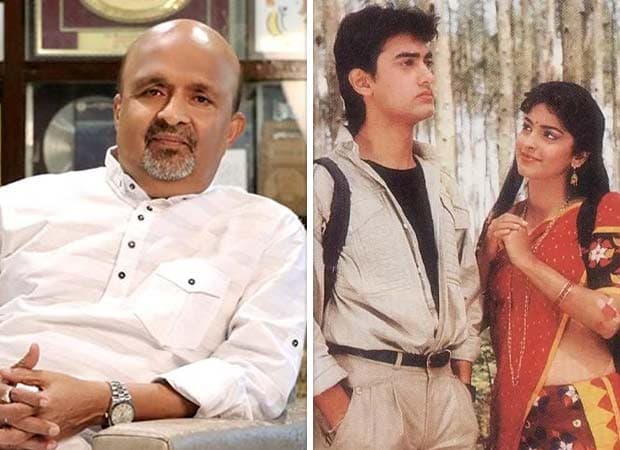
The lyricist laid out the story in a conversation with Komal Nahta, well before the QSQT shoot even started. Nasir Hussain, wary of letting his son direct a full feature straight off, had asked Mansoor Khan to first cut his teeth on something smaller. That became Umberto, a short shot in Bandra with two songs written by Sameer, back when he was hanging around Mansoor's bungalow most evenings with Anand-Milind and a young Aamir Khan for company.
Umberto worked. Nasir Hussain liked it enough to greenlight the real film. But he had a condition attached: the family had always worked with R D Burman on music and Majrooh Sultanpuri on lyrics, and he wanted that continued.
Mansoor pushed back. "Main toh naye logon ke saath kaam karoonga," he told his father, unwilling to work under seniors he'd feel awkward around. Sameer describes it as a real rift between father and son over the decision.
What they landed on was a split. Anand-Milind stayed on as composers. Majrooh Sultanpuri came in as lyricist. Sameer was out.
"Aur main kat gaya," he said, still smiling about it decades later, according to the interview. Qayamat Se Qayamat Tak went on to become one of the defining hits of 1988, launching Aamir Khan and Juhi Chawla and turning Anand-Milind into one of the era's most in-demand composing duos.
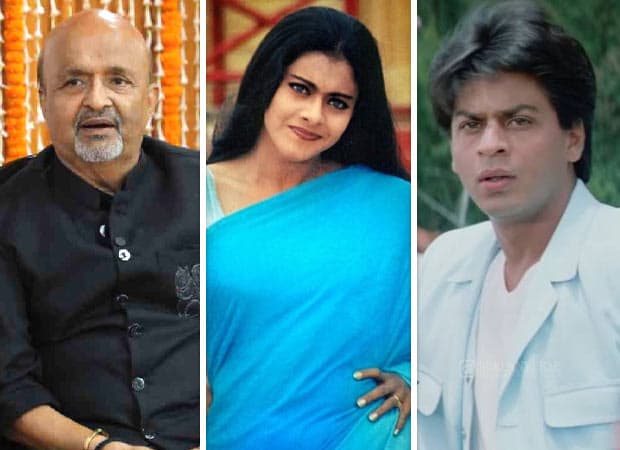
The irony, as Sameer tells it, is that the Mansoor Khan-Majrooh pairing didn't stop there. The two worked together again on Jo Jeeta Wohi Sikandar and Akele Hum Akele Tum, meaning Sameer had to wait years for a shot at a Mansoor Khan film. That finally came with Josh in 2000, where he wrote 'Hai Mera Dil', 'Hum To Dil Se Haar', 'Mere Khayalon Ki Malika' and 'Sailaru Sailare' for Shah Rukh Khan's release.
His first collaboration with Aamir Khan, had already happened by then anyway. Sameer wrote for Dil in 1990, two years after the QSQT snub, and those songs turned into hits of their own.
Sameer has been in a talkative mood lately about how the industry treats old songs and old lyricists, and this anecdote fits into a run of interviews where he's been unusually candid about the years before he became a fixture of Hindi film music. Whether he ever discussed the QSQT episode directly with Majrooh Sultanpuri, who died in 2000, isn't part of the account he gave Nahta.



Be the first to comment
Join the argument. No password, just your email or a passkey.