The Malayalam‑Tamil‑Telugu star who won awards across three languages and dubbed for over two hundred heroines vanished from screens after marrying in 1989, leaving a lingering fan fascination.
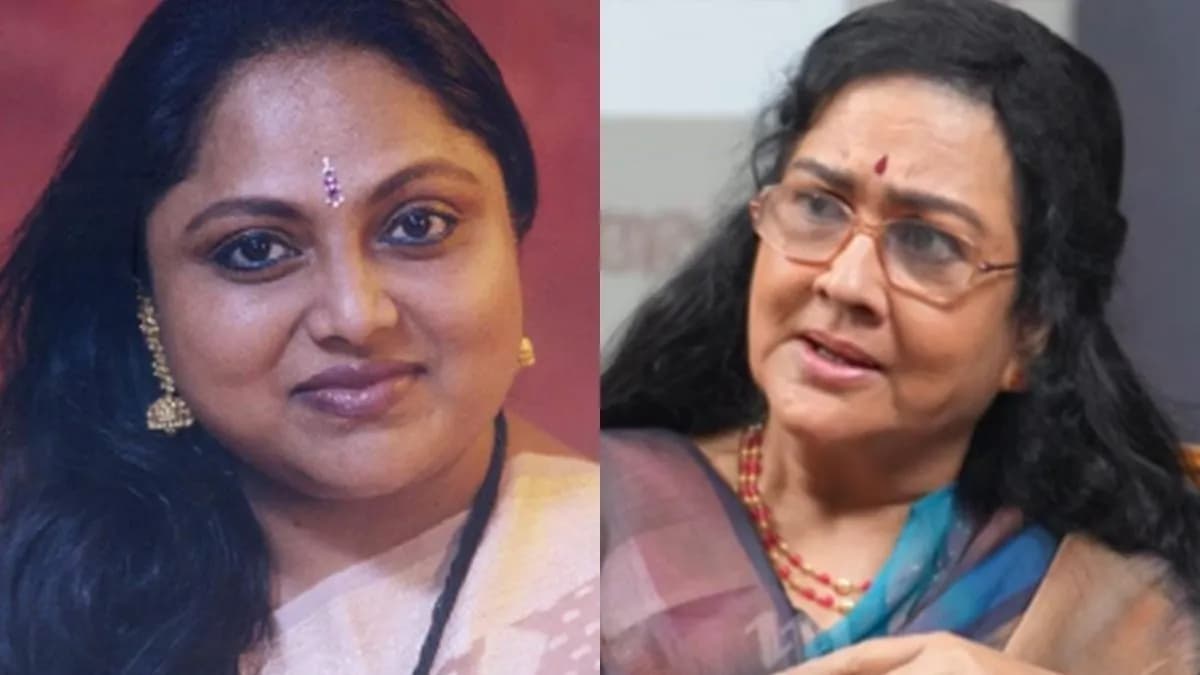
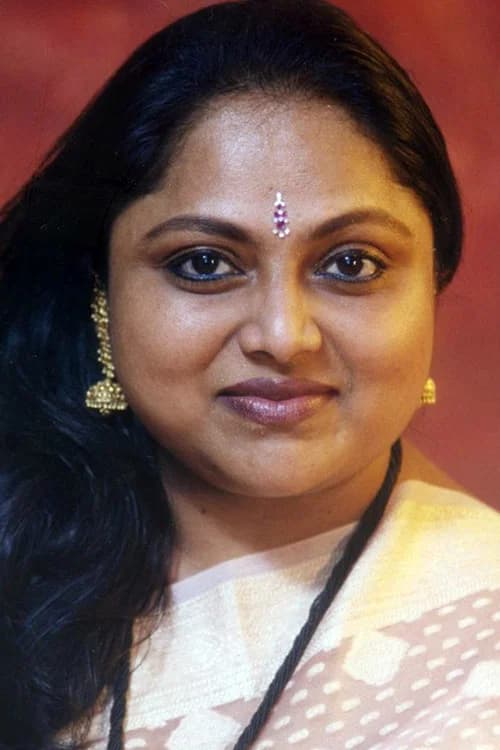
Saritha, the actress who ruled South Indian screens throughout the 1980s, stepped away from the limelight the moment she tied the knot in 1989. At the peak of a career that spanned Tamil, Kannada and Telugu industries, she chose marriage and a sabbatical over a string of high‑profile projects.
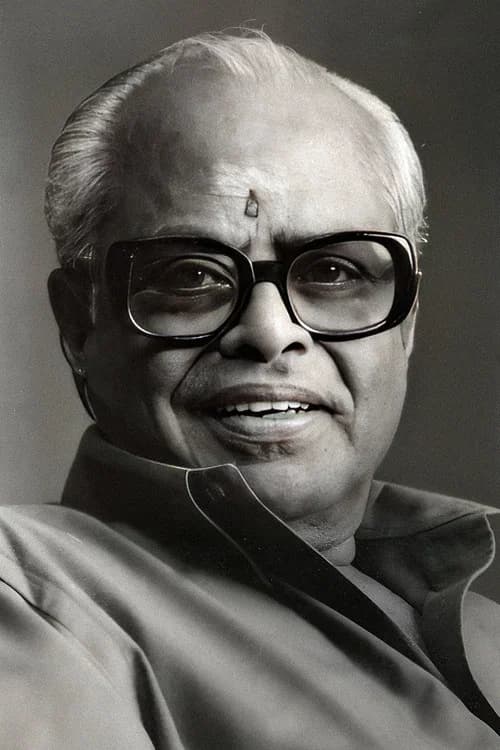
Her ascent was meteoric. Director K. Balachander, a powerhouse of the era, cast her in twenty‑two of his films, trusting her to carry both dramatic weight and commercial appeal. From the moment she entered the industry as an eighth‑grade student, Saritha’s expressive eyes and resonant voice set her apart, earning her a cascade of state and national awards across three film cultures.
Beyond her on‑screen presence, Saritha built an unseen empire as a dubbing artist. She lent her voice to more than two hundred heroines, including early‑career Vijayashanti, Suhasini, Khushbu and Saundarya. Those actresses later recalled that Saritha’s vocal timbre gave their characters the gravitas needed to win audiences, a fact highlighted by actress‑producer Kuttipathmini in recent interviews.
“If I ever admired an actress after Savithri, it was Saritha. Her eyes spoke volumes,” Kuttipathmini said, adding that the two shared a love for the flower mallippu and similar family aspirations. “She wanted a love marriage, but it fell apart. Like me, she put her art aside for her children and even sent them abroad for schooling.”
The personal narrative mirrors her professional one: a promising trajectory interrupted by private turbulence. While Saritha’s marriage and subsequent family responsibilities kept her away from sets, she occasionally resurfaced in cameo roles, reminding fans of her lingering presence.
Not everyone was kind. A handful of contemporaries whispered that Saritha’s dark complexion and modest height made her an unconventional choice for leading roles, questioning whether she fit the industry’s beauty mould. Yet, according to Kuttipathmini, Saritha brushed off such remarks, focusing solely on her craft.
A Voice Behind Hundreds
Saritha’s dubbing work remains a hidden chapter of her legacy. In the early 80s, when regional cinema relied heavily on post‑production voice‑overs, her baritone added depth to fledgling stars, effectively shaping the soundscape of South Indian films. Critics today argue that without her contributions, many debut performances would have struggled to find footing.
Her hiatus left a vacuum that newer actresses tried to fill, but the nostalgia for her nuanced performances persists. Social media threads regularly resurrect clips from her classic films, sparking debates about whether she should make a formal comeback or be honoured with a retrospective.
The industry’s memory is selective. While blockbuster numbers and award tallies are documented, the softer influence of a voice that guided hundreds of careers often slips through archival cracks. Saritha’s story shows how personal choices intersect with public expectations, especially for women navigating fame in the 80s.
As the next wave of South Indian cinema looks back to its golden era, Saritha’s name surfaces in conversations about unsung contributors. Whether she will step back into the frame or remain a revered off‑screen legend is still an open question, but her imprint on the region’s cinematic fabric is undeniable.
Fans await any hint of a revival, while scholars continue to catalogue her contributions. One thing is clear: Saritha’s blend of acting prowess and vocal mastery set a benchmark that still resonates, decades after she first walked onto a set.

Be the first to comment
Join the argument. No password, just your email or a passkey.