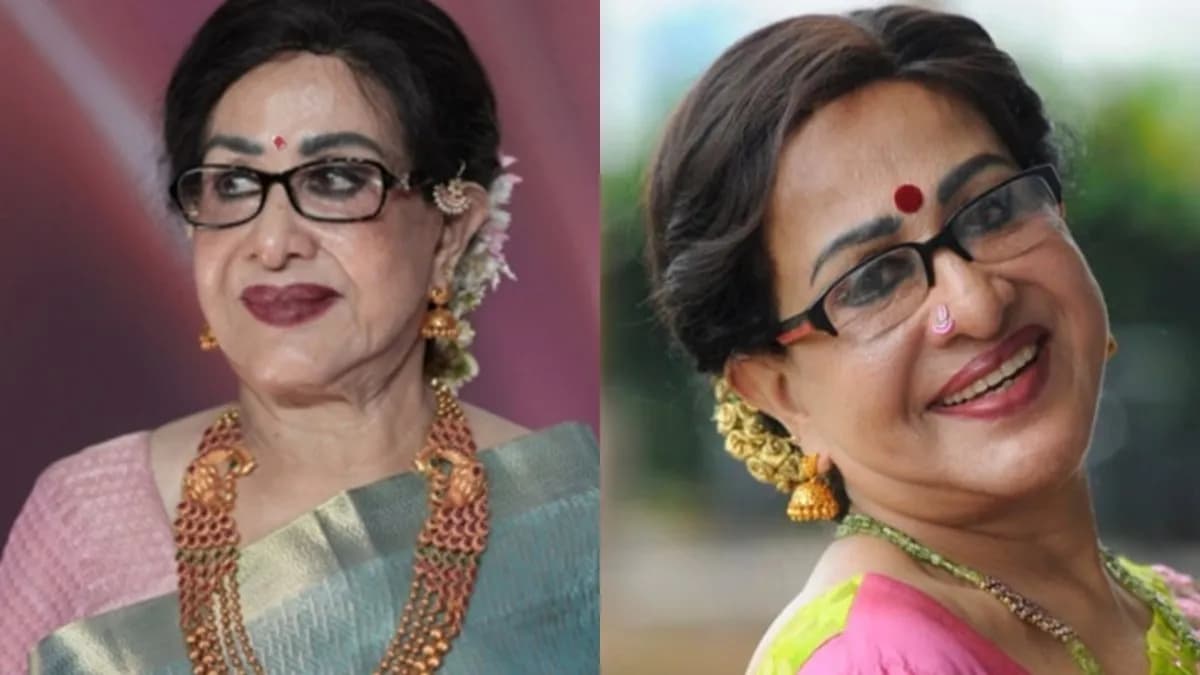
The veteran actress says her crew stripped away her makeup before the film's most loved song, and the sadness on screen was hers, not Karuthamma's.
Sheela has never hidden her love for makeup. Ask her and she'll tell you she wants to age gracefully, and that means looking put together on set, always. So when the team behind Chemmeen told her the film could only be shot with her face bare, it rattled her more than she expected.
Recalling the shoot years later, Sheela said she had convinced herself she looked "terrible" without makeup and had told the unit as much before the cameras rolled. But the answer came back firm. The film would only work if she stripped it all off. The producer and others on set eventually talked her into it, and the first thing shot after that was the song "Pennaale," now one of the most recognised sequences to come out of Malayalam cinema.
What audiences read as Karuthamma's heartbreak was, in Sheela's telling, something else entirely. She says she wasn't thinking about Pareekutty when the cameras started rolling. She was thinking about her makeup, and how it had just been wiped off her face. The sadness that made it onto film, by her own account, was real, just not for the reason anyone assumed.
The Alakappan story
The actress's attachment to her look has come up before, from people who worked opposite her rather than from Sheela herself. Cinematographer Alakappan, who shot Manassinakkare with her, has recalled arriving on location to find her in makeup so heavy it clashed with the rest of the cast, possibly a holdover from the pancake-makeup era of her early career.
Alakappan says he was too nervous to raise it directly. He didn't know her well and worried she'd take it as an insult. So he tried a workaround instead, telling her he needed to use a red filter on the camera for a particular colour effect, and that her makeup was too heavy for it to register properly. She bought it, called in the makeup man, and had it removed.
That didn't end the matter. Alakappan says she'd keep a lipstick tucked away and touch up her lips right before a take when she thought no one was looking. He'd spot it, take the filter argument out again, and she'd get visibly irritated, though he remembers her eventually coming around to it with something closer to amusement than annoyance. Over time, he says, she settled into acting with her face wiped clean, filter excuse and all.
Both accounts point to the same thing: an actress whose relationship with her own image was, by her own admission, complicated enough to shape how two of her most talked-about performances actually got made.


Be the first to comment
Join the argument. No password, just your email or a passkey.