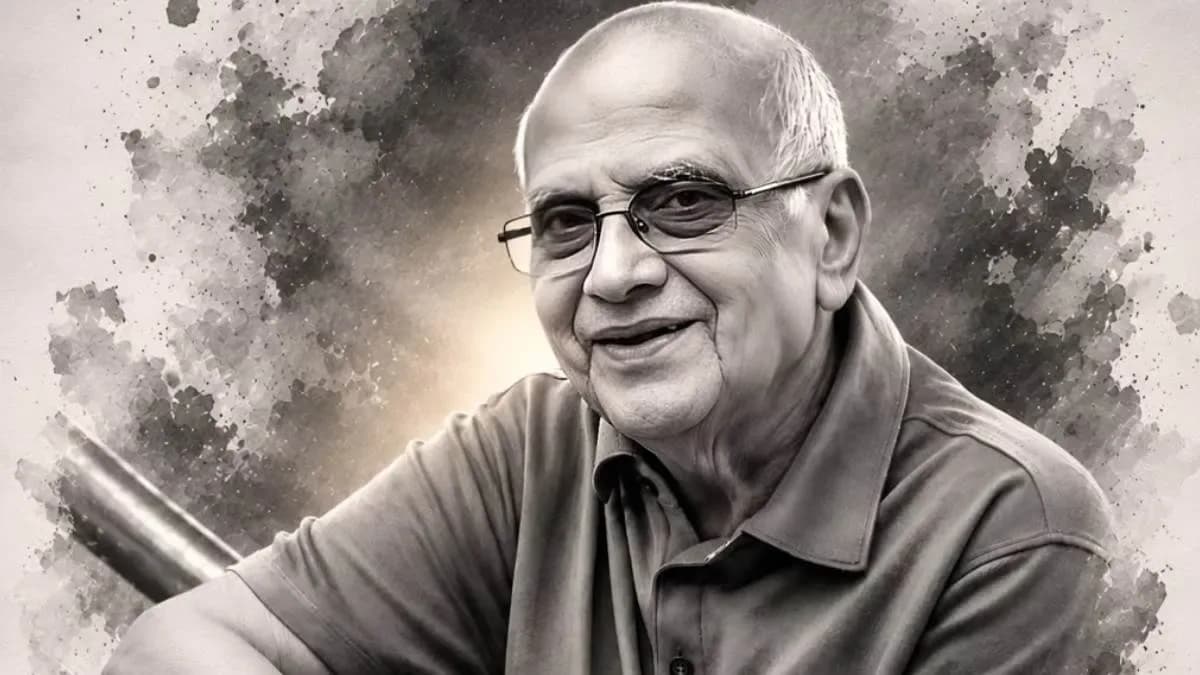
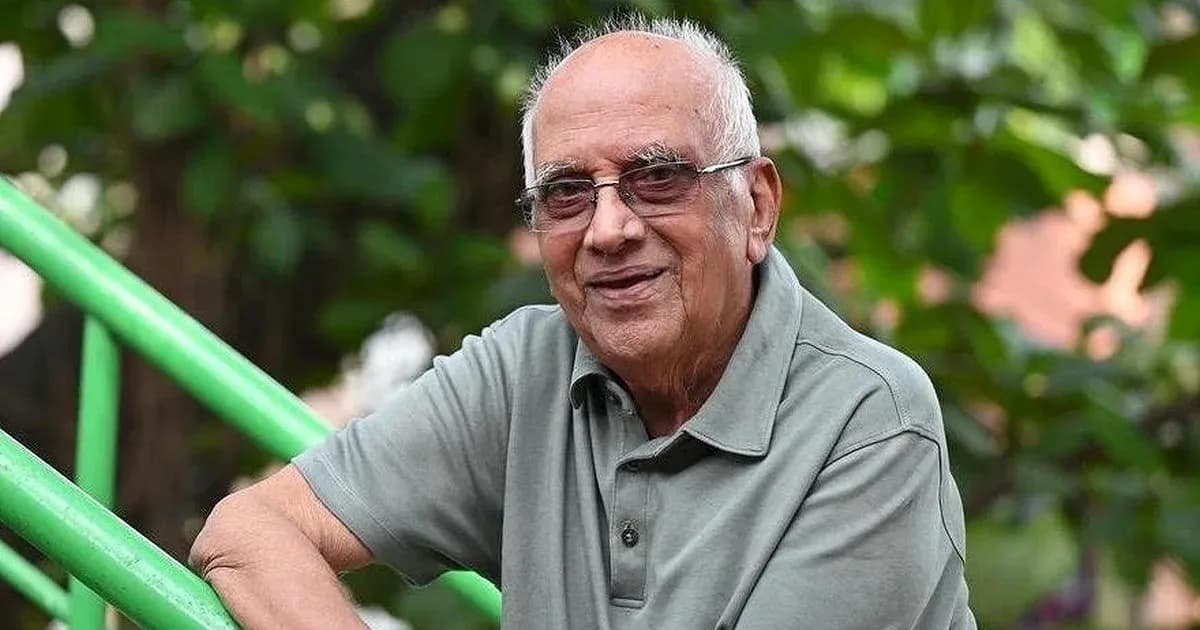
95-year-old filmmaker Singitham Srinivasa Rao has passed away in Chennai, marking the end of a career that spanned over five decades and crossed linguistic boundaries. The legendary director, who worked across Telugu, Tamil, and Malayalam cinema, died due to complications from age-related health decline after being admitted to a private hospital in the city.
His final film, Singkitham, released just months before his death, was a quiet act of defiance against retirement — a project he directed at an age when most would have stepped back. The film, which featured Nivedha Bhethuraj in a lead role, received only moderate audience response, but it was the sheer determination behind its creation that left the industry stunned.
He had been active on set until shortly before his passing, a rare example of sustained creative energy in advanced age. Srinivasa Rao began his journey in 1972 with a Telugu debut, later attempting a foray into Tamil cinema with Thikkathu Parvathi. That film did not achieve commercial success, prompting him to return to Telugu projects where he found steady work.


Be the first to comment
Join the argument. No password, just your email or a passkey.