David Ellison’s $111 billion Skydance merger closes — but the real test begins now: cutting thousands, keeping promises, and surviving the fallout from a deal that was never just about movies.
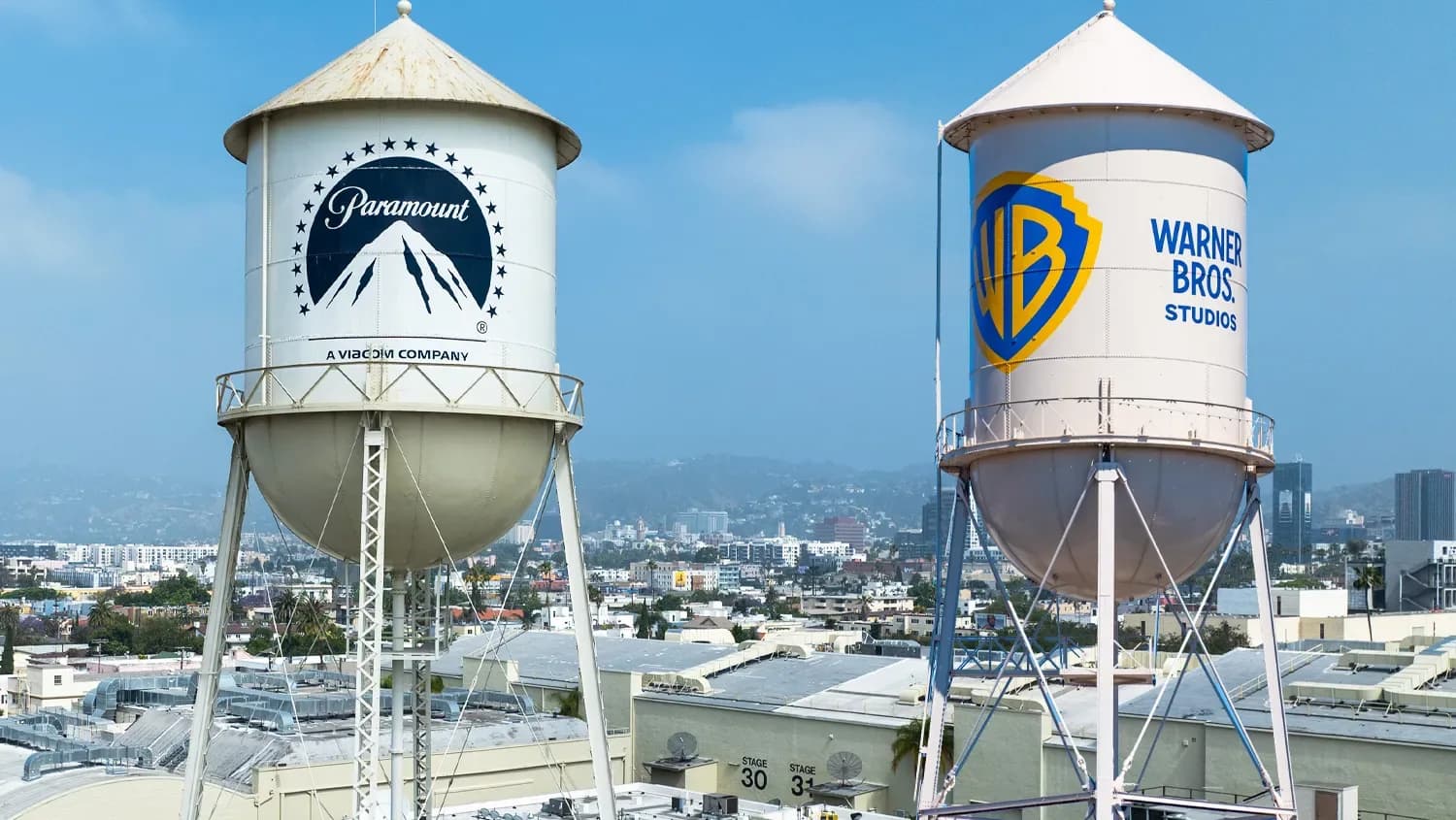
The $111 billion merger between Paramount and Warner Bros. Discovery has officially closed, marking the birth of Skydance Corp., a new media behemoth led by 43-year-old David Ellison. Shares in the combined company began trading Tuesday on the New York Stock Exchange under the ticker symbol SKYD. The deal, which includes the assumption of $80 billion in net debt, unites two legacy studios with vast portfolios: Paramount Pictures, Warner Bros., HBO and HBO Max, along with networks like CBS, CNN, Comedy Central, MTV, Nickelodeon, Cartoon Network, Food Network, BET, HGTV, TNT Sports, and Pluto TV.
It also brings together franchises ranging from Harry Potter and DC to Game of Thrones and SpongeBob SquarePants. The new entity will merge Paramount+ and HBO Max into a single direct-to-consumer streaming service over time. Ellison, who rose to prominence after his Skydance Media acquired Paramount Global in 2025, declared the moment ‘a historic day, not just for Skydance but for our entire industry.’ He emphasized the ambition to create a stronger competitor with global reach, talent, and resources across every platform.
The company’s strategy hinges on achieving over $6 billion in run-rate synergies within three years, primarily through technology integration, procurement, marketing efficiency, real estate rationalization, and operational streamlining. But the path to that goal is paved with cuts. Thousands of employees from both former companies are expected to be laid off in the coming months.
The merger was not without resistance. A year-long battle followed an unsolicited bid from Paramount, rebuffed multiple times before a final agreement. Netflix had once offered to acquire WBD’s streaming and studio assets, but that proposal collapsed when Paramount sweetened its offer to buy the entire company. Regulatory hurdles loomed large: 12 Democratic attorneys general sued to block the deal on antitrust grounds, joined by the Writers Guild of America.
Critics, including Mark Ruffalo, voiced concerns about consolidation in media. The legal challenges were resolved through a settlement requiring behavioral remedies — not structural divestitures, including a commitment to release at least 30 films annually in theaters, invest $1.5 billion in domestic production over five years, and negotiate pay-TV distribution deals as if the companies remained separate.
An independent editorial oversight board must be established to monitor operations at CNN and CBS News. Failure to comply could result in penalties up to $30 million per missed film or forced divestitures of key assets like BET, Comedy Central, VH1, Smithsonian, Destination America, Science Channel, and Miramax. A separate resolution with the WGA includes a five-year pause on layoffs at CBS and a $17.5 million contribution to a health fund.
Additional commitments were made in the U.K. And Europe, including ending the stake in United International Pictures, maintaining editorial independence for news and children’s programming, and increasing funding for Channel 5. The transaction was funded with $47 billion in equity from Larry Ellison, RedBird Capital Partners, LionTree, and sovereign wealth funds from Saudi Arabia, Qatar, and Abu Dhabi, priced at $12 per share.
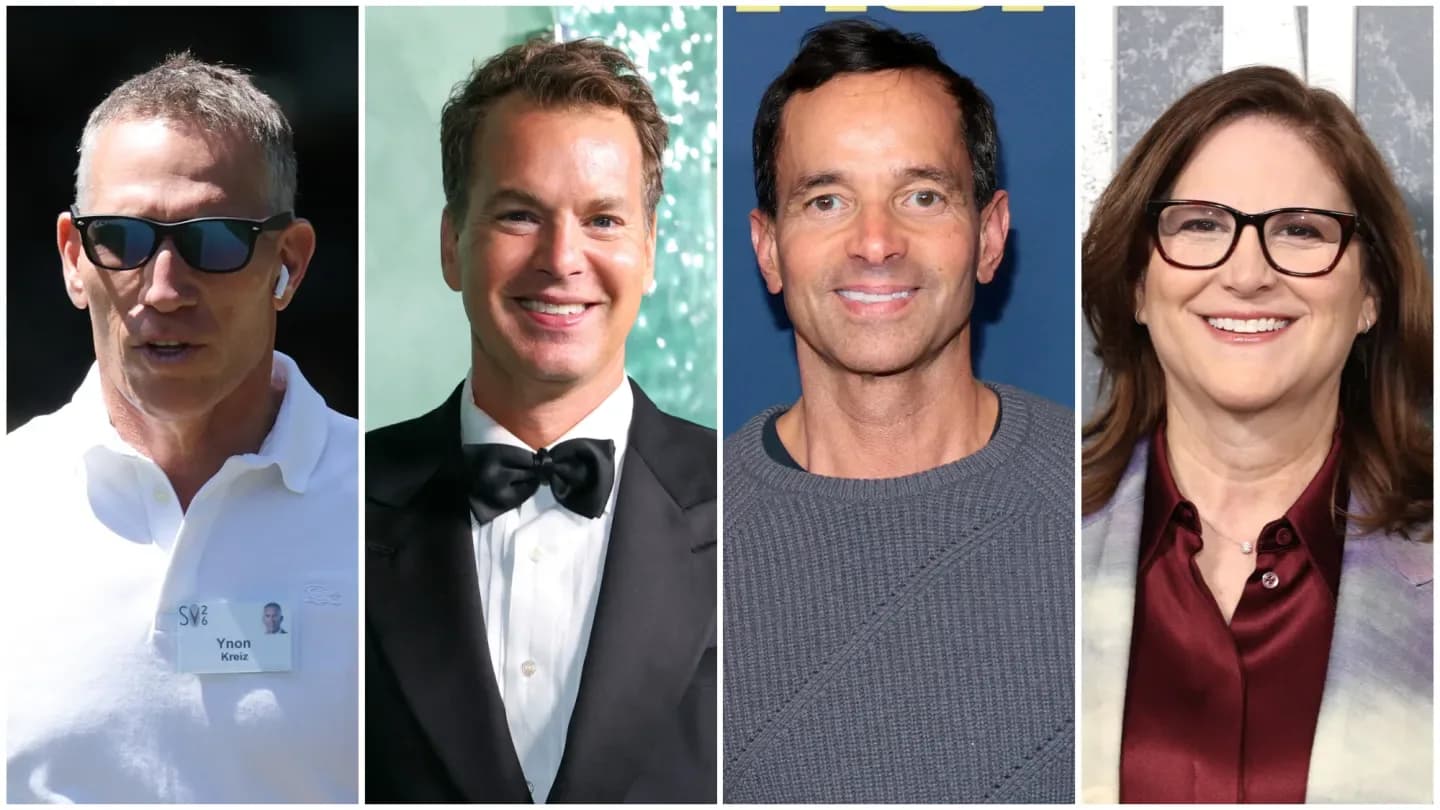
Debt financing came from Bank of America, Citigroup, and Apollo Global Management. Ynon Kreiz, former Mattel CEO, has been named co-CEO. The company now operates in three segments: Studios, Direct-to-Consumer, and TV Media. Its future rests on balancing massive debt, creative ambitions, and regulatory scrutiny.
All while cutting jobs to meet financial targets.
Be the first to comment
Join the argument. No password, just your email or a passkey.