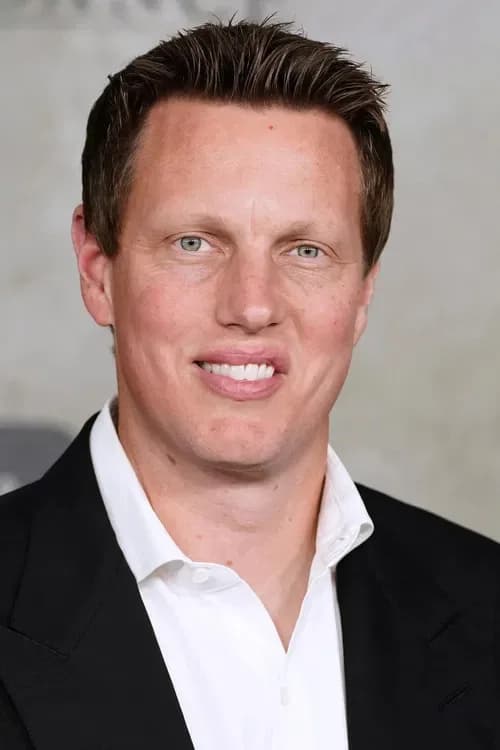
Skydance Corp. Officially launches Tuesday, Oct. 6 — not with a film, but with a stock ticker: SKYD. The new Hollywood behemoth, born from the $111 billion merger of Paramount Skydance and Warner Bros. Discovery, is now trading on the New York Stock Exchange. David Ellison, 43, steps into the role of chairman and CEO, flanked by co-CEO Ynon Kreiz, the former Mattel chief who joins after a high-profile exit from the toy giant’s board. The company’s debut comes amid a storm of scrutiny, debt, and creative upheaval. It carries an estimated $80 billion in net debt, more than any studio in history. And operates under a consent decree that mandates $300 million in annual U.S. Production spending, 30 theatrical films a year (rising to 32 in the final three years), and oversight of CNN and CBS News. That’s not just a merger. It’s a structural reset for an industry already reeling from AI disruption, shrinking ad revenue, and a wave of layoffs. Ellison’s promise of a ‘creative-first home’ sounds bold. But the real test begins now. The first major shake-up came fast: Michael De Luca and Pamela Abdy, heads of Warner Bros. Motion Picture Group, were quietly replaced. Their exits weren’t announced in a press release, they learned about it in the news. One source close to Abdy said she told Ellison, bitterly: “Good luck to you. I left you 39 movies.” Dana Goldberg and Josh Greenstein, previously co-chairs of Paramount Pictures, will now lead both studios. That’s a lot of legacy to inherit. And yet, the pressure isn’t just internal. The deal faced opposition from labor groups, media watchdogs, and even some Hollywood creatives. Critics worry about consolidation of power. Especially given Larry Ellison’s stake in U.S. TikTok and his influence over CNN and CBS News. There are fears of retaliation against critics. The new leadership team includes George Cheeks at Skydance TV, Mark Thompson running CNN, and Casey Bloys as co-chair of streaming. JB Perrette, ex-WBD global streaming head, takes dual roles. Kreiz, known for turning Mattel into a content engine, is expected to cut costs aggressively. The question isn’t whether the company can exist. It already has. The real challenge? Whether it can make something worth watching. With 30 films a year to deliver, a fractured market, and AI reshaping every stage of production, Ellison’s next move won’t be a trailer drop or a premiere. It’ll be a decision on what gets greenlit, and who gets to make it. The clock starts ticking Tuesday morning. The first film might not arrive until 2027. But the pressure is already here.
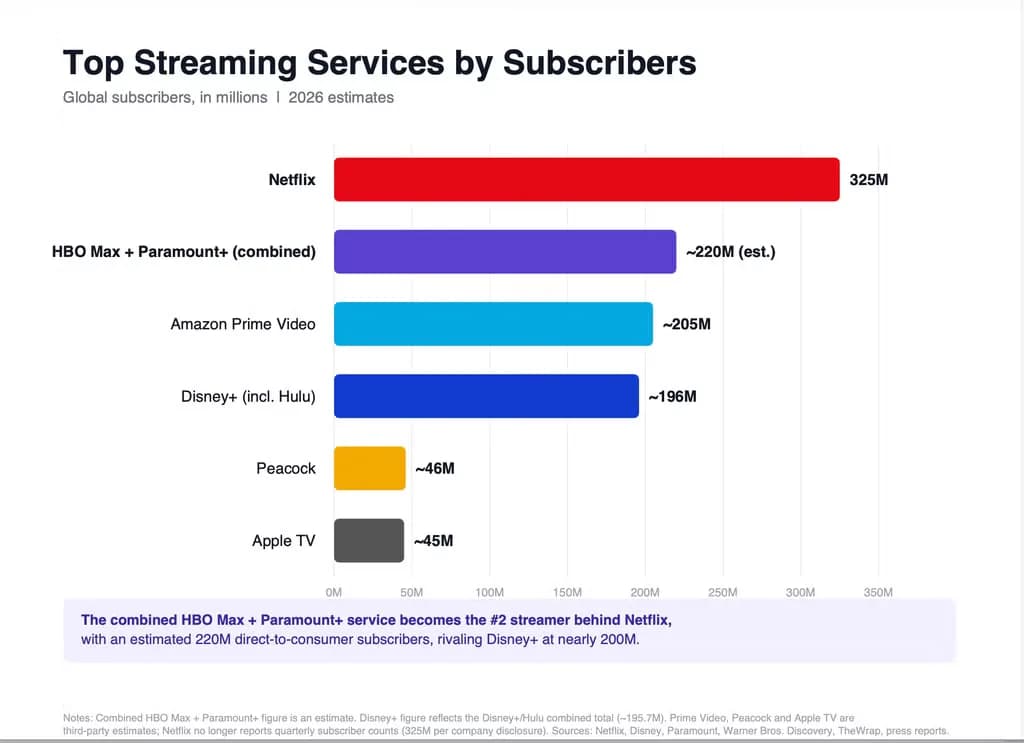 Photo via TheWrap
Skydance Launches With $80B Debt, Creative Chaos, and a Consent Decree
Skydance Corp. goes public Tuesday with $80B in debt, a new leadership team, and a mandate to produce 30 films a year — all while facing fierce scrutiny over jobs, control of news, and creative direction.
In this story
Live site hype
around 9 reading right now · 1.3k today
Reported from
- TheWrap — Skydance Signals a New Dawn for Hollywood. Will David Ellison Be Up to the Task?
- Variety — David Ellison Names Skydance Corp.’s New Leadership Team for Movies, TV, Streaming and More
This article was written by the CutMirchi desk from the reporting above. Facts are attributed to their original publishers.
Read next
Skydance Is Official. The Merger Closes Tomorrow.
The merger of Paramount and Warner Bros. Discovery officially closes on Oct. 6, rebranding as Skydance Corp. under David Ellison’s leadership. After months of legal battles, threats to leave California, and a last-minute court approval, the new entity will operate under the ticker SKYD.
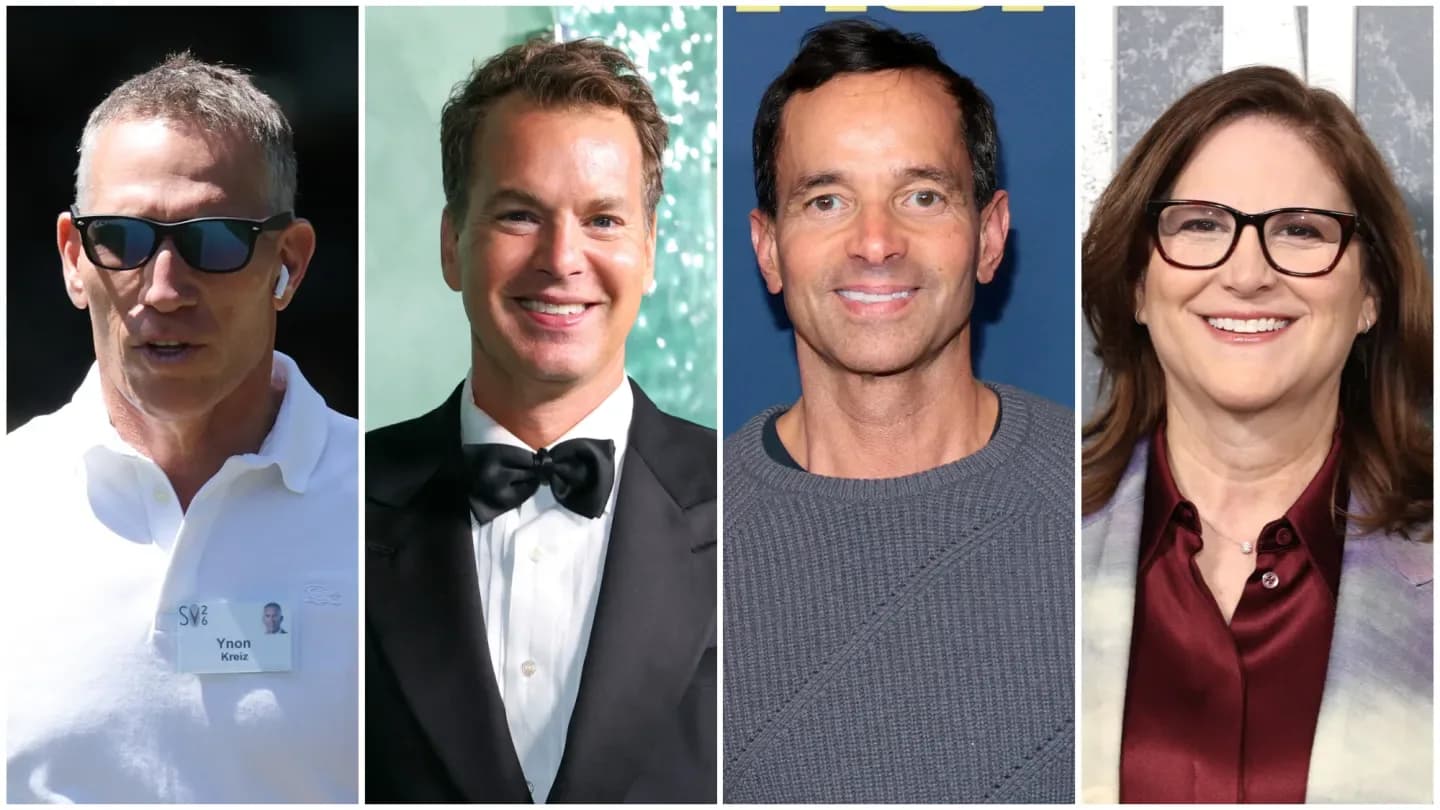
Skydance’s New Hollywood Begins: The Leadership Is Set, The Pressure Is On
David Ellison has unveiled the executives who will run the newly merged Paramount-Warner Bros. Discovery empire. Casey Bloys heads streaming, Josh Greenstein and Dana Goldberg lead film, George Cheeks oversees TV, and Mark Thompson stays at CNN. James Gunn and Peter Safran remain at DC Studios. The company launches Tuesday.
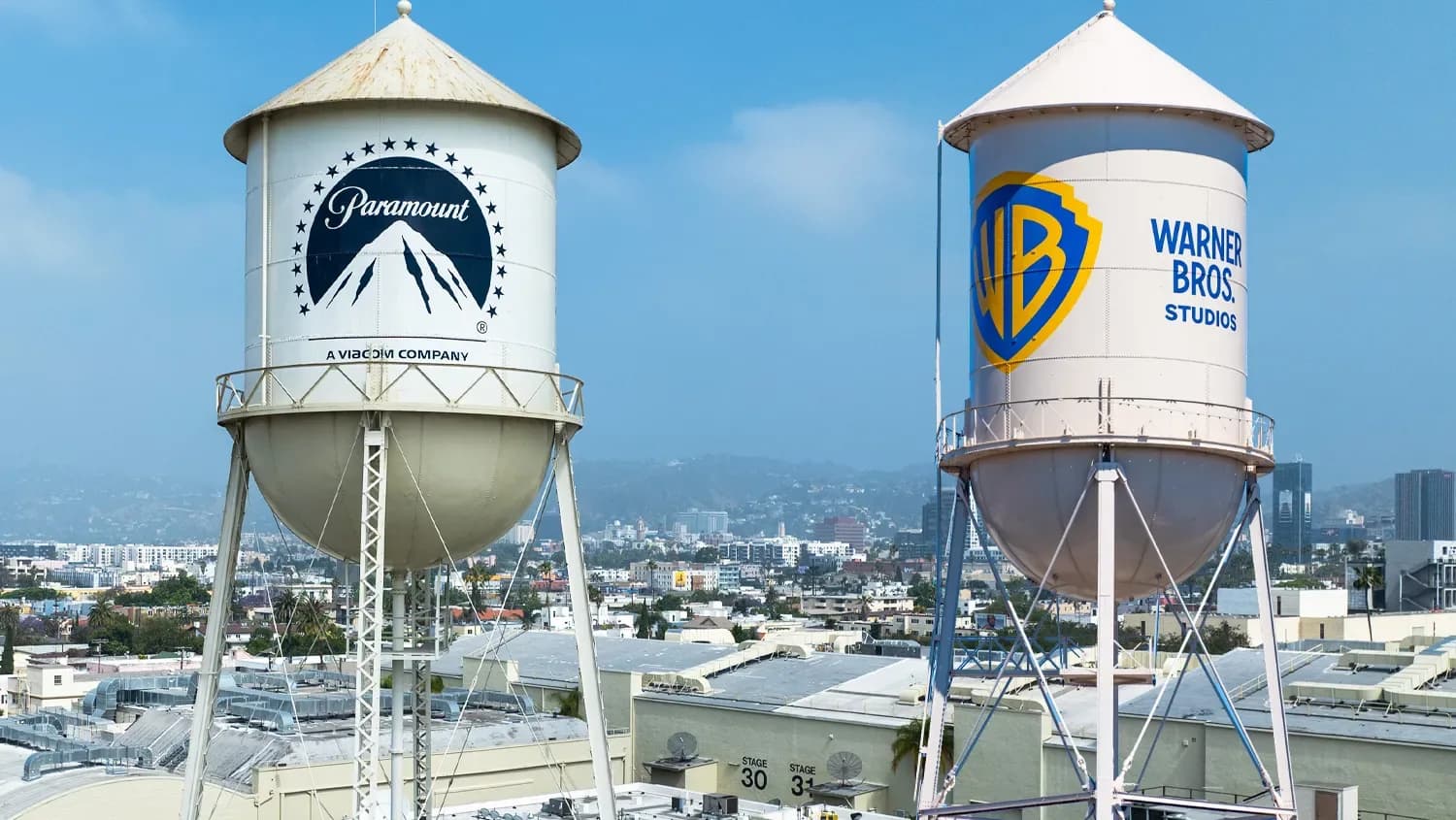
Skydance’s Leadership Is Set. The Old Hollywood Is Dead.
The $110 billion Paramount-Warner Bros. Discovery merger is closing. Skydance has named its executive team — and it’s not what anyone expected. Casey Bloys is moving into a top role at the new DTC arm. Michael De Luca and Pamela Abdy are leaving. James Gunn stays at DC. The future of HBO Max and Paramount+? Still unclear. But the direction is set.
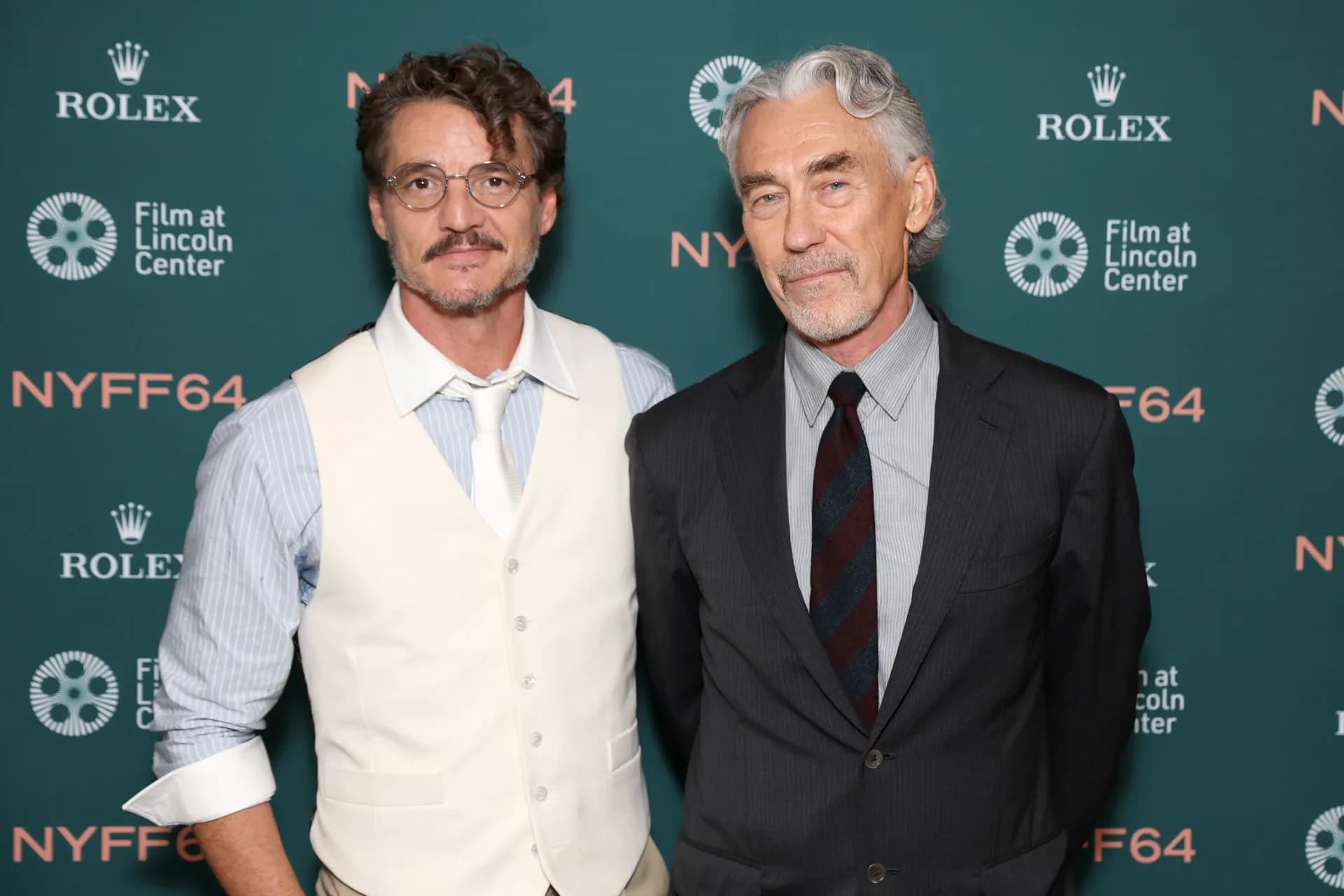
Gilroy Calls Merger 'Tragic' as Skydance Nears Closing on Paramount-WB Deal
Tony Gilroy called the Paramount-Warner Bros. merger a ‘tragic’ dismantling of Hollywood’s mid-budget soul — and he said it in front of a packed house at the New York Film Festival.
Be the first to comment
Join the argument. No password, just your email or a passkey.