South Asian filmmakers are converging on Seattle this October for the third Tasveer Film Market — and this time, they’re not just pitching dreams. They’re chasing $150,000 in grants, mentorship, and a real shot at global distribution. The event, running from October 13 to 18 alongside the 21st Tasveer Film Festival, is shaping up to be the most ambitious yet. Twelve late-stage feature projects, both fiction and documentary. Have been selected for the Market Selects strand. Nine short films made the cut for the Netflix-backed Tasveer Film Fund Pitch, where four will walk away with $35,000 each. Two more features will snag $5,000 apiece from a separate jury. All pitches happen live at the newly minted Tasveer Film Center, housed in the former Ark Lodge Cinema in Columbia City. That’s not just a venue. It’s a statement. Since acquiring the space in 2025, Tasveer has turned it into a year-round hub for international cinema and filmmaker development. This year, they’re doubling down with Tasveer EDU, a series of sessions on financing, casting, rights, and distribution that run all year. No festival weekend closure. The table’s staying set. Industry heavyweights are showing up: Aamir Khan Pictures, Netflix, EST Studios, Wieden+Kennedy, Buffalo 8, Zero Gravity Management. Even Greg Laemmle of Laemmle Theaters and producer Lucas Ford are part of a panel on audience reach. Apoorva Bakshi, whose “Delhi Crime” won an International Emmy, will lead a masterclass. The list of selected projects reads like a manifesto: from Nadeem Uddin and James Longley’s Baraat: The Wedding Horse (a documentary about a horse in a wedding procession) to Kovid Gupta’s Ladki Waale, Vibha Gulati’s Paar Channa De, and Anu Valia’s Mother Tongue. There’s also Unlisted, by Bibhanshu Rai. Rainbow, Sumi Baghel’s exploration of identity. And Very Intelligent Aunties, Sameer Arshad’s take on female kinship. The goal? To build a pipeline. Not just for one film, but for a generation. As founder Rita Meher put it: ‘We set out to build a table our community never had.’ Now, it’s full. And it’s open. What happens next? The first decisions come after the pitches. Then, the real work begins. Turning grants into films, ideas into screens. The clock’s ticking. But the table’s still set.
 Photo via Variety
Tasveer Film Market Opens Its Doors to South Asian Filmmakers With $150K in Grants
South Asian filmmakers are chasing $150k in grants at Seattle's Tasveer Film Market — with Netflix, Aamir Khan Pictures, and industry mentors in the room.
Live site hype
around 2 reading right now · 121 today
Reported from
This article was written by the CutMirchi desk from the reporting above. Facts are attributed to their original publishers.
Read next

Haunted Hotel Season 2 Review: Netflix’s Animated Horror Comedy Is Surprisingly Tender
Haunted Hotel Season 2 proves that the scariest thing isn’t a ghost. It’s loving someone who can’t be found.

The Accent Is the Monster: Below Streams, Cardi B Drops GTA VI Track, and a Western With Jones & McDonough Hits Theaters
Netflix’s Below is streaming, and the island accent is the real star. Not the squid. Not the father’s ghost. The accent. Josh Hartnett, once a Razzie nominee for Pearl Harbor, has returned to form as Calvin Penney, a fisherman in a Newfoundland town where the sea holds secrets and the locals speak like they’ve been shaped by wind and salt.
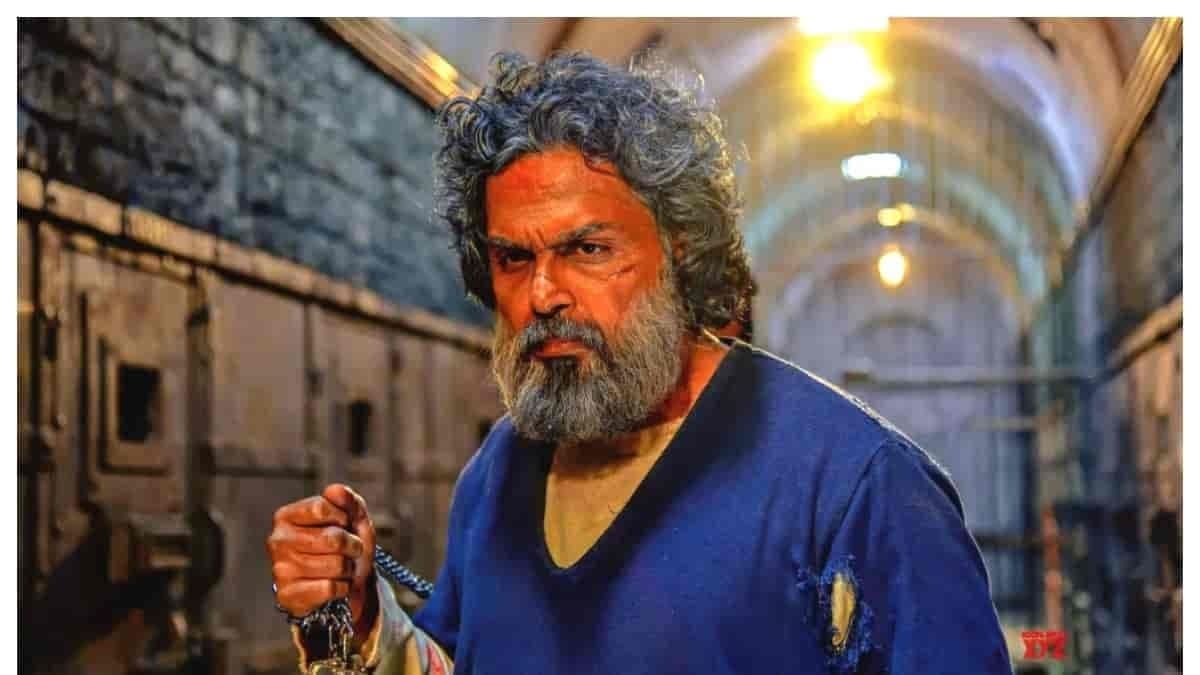
Streaming windows for Indian films are shrinking, but the picture is uneven
CutMirchi's coverage shows theatrical-to-streaming gaps compressing to weeks for some big films, even as mid-budget movies struggle to close OTT deals at all.
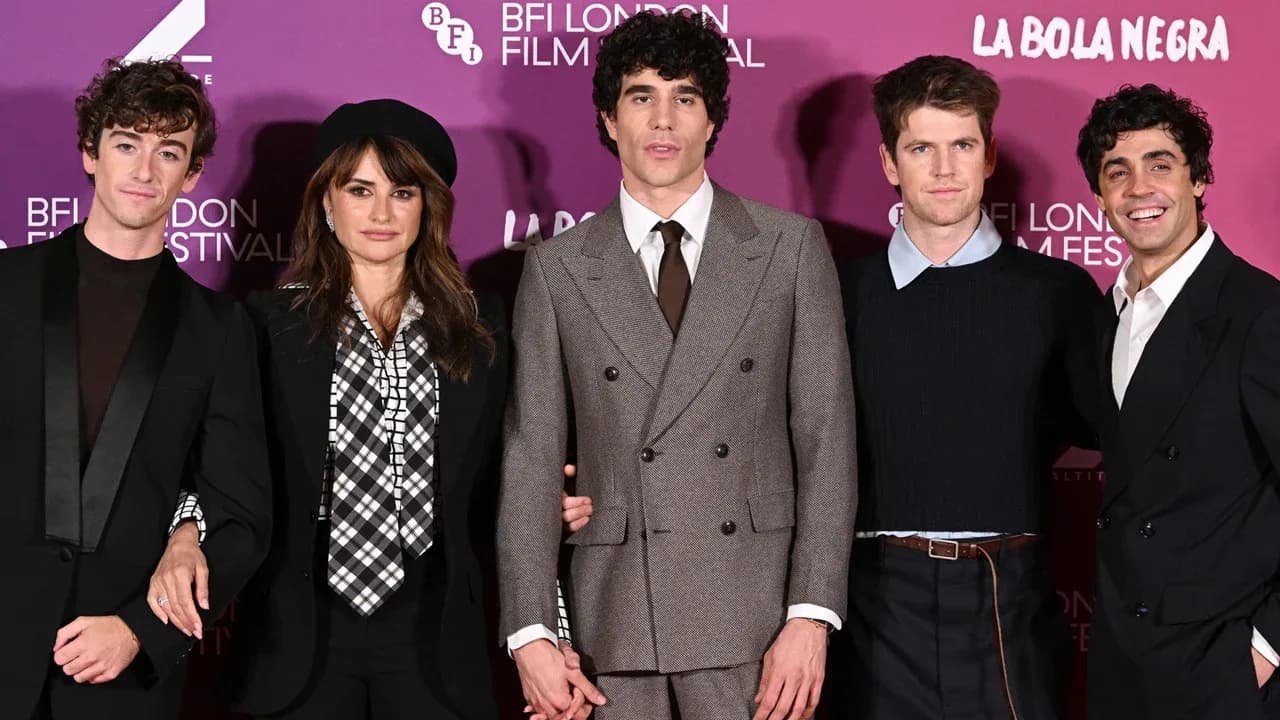
La Bola Negra On Netflix: December 2 Release, Oscar Hopes, And A Record-Breaking Theatrical Run
La Bola Negra lands on Netflix on December 2 after a Cannes-winning run and a London red carpet. The film, already Spain’s Oscar entry, has critics raving and Kalshi betting on a Best Picture showdown with The Odyssey. Its 45-day U.S. theatrical window is unprecedented for Netflix.
Be the first to comment
Join the argument. No password, just your email or a passkey.