
Pressure, the WWII drama starring Brendan Fraser and Andrew Scott, has quietly become one of 2026’s most enduring films — not on screens, but in homes. Sixty days after its VOD debut on Prime Video, it remains a top-10 title across streaming platforms, defying expectations set by its modest $29 million theatrical run. The film, based on David Haig’s stage play and directed by Anthony Maras, follows General Eisenhower and Captain Stagg in the 72 hours before D-Day, where a single weather forecast could mean victory or catastrophe. It earned an 89% critic score and a near-perfect 95% from audiences on Rotten Tomatoes, a rare double for a war film that didn’t open with a blockbuster bang. While Spider-Man: Brand New Day and Christopher Nolan’s The Odyssey dominated box offices, Pressure found its audience in the quiet hours of late-night viewing. Its presence on Peacock and Prime Video isn’t just sustained. It’s dominant. No other non-franchise film this year has held such consistent traction post-theatrical release. And yet, the story behind its success remains unspoken: how do you make a movie about pressure feel like relief? The answer might lie in the performances, Fraser, in a rare dramatic turn, plays Eisenhower not as a legend, but as a man sweating through his uniform. Scott, as Stagg, is all nerves and precision, a man who calculates risk like a chess player with no time to think. Their chemistry isn’t explosive, but it’s electric in silence. Kerry Condon, Chris Messina, and Damian Lewis round out a cast that never overacts, never leans into heroism. They’re men under strain, not warriors. That restraint is what’s keeping viewers coming back. The film doesn’t ask you to cheer. It asks you to wait. To watch. To breathe. And then, when the decision comes. To hold your breath again. The next question isn’t whether it’ll stay on Prime Video. It’s whether it’ll be remembered at all. Because in a year full of noise, the quietest film might be the one that lasts longest.
 Photo via Collider
The Quiet War Film That Won Streaming
The WWII drama 'Pressure' has been on Prime Video for 60 days and still hasn't left the top 10. Not a blockbuster. Not a franchise. Just two actors, a room, and the weight of history.
In this story
Reported from
This article was written by the CutMirchi desk from the reporting above. Facts are attributed to their original publishers.
Read next
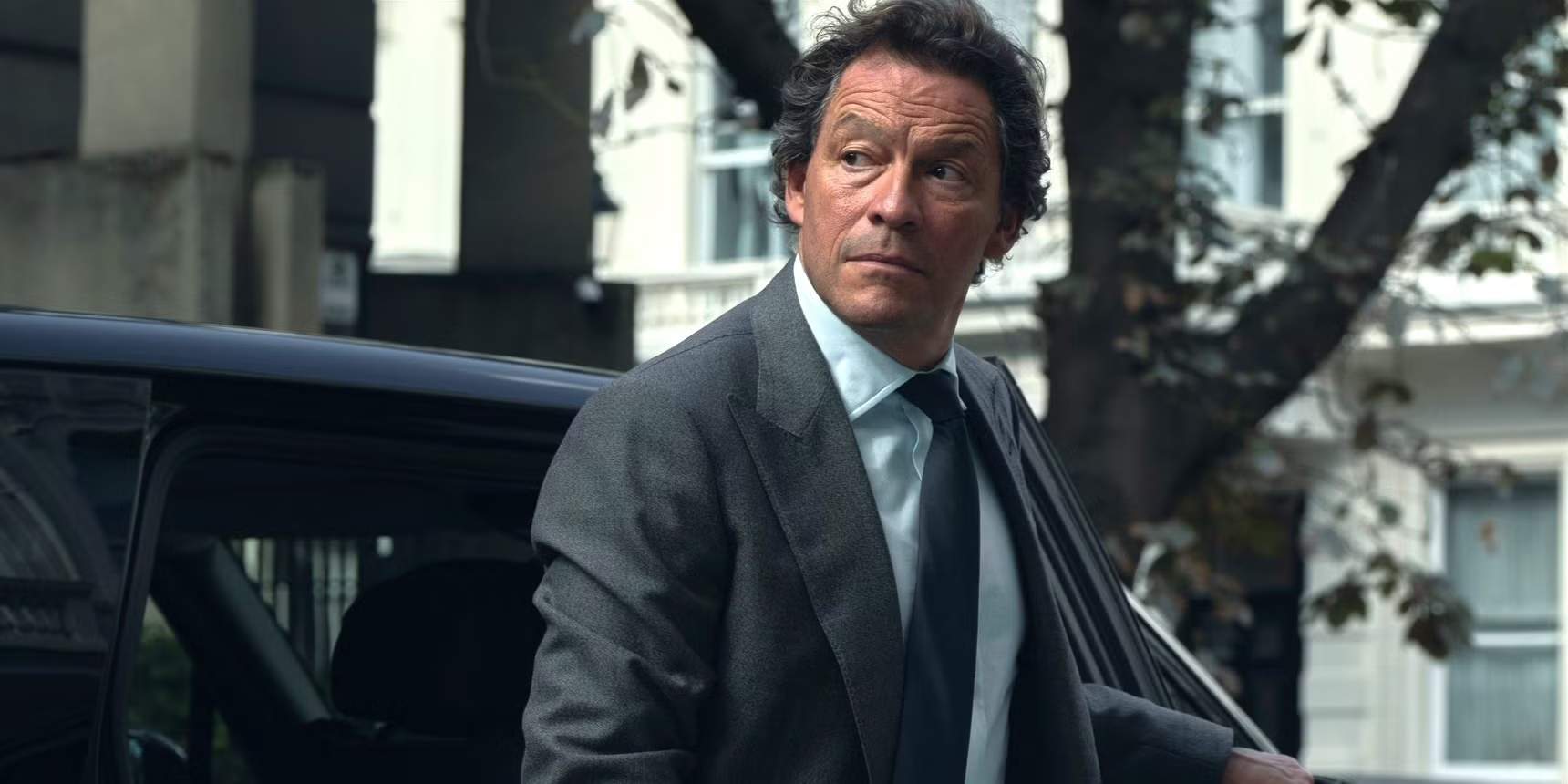
War Has Won: HBO Max’s Legal Thriller Dethrones Sci-Fi With a Single Episode
HBO Max’s new legal drama War has stormed past sci-fi dominance, with Dominic West and Sienna Miller leading a high-stakes battle of secrets, power, and love.
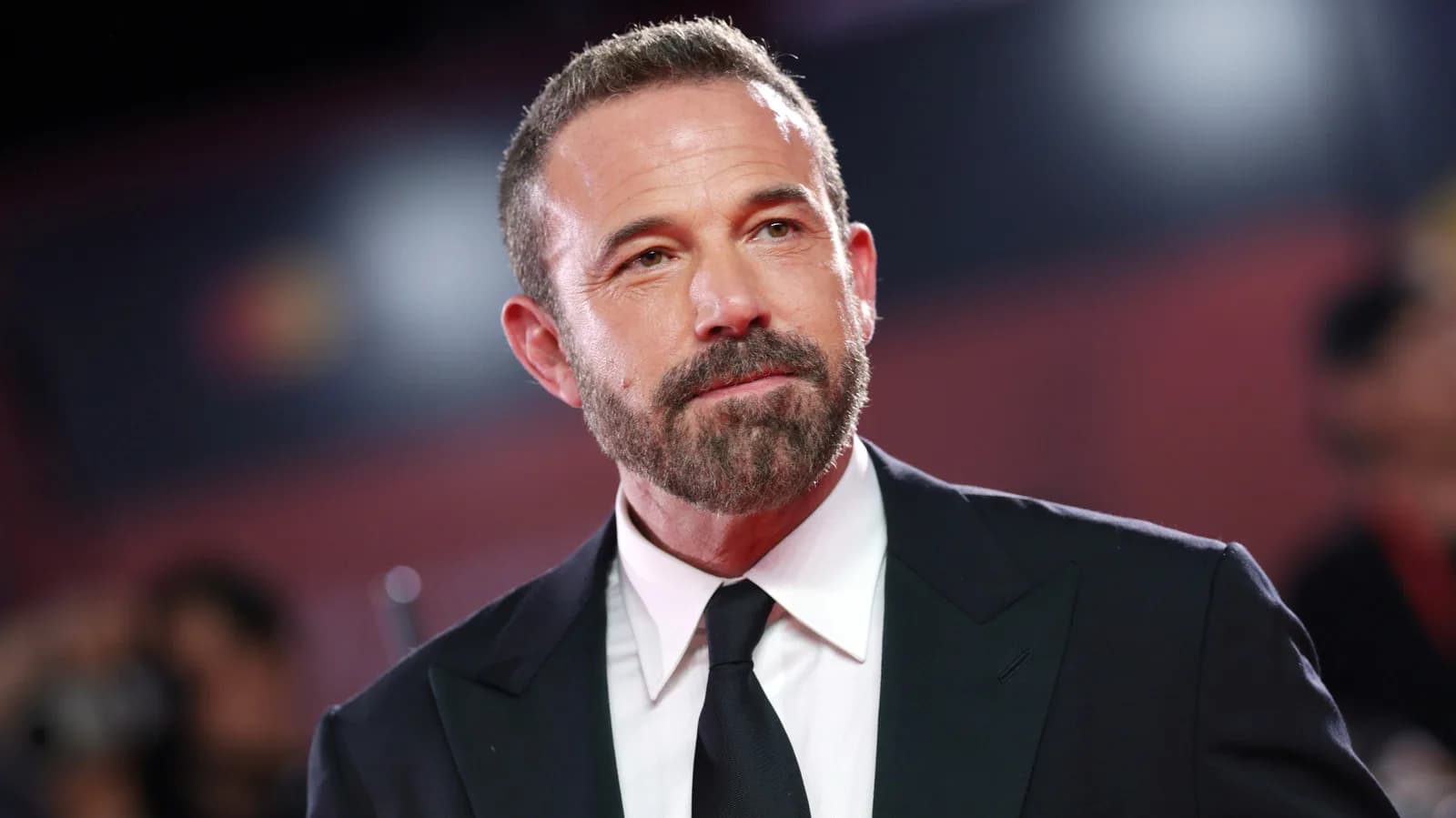
Ben Affleck’s New Movie Is a Political Thriller With a Problem
Ben Affleck’s latest directorial, Animals, has landed on Netflix — and it’s not the comeback many were hoping for.
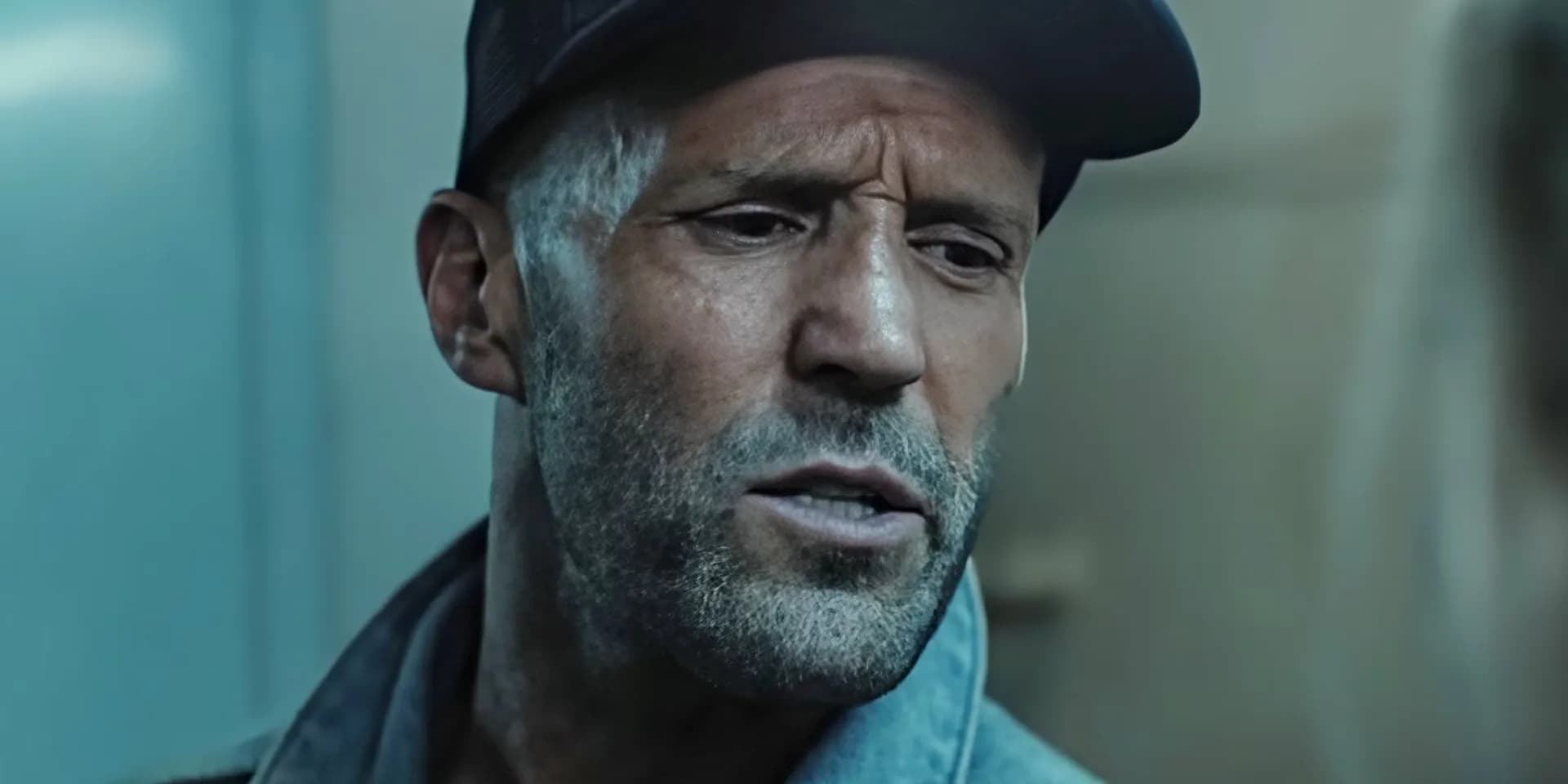
Jason Statham's Mutiny Tops Streaming Charts Post-Theatrical Drop
Jason Statham's 'Mutiny' has become one of the most-watched films on streaming despite a lackluster box office run. The movie follows a former operative framed for murder who must clear his name while fleeing across international waters.

Black Clover Returns to Top the Charts
The fantasy anime, which returned on October 3 after a long hiatus, has surged to No. 1 on FlixPatrol’s Crunchyroll Amazon Channels rankings in seven countries, including the US, UK, Spain, and Italy.
Be the first to comment
Join the argument. No password, just your email or a passkey.