
Netflix dropped Below on October 8 — and it’s already stirring conversation. Not for its sea monster, though that’s there. Not even for Josh Hartnett’s questionable Newfoundland accent. But for what the show quietly insists: some homes are too heavy to carry. The series, a six-episode limited thriller from Jesse McKeown, opens in 1986 with a child watching his father drown after a houseboat tow snaps mid-ocean. Forty years later, that same boy, now played by Hartnett. Still lives in Snook’s Arm, a dying fishing town in Newfoundland. He runs an Airbnb, hauls ice for a vodka brewery, and tries to keep his family together. His kids are back for ‘Come Home Year’. The mood is tense. The ice stinks. The water’s acting up. Then Wade, his son, has a bad trip. Then people start behaving like animals. And then the iceberg rises. Not just any iceberg. One that remembers. One that knows names. One that might be tied to the accident that broke Calvin Penney’s life. Variety called it a ‘gripping watch’, and yes, the creature is terrifying. But the real horror isn’t in the deep. It’s in the way Calvin refuses to let go. His sister Ruth, the harbor master, sees the town crumbling. His daughter Mary wants out. His son Jay is already gone. Only Calvin clings to the past like it’s a lifeline. The show doesn’t preach climate doom. It shows it. In slow, suffocating detail. A town drowning not in water, but in memory. Episode 4, ‘The Ocean Will Have Us All’, delivers the most brutal scene yet. Not of violence, but of betrayal. People sacrifice each other without blinking. And only in the penultimate episode, ‘Little Pot Rock’, do the pieces fall into place. The truth? It’s not just about monsters in the sea. It’s about how we treat the ones we love when the world starts to break. Netflix didn’t announce a second season. No word on streaming rights. But fans are already calling it a quiet masterpiece. Some say it’s the best thing they’ve seen this year. Others just want to know: what happens to Calvin next? The answer, probably, is nothing. Because sometimes, the only thing left to do is let go.
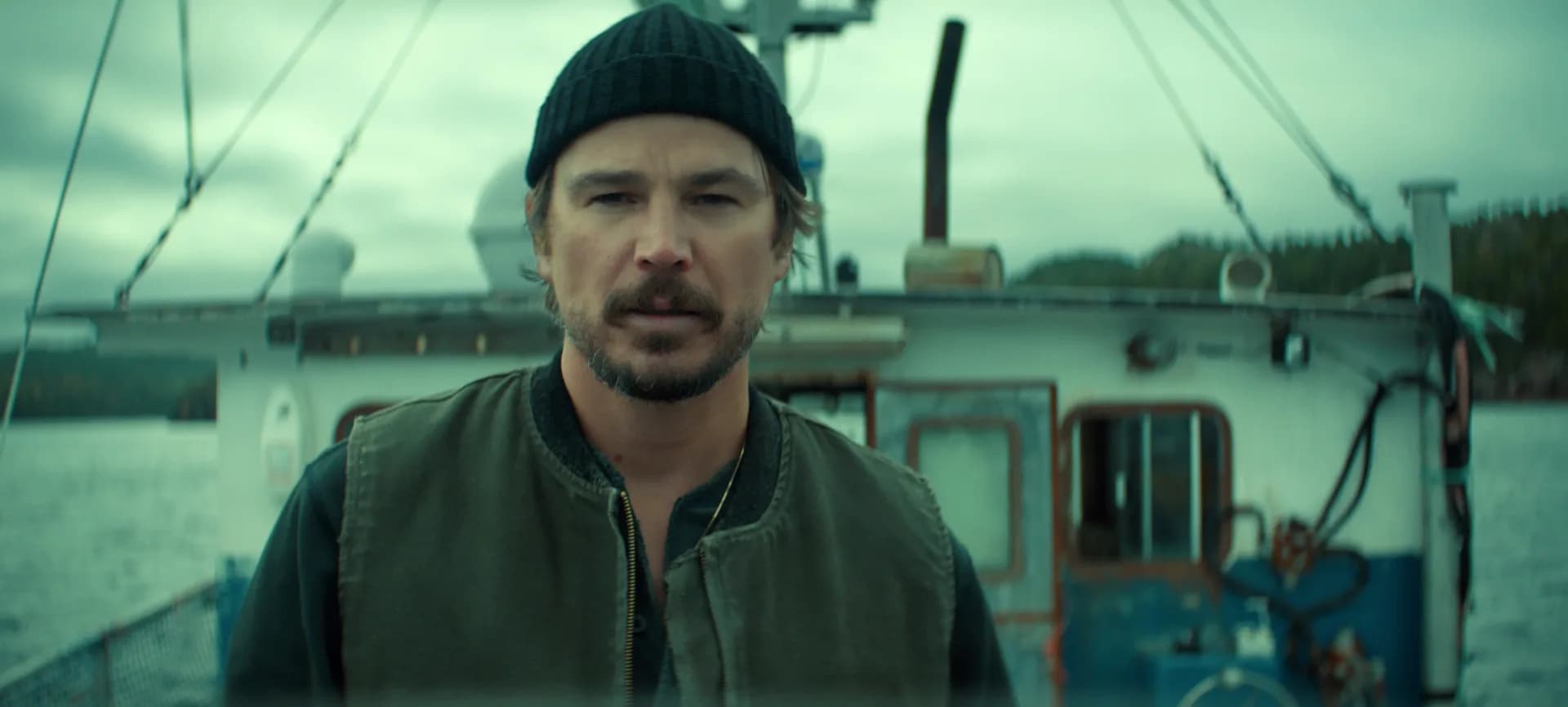 Photo via Variety
The Real Monster in Netflix’s Below Isn’t in the Water
Josh Hartnett’s new Netflix series Below isn’t about a sea monster. It’s about a man who can’t stop dragging his past behind him.
In this story
Live site hype
around 2 reading right now · 125 today
Reported from
This article was written by the CutMirchi desk from the reporting above. Facts are attributed to their original publishers.
Read next
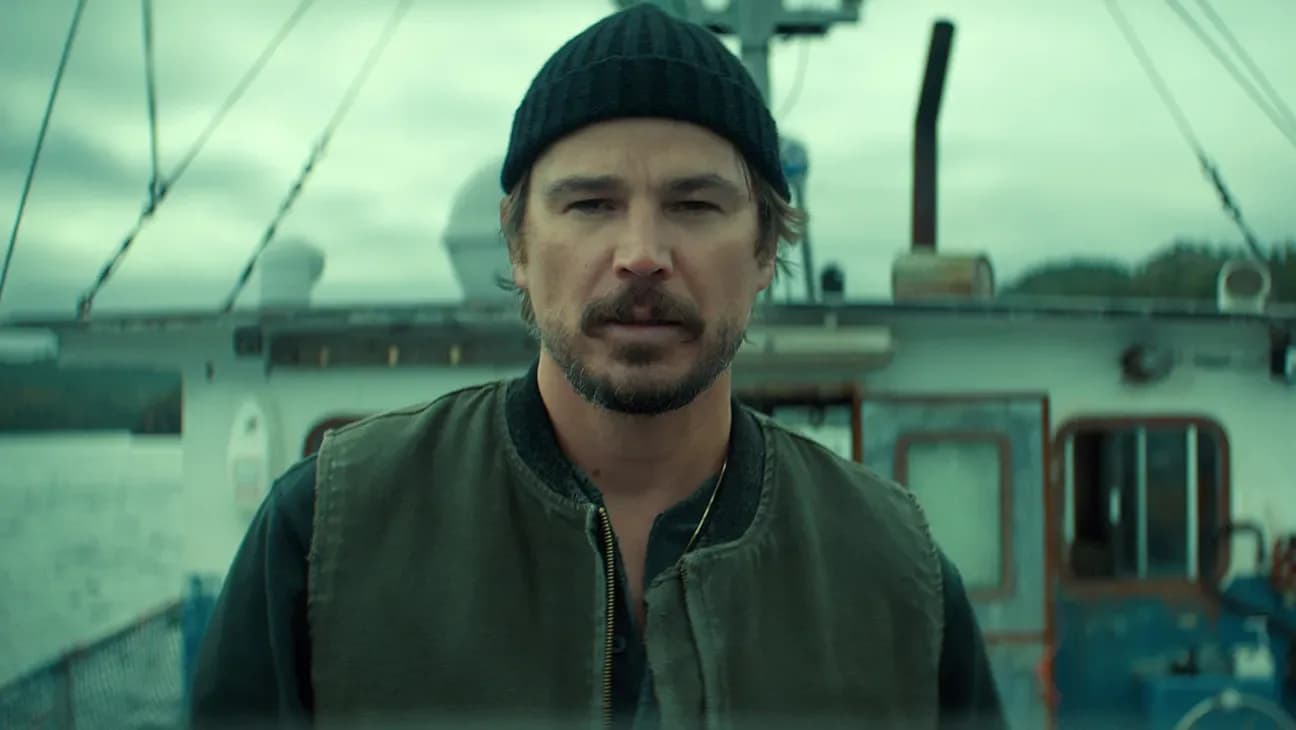
Netflix’s 'Below' Drops Today: A Floating House, a Dying Town, and a Monster in the Water
The show’s rhythm is uneven. Some episodes feel like Come From Away meets Jaws. Others drift into surreal territory — a man wakes up to find an iceberg where there was none.
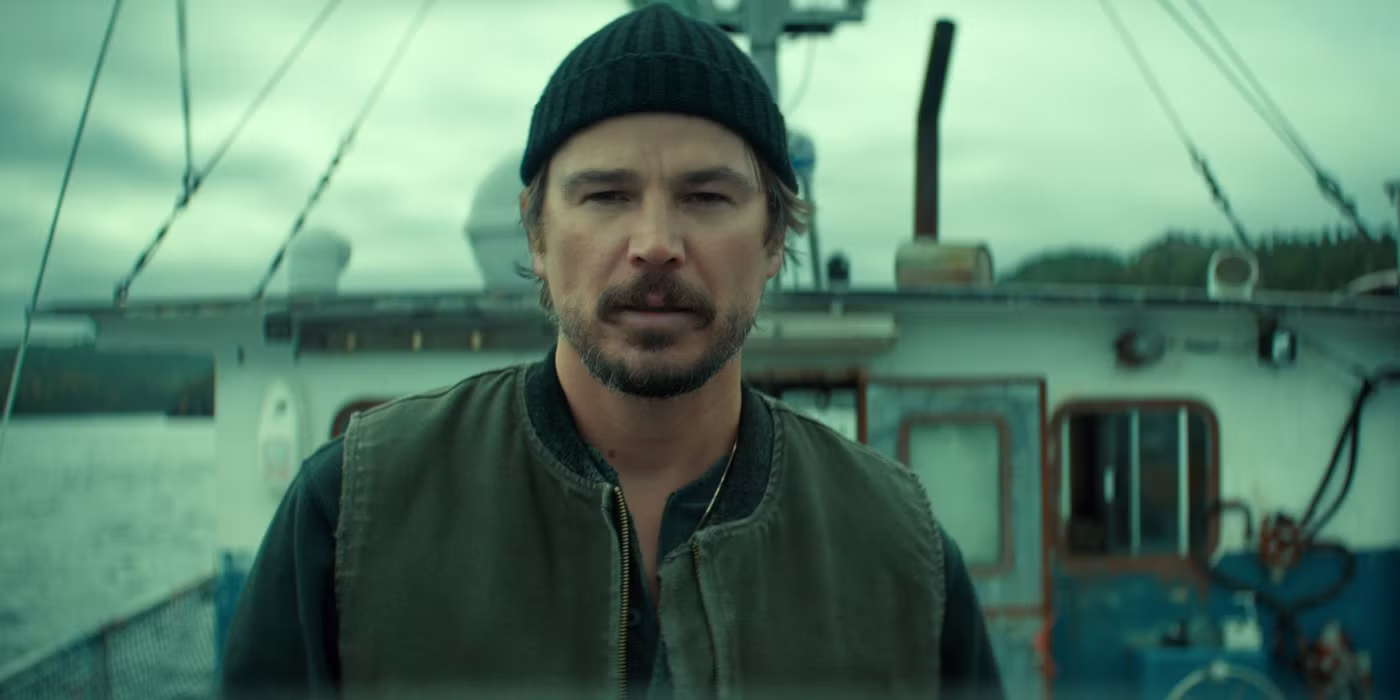
Josh Hartnett's Netflix Thriller 'Below' Drops October 8
Josh Hartnett stars in 'Below,' a new Netflix thriller set in a remote Newfoundland fishing town where a mysterious sea creature emerges amid an iceberg. The series explores family bonds, tradition, and fear beneath the surface—both literal and emotional.
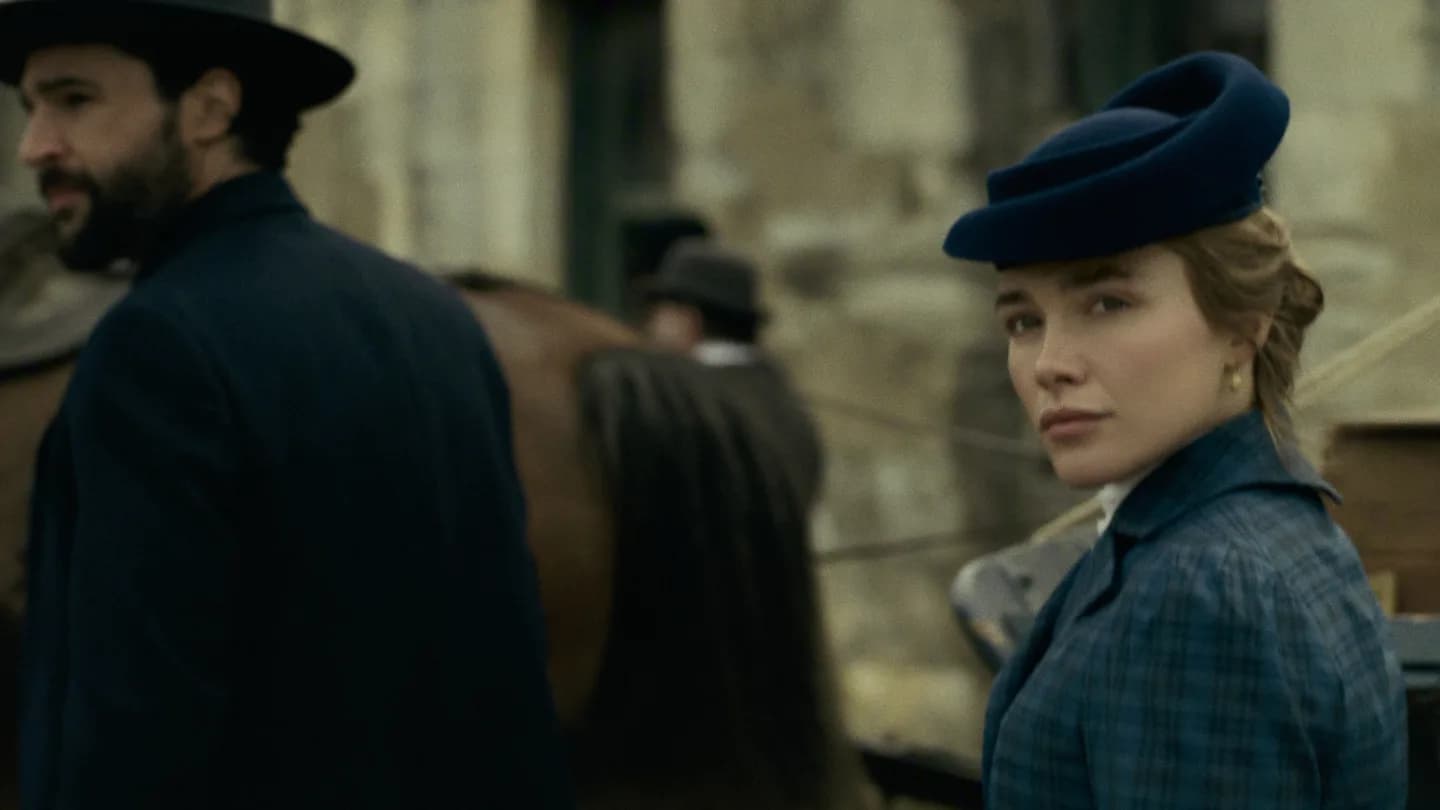
Florence Pugh Owns Cathy Ames
Pugh, who was Kazan’s only choice from day one, now stands as both lead and executive producer—a dual role that’s clearly reshaped her confidence in front of and behind the camera.

The Real Killer in Delusion Wasn’t a Ghost. It Was a Brother.
The final episode of Delusion dropped on Netflix last week, and the Thai mystery series just rewired what we thought we knew about guilt, family, and the ghosts we carry.
Be the first to comment
Join the argument. No password, just your email or a passkey.