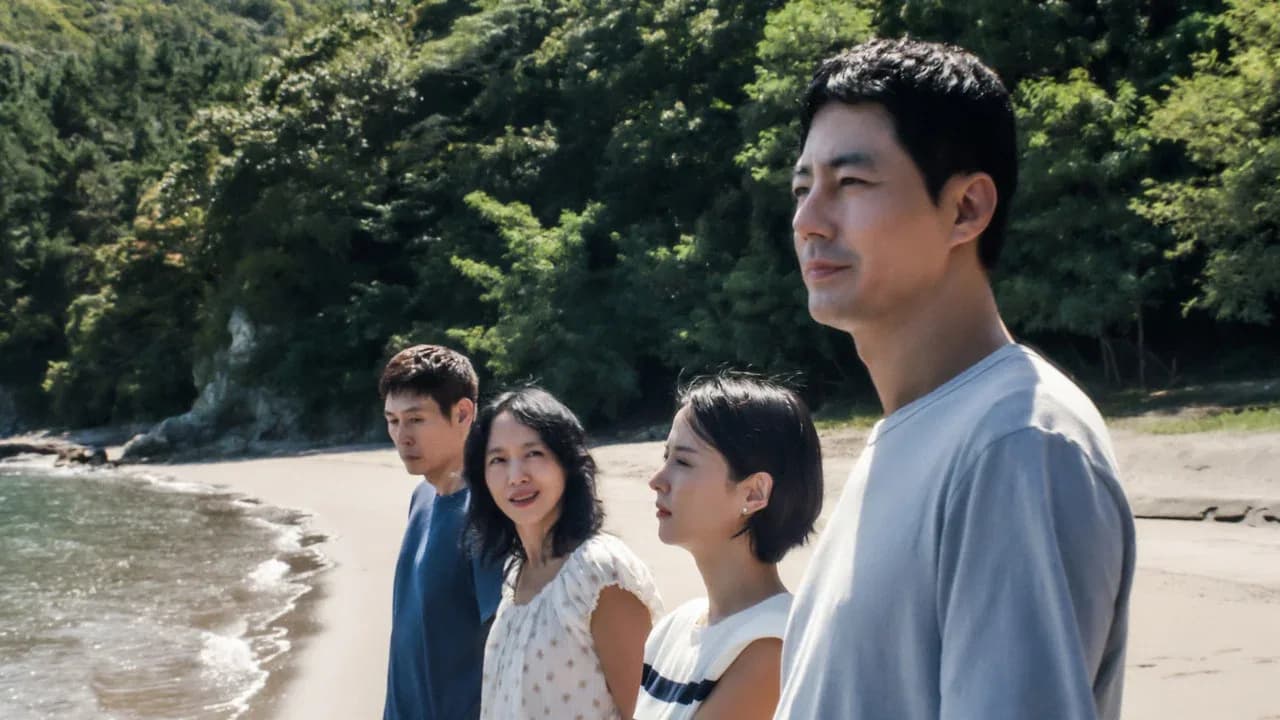
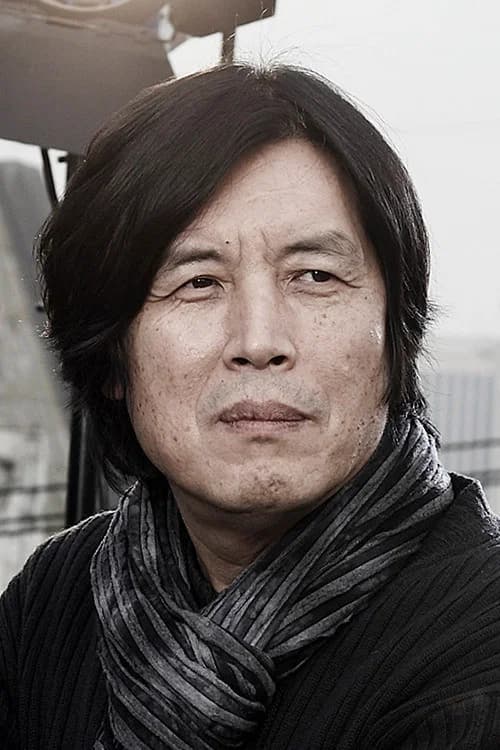

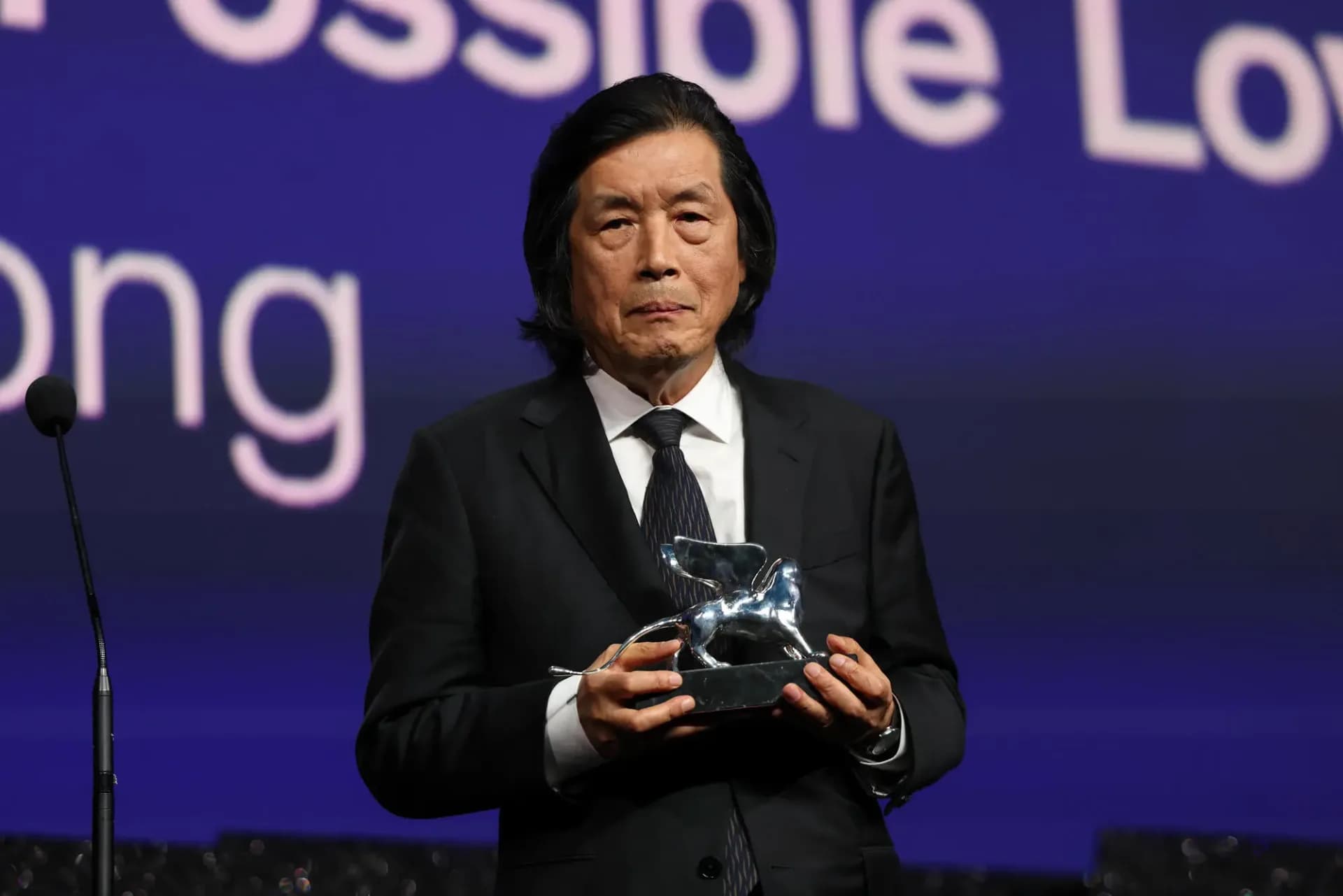
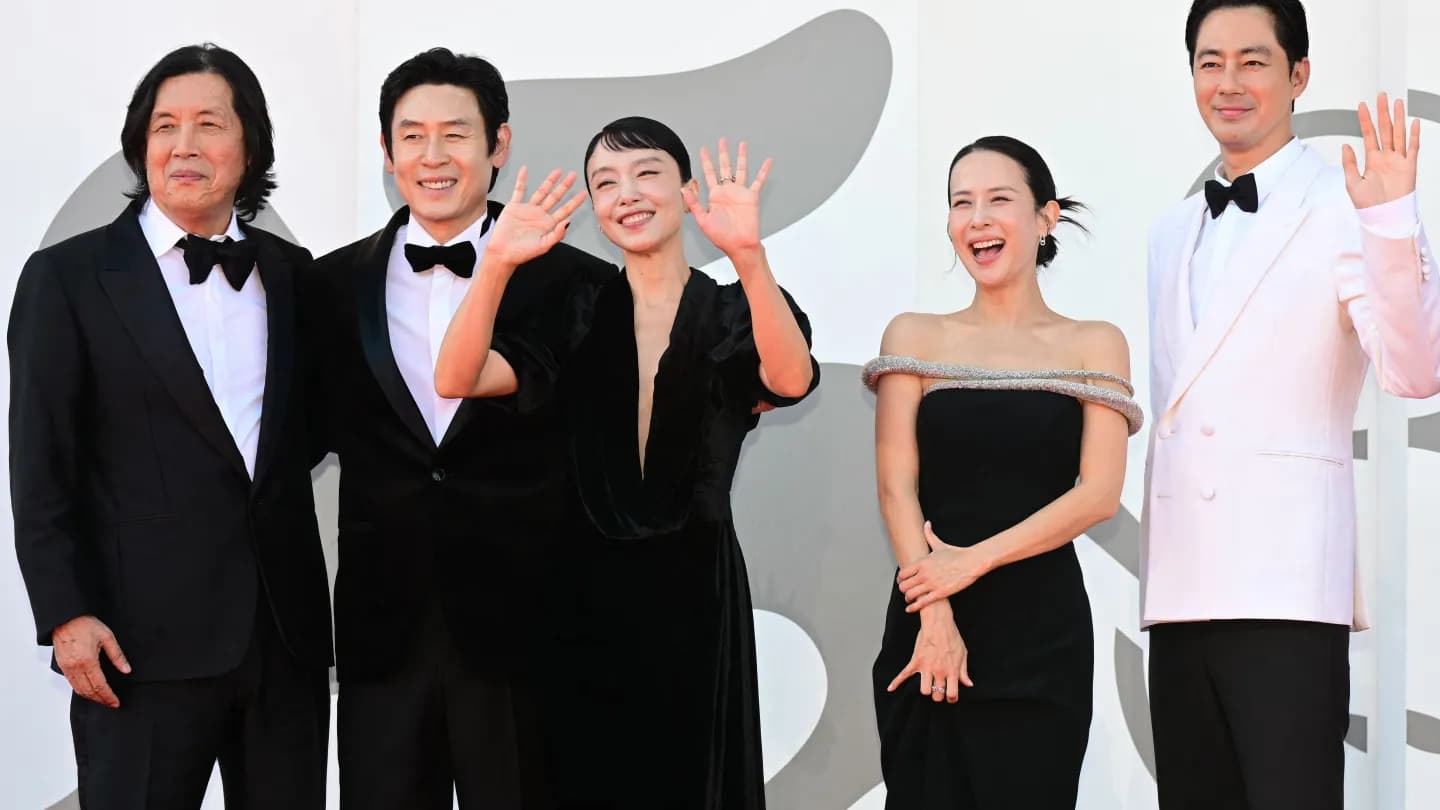
Lee Chang-dong’s return to filmmaking after an eight-year hiatus is not marked by fanfare, but by a quiet, deliberate unfolding. Netflix has released a 10-minute behind-the-scenes featurette featuring the acclaimed Korean director discussing his latest film, Possible Love, which premiered at the 2026 Venice Film Festival and went on to screen at TIFF to strong critical reception.
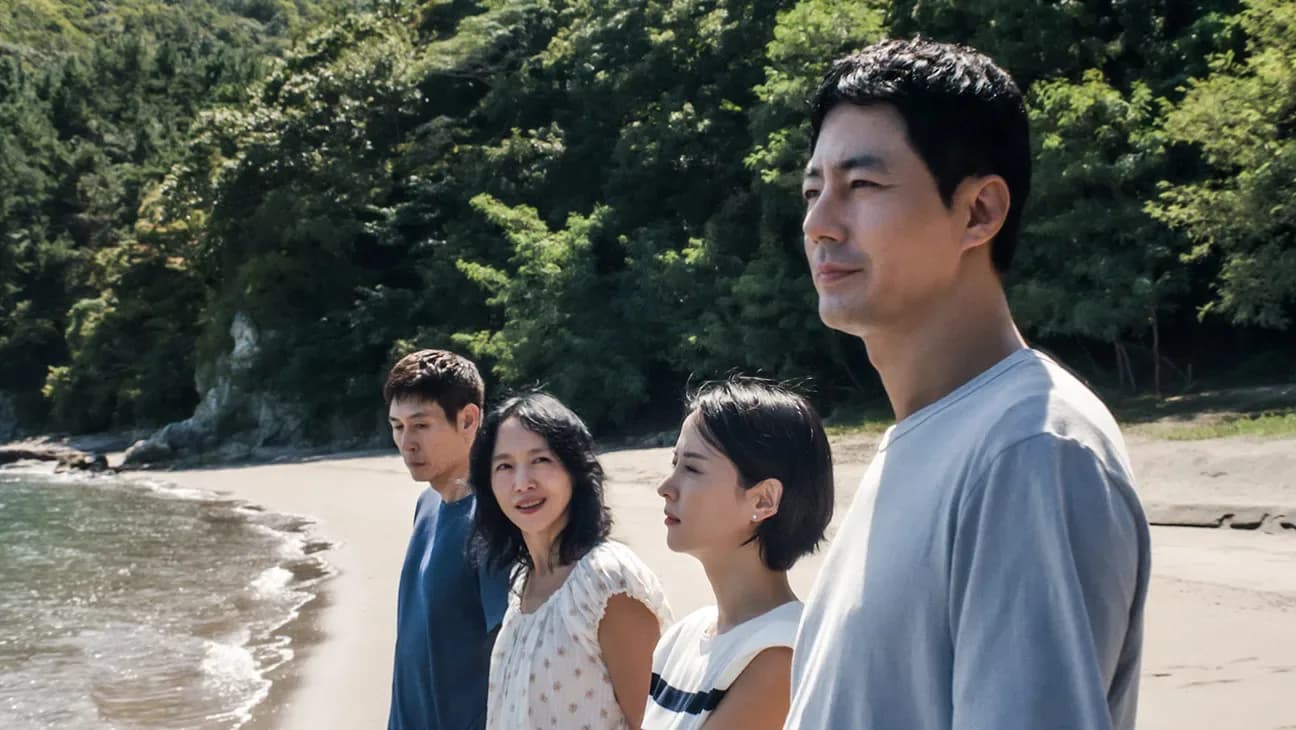
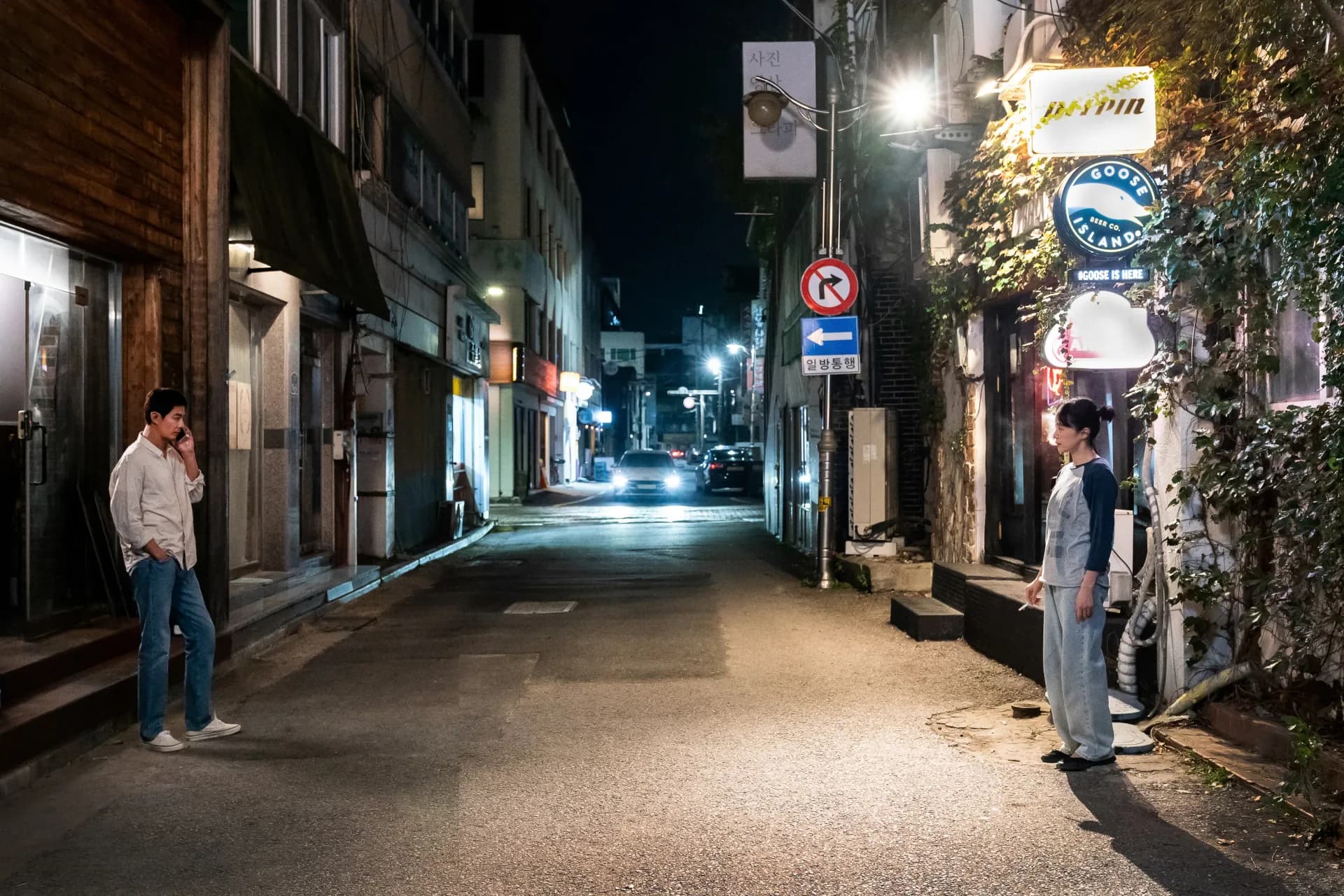
The film, now set for a limited US theatrical release starting October 23, 2026, will debut on Netflix on November 6. It marks Chang-dong’s first feature since Burning (2018), a film that cemented his reputation as one of contemporary cinema’s most incisive chroniclers of alienation and emotional fracture. In Possible Love, two married couples — Mi-ok (Jeon Do-yeon) and her laid-off husband Ho-seok (Sul Kyung-gu), and documentary filmmaker Ye-ji (Cho Yeo-jeong) and her husband Sang-woo (Zo In-sung), find their lives intersecting when Ye-ji begins filming Mi-ok’s family as part of a project on displaced workers.
The story unfolds through subtle shifts in tone and intimacy, as Mi-ok grows close to Ye-ji while becoming increasingly drawn to the enigmatic Sang-woo. The film explores how hidden desires, economic precarity, and the weight of unspoken truths can unravel even the most stable relationships. Chang-dong, who also wrote the screenplay with Jungmi Oh, discusses the thematic core of the film in the featurette: the question of whether love, as portrayed on screen, holds any real meaning beyond performance.

Be the first to comment
Join the argument. No password, just your email or a passkey.