The Warner Bros. launch draws fire for its over‑the‑top tone, with Cruise’s oil‑baron swagger clashing against a blunt environmental message that many find more smug than sharp.
Warner Bros. Rolled out the red carpet for Digger on Thursday, but the buzz has turned into a chorus of criticism. The film, billed as a climate‑crisis satire, pits Tom Cruise’s larger‑than‑life oil magnate against a world teetering on ecological collapse. What should have been a biting commentary lands instead as a loud, self‑congratulatory spectacle.
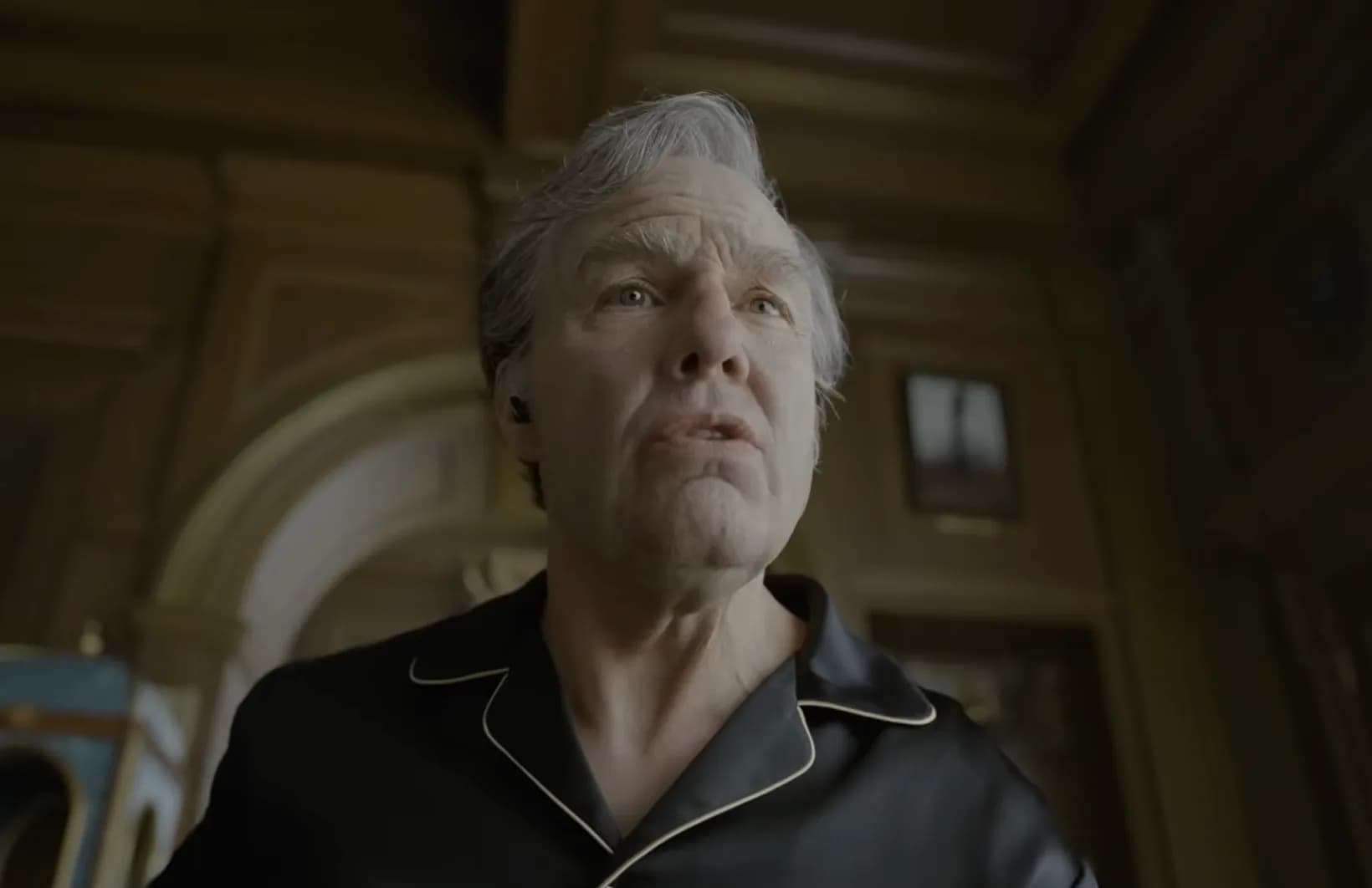
Cruise, playing the eponymous Digger Rockwell, leans into a caricature that mixes a motivational‑speaker swagger with the bombastic bravado of a Hollywood studio head. He struts through his opulent estate in cowboy boots, a ten‑gallon hat, and a bolo tie, all while clutching a mangy cat puppet that is a bizarre visual gag. The performance feels deliberately overblown, a choice that the reviewer at The Hollywood Reporter describes as “cocky” and “abrasive,” leaving little room for subtlety.
Iñárritu, fresh off the experimental success of Bardo, attempts to fuse satire with disaster‑movie stakes. The plot centers on a methane‑fueled ice shelf cracking open, threatening a tsunami that could displace millions. Digger’s reaction is predictably selfish: he worries more about his rig than the human toll. The film’s message — that political theater can’t stop climate change, gets shouted rather than woven into the narrative, making the satire feel more like a lecture than a laugh.
The supporting cast, including John Goodman as President Compson, adds to the over‑the‑top atmosphere. Goodman’s character is a blustering, wind‑bag leader who nods to Digger’s whims, reinforcing the film’s portrayal of a government that has turned a blind eye to environmental ruin. Yet the dialogue rarely lands, and the humor feels forced, according to the review.
Why the Satire Misses the Mark
The reviewer draws parallels to past misfires like Babylon and Amsterdam, suggesting that both director and star are drunk on reputation. Iñárritu’s earlier work, such as Birdman, managed to balance ego‑play with genuine insight. Here, the director’s meta‑approach. Showing a world that seems to exist on a stage, ends up feeling like an indulgent echo chamber. The film’s final twist, meant to shock, comes across as contrived, leaving audiences with a sour aftertaste.
Even the visual flourishes. Hunting trophies, sweeping landscapes, a poster for Cassavetes’ Opening Night, feel like set‑pieces rather than storytelling tools. The cat puppet, the proscenium curtain, and the endless shots of Digger’s mansion all point to a production that cares more about style than substance.
Critics who appreciate boldness may applaud the film’s ambition, but the consensus is that Digger sacrifices wit for volume. The satire’s heart. Exposing the absurdity of fossil‑fuel politics, gets drowned out by a soundtrack of self‑importance. As the reviewer puts it, the movie “boils down to, ‘Look at the hopeless mess we’re stuck in, hahaha!’”
The film opens in a handful of theaters this Friday, with a modest October opening expected. Whether the buzz will translate into box‑office numbers remains to be seen, but the early chatter suggests Digger will be remembered more for its missteps than its message.
The next week will reveal if audience reactions align with the critical chorus, or if Cruise’s star power can pull the film out of its own shadow.






Be the first to comment
Join the argument. No password, just your email or a passkey.