Srikanth wins National Award — Tushar Hiranandani’s long walk from comedy writer to serious filmmaker ends where it began: with truth.
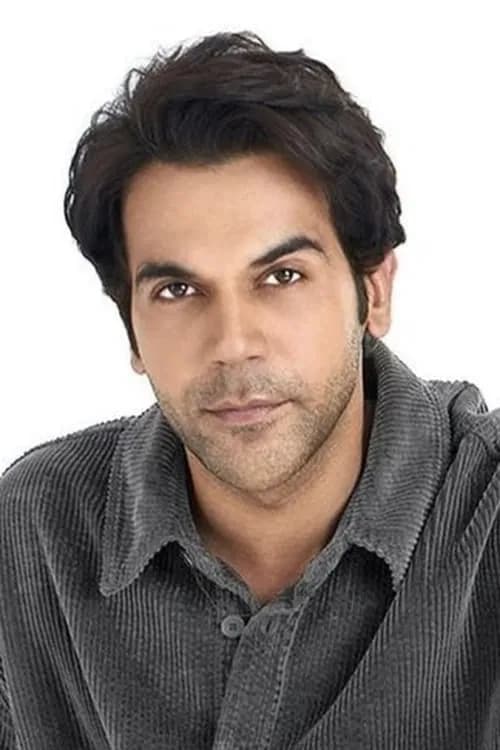
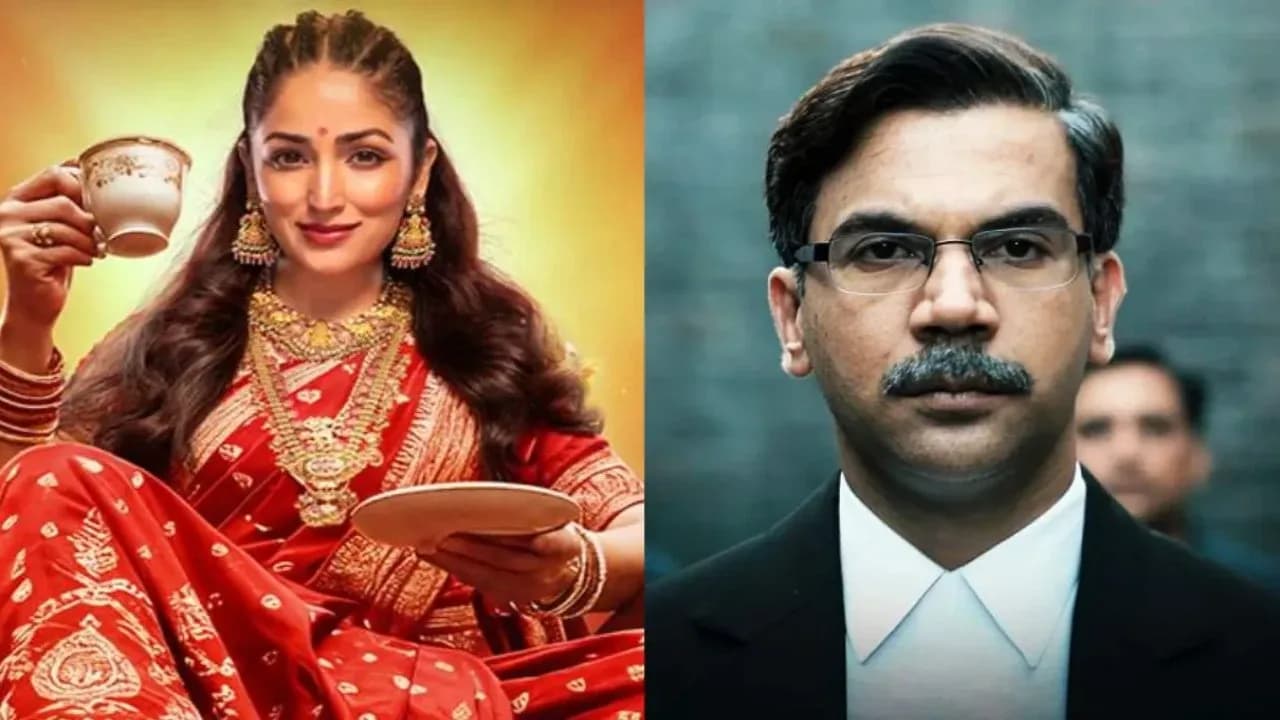
Tushar Hiranandani’s Srikanth has just won the National Award for Best Hindi Feature Film — a quiet, seismic shift in a career that once lived in the margins of mass comedy. The film, which stars Rajkummar Rao as the real-life entrepreneur Srikanth Bolla, wasn’t just a critical triumph. It was proof that stories rooted in truth can outlast the formulaic churn of multiplexes.
And now, with the award, it’s officially canonised. But the journey here wasn’t linear. It was a pivot from Masti to Saand Ki Aankh, from writing gags to weeping at Aamir Khan’s Satyamev Jayate. That moment, watching elderly women speak about their lives on national television.
Cracked something open. He turned to his wife Nidhi and said, ‘Who’ll produce it?’ She said, ‘I will.’ They quit their jobs. No safety net. Just faith.
And a script. The kind that doesn’t need a star to carry it. Just a story. That’s what he believed in.
Even when people told him, ‘Are you mad? Two old ladies? You know actors. Make a conventional film.’ He didn’t listen.
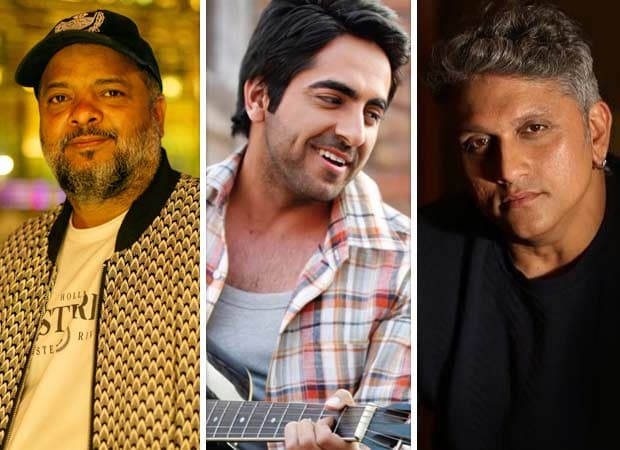
Not because he was stubborn. Because he’d finally stopped pretending. The turning point came earlier, not with a script, but a film. Vicky Donor. After seeing it, he told his wife: ‘The kind of comedy I do is finished.’ He wasn’t talking about jokes.
He was talking about the end of an era. The rise of emotional honesty. The moment cinema stopped being just entertainment and started being reckoning. And then there was Mohit Suri.
Not a mentor, exactly. But someone who let him stand on set every day, treated him like a co-director, credited him as more than a writer. That trust. That visibility, gave him the nerve to step behind the camera.
At 45, he wanted to retire. Go to Lonavala. Plant flowers. Instead, he made a film about a man born blind who built a business empire.
The shoot was cut from 65 to 55 days due to Covid. He finished it in 42. He shipped a yellow cab from New York to Cape Town to make South Africa look like America. Clever hacks.
Real courage. Now, the National Award. Not a celebration of style. Of scale.
But of substance. And for a man who once wrote Housefull 2, that’s the most radical thing of all.


Be the first to comment
Join the argument. No password, just your email or a passkey.