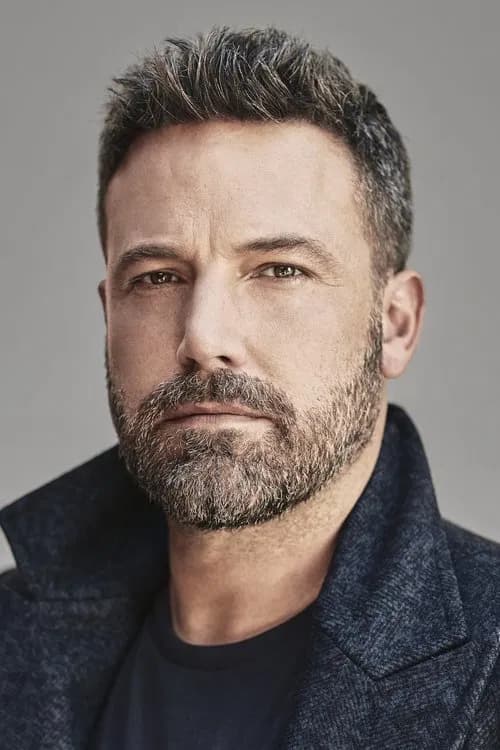
Ben Affleck’s latest directorial, Animals, lands on Netflix with the kind of unapologetic sleaze that only a man who once won an Oscar for a movie about a hostage rescue can pull off. It’s not subtle. It’s not trying to be. The film opens with Mark Kimball — Affleck’s character, a Beverly Hills lawyer running for mayor, grinning into a camera, selling himself as a man of the people while his family lives in a $10 million mansion. The irony isn’t lost on anyone. Not even on Abigail (Kerry Washington), his wife, who drops the line: ‘He can’t enforce laws he doesn’t abide.’ That’s the thesis. And it’s the only moment where Animals feels like it might actually bite back at the system it’s mocking. Instead, it leans into the thriller genre’s most tired tropes: a kidnap, a ransom, a moral test wrapped in a plot twist so predictable it’s almost charming. Steven Yeun plays the campaign manager with all the depth of a spreadsheet. Gillian Anderson shows up in a white pantsuit and delivers lines like ‘Everyone’s beholden to something’ like she’s auditioning for a Bond villain spin-off. The film’s real star? The way it treats ethics like a prop. By the time the big reveal hits. Yes, it’s the one you saw coming, the movie has already stopped pretending it cares about consequences. It just wants to keep you watching. And it does. Because Affleck, even when he’s coasting, knows how to make a story feel urgent. The performances are sharp. The pacing is tight. But there’s no weight behind the weightlessness. It’s pulp with polish. A slick, cynical ride that asks you to care about a man whose biggest sin is being rich and married. It’s not great. But it’s not bad enough to ignore. It’s the kind of movie that gets watched in silence, late at night, with the lights off. And then forgotten by morning. Meanwhile, Rwanda has made its first-ever submission to the Oscars with Ben’Imana, a debut feature from Marie-Clementine Dusabejambo that premiered at Cannes and won both the Camera d’Or and Fipresci prize. Set in a village still healing from the genocide, it follows Vénéranda (Isabelle Kabano), a woman who helps others confront their past. Until her own daughter’s future forces her to face hers. The film, shot entirely in Rwanda with a Rwandan crew, is a co-production between Rwanda, Gabon, France, Norway, and Côte d’Ivoire. It will open in UK cinemas on February 19, 2027, and in the US in March via Alexander, the new distribution arm led by Cameron Lamb. No one’s calling it a masterpiece. But it’s serious. It’s quiet. It’s the opposite of what Animals is. And yet, both films are out now. One is a satire of power. The other is a reckoning with it. Which one will stay with you longer? We’ll see. But the answer probably lies in which one makes you want to talk about it after the credits roll. Animals doesn’t. Ben’Imana might.
 Photo via Variety
Two Films, Two Worlds: Affleck’s Thriller vs Rwanda’s Oscar Bid
Affleck’s Animals hits Netflix as a pulpy, morally slippery thriller; Rwanda enters the Oscars race with Ben’Imana, a powerful debut from Marie-Clementine Dusabejambo.
In this story
Reported from
- Variety — ‘Animals’ Review: Ben Affleck Returns to the Director’s Chair for a Nasty, Compulsive Kidnapping Thriller
- Variety — Oscars: Rwanda Selects ‘Ben’Imana’ as First-Ever Entry to International Feature Race
This article was written by the CutMirchi desk from the reporting above. Facts are attributed to their original publishers.
Read next
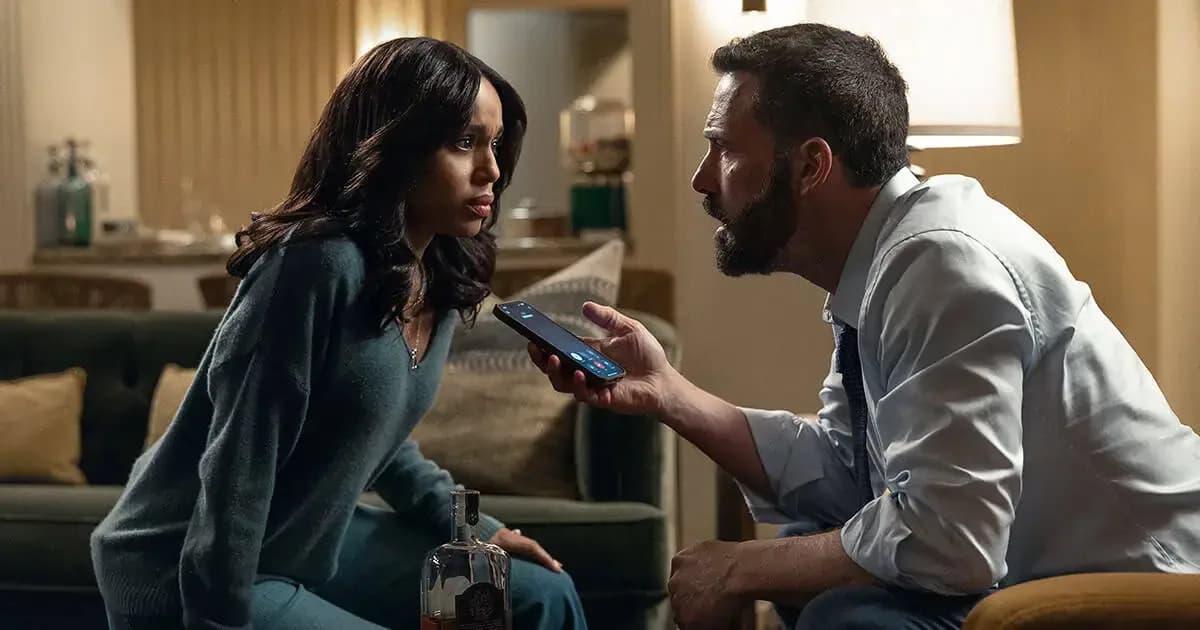
Ben Affleck's 'Animals' hits Netflix with familiar thriller formula
Ben Affleck’s new directorial effort, 'Animals,' arrives on Netflix as a high-stakes political thriller centered on a mayoral candidate whose son is kidnapped. Critics note its heavy reliance on the High and Low premise, with uneven execution and a low-key release strategy.
Affleck’s Animals Trailer Is Already Forgotten
The trailer for Ben Affleck’s Animals dropped on Thursday morning, and it landed with the thud of a door closing on a forgotten hallway.
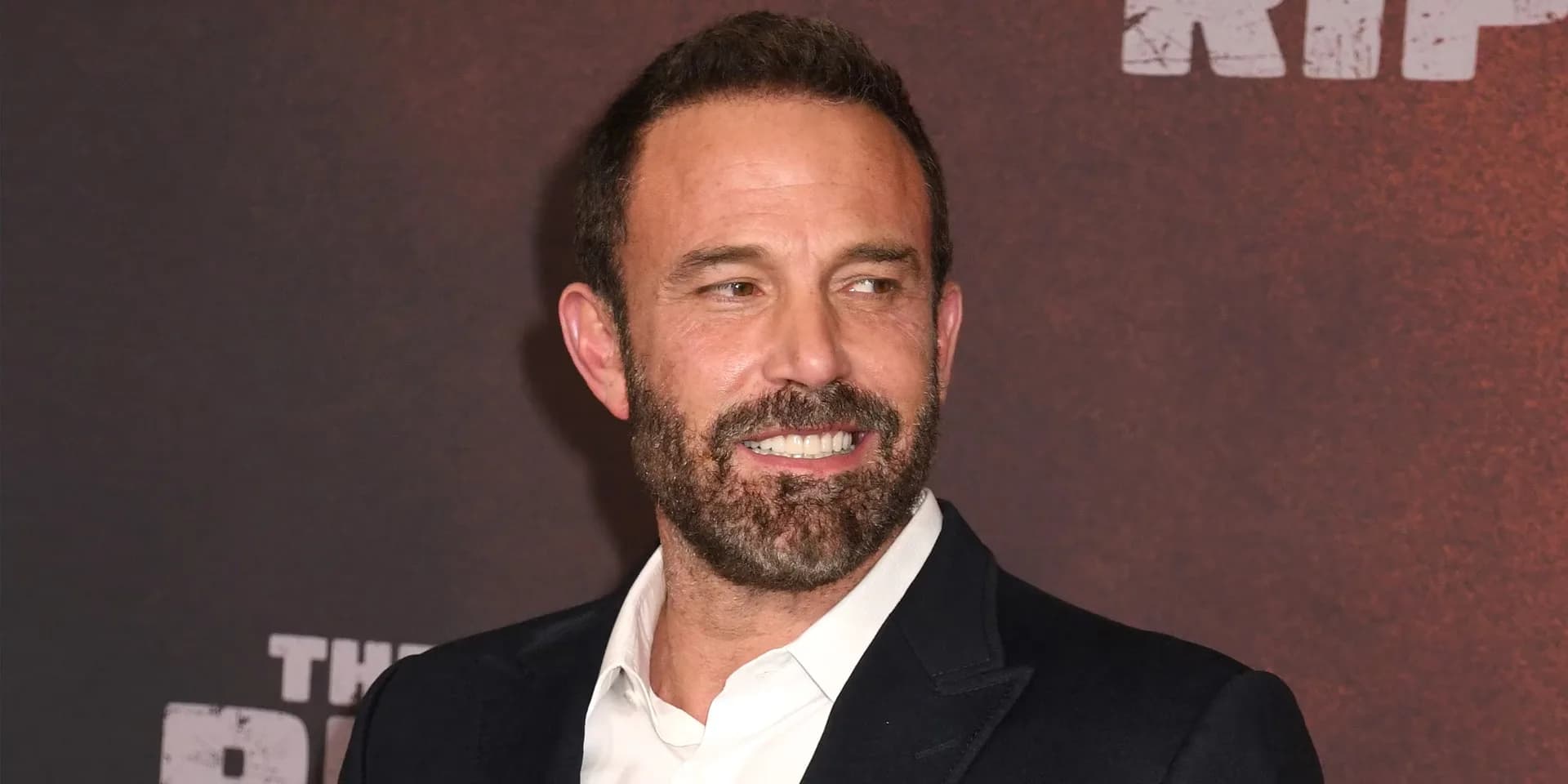
Ben Affleck’s New Netflix Thriller Animals Drops October 9
Ben Affleck’s new Netflix thriller Animals drops Friday, October 9 — and it’s already sparking chatter in the global streaming war.
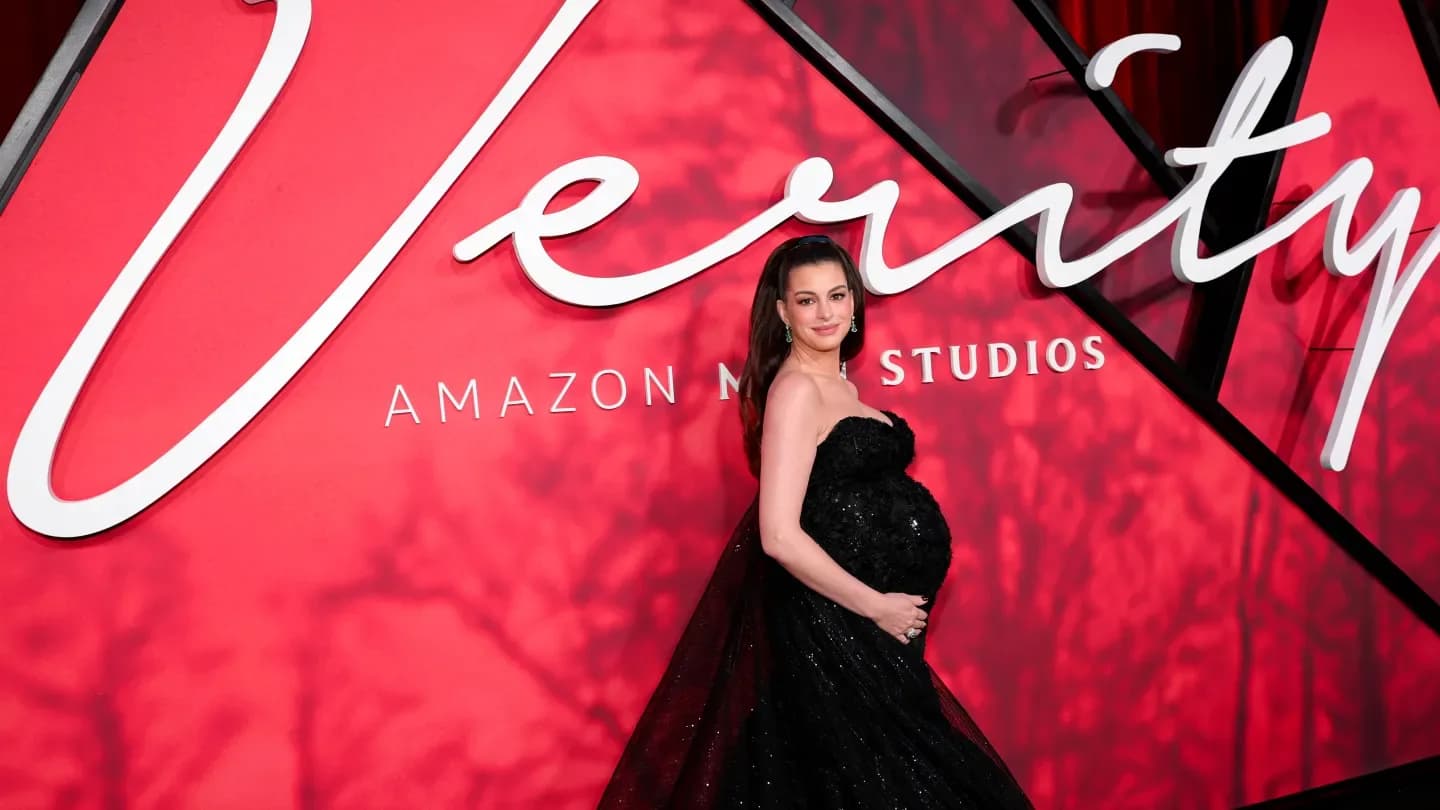
Ben Affleck, Kerry Washington Walk LA Carpet For Netflix's Animals
Ben Affleck, Kerry Washington, Steven Yeun, Adriana Paz and Luis Gerardo Méndez turned out in Los Angeles on Thursday for the premiere of Netflix's ensemble drama Animals, part of a packed week of Hollywood carpet events.
Be the first to comment
Join the argument. No password, just your email or a passkey.