The Hyderabad‑born businesswoman will oversee an ₹8,600‑crore expansion across metros and tier‑2 cities, prioritising patient‑centric design and smoother navigation.
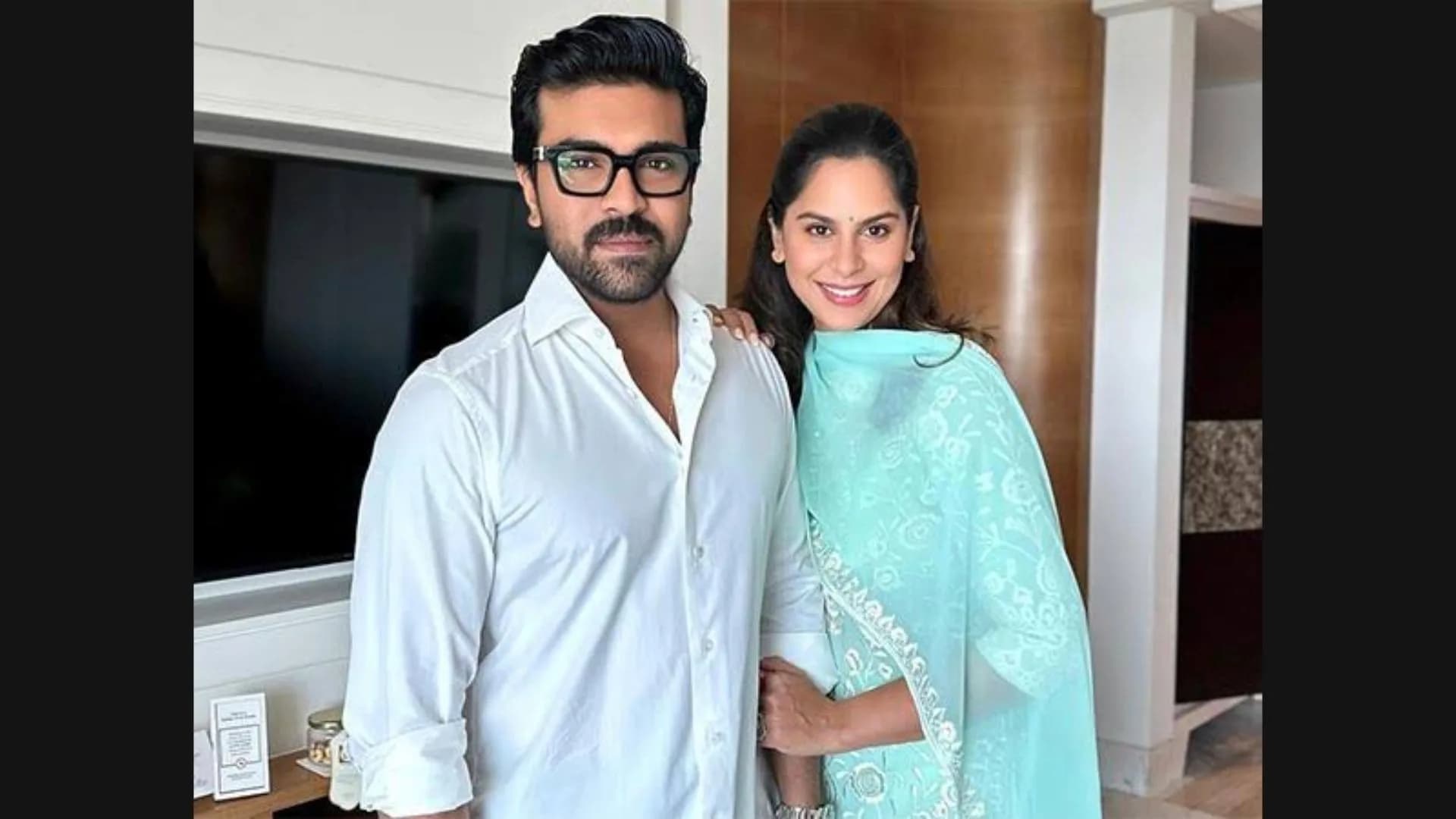
Upasana Kamineni Konidela, the daughter‑in‑law of Tollywood star Chiranjeevi and a known face in the business circuit, has stepped into a new corporate role. Apollo Hospitals announced her appointment as Director – Projects, a position that will see her steering a multi‑billion‑rupee expansion plan.
A massive rollout in the making
Apollo’s roadmap, unveiled earlier this year, earmarks roughly ₹8,600 crore for new builds, upgrades and brownfield extensions. About ₹1,565 crore of that sum is slated for upgrades to existing campuses. The rollout stretches from the usual metros – Hyderabad, Delhi NCR, Chennai, Mumbai and Bengaluru – to emerging hubs such as Lucknow, Varanasi, Indore, Guwahati and Ranchi. While the exact list of projects under Upasana’s watch will be confirmed later, the scale suggests a nationwide push to make advanced care more reachable.
Design with a human purpose
Upasana’s brief is not just about bricks and mortar. She’s been tasked with tightening up way‑finding, sharpening signage and creating more intuitive patient flows. In her own words, “Good hospital design has a human purpose. Patients should find their way without confusion. Families should feel supported. And our doctors and care teams should have spaces that help them deliver excellent care.”
The emphasis on patient‑friendly spaces aligns with Apollo’s broader narrative of blending clinical excellence with accessibility. By standardising design across locations, the group hopes to reduce the anxiety that often accompanies hospital visits, especially for families traveling from smaller towns.
Carrying forward a legacy
Upasana invoked her grandfather’s vision during the announcement. “My grandfather, Dr. Prathap C. Reddy, built Apollo on the belief that world‑class healthcare should be within reach of people in India,” she said. “My responsibility is to carry that belief into the hospitals we build and the facilities we improve.”
Her lineage ties her to the very foundation of Apollo, giving her a personal stake in the brand’s evolution. Industry watchers note that her business acumen, honed through ventures in fashion and wellness, could bring a fresh, consumer‑focused lens to the health sector.
What this means for the industry
The timing is noteworthy. With the Indian healthcare market projected to cross $350 billion by 2030, large‑scale expansions like Apollo’s could set new benchmarks for private players. Competitors may feel pressure to match the design‑first approach, potentially sparking a wave of hospital renovations across the country.
Also, the focus on navigation and patient comfort could influence policy discussions around hospital accreditation, where patient experience metrics are gaining weight.
Looking ahead
Apollo has not disclosed the exact launch dates for the upcoming facilities, but insiders expect the first wave of new hospitals to open within the next 18‑24 months. Upasana will be coordinating with clinical teams, architects and local authorities to keep the timeline on track.
If the rollout stays on schedule, patients in cities like Guwahati and Ranchi could see state‑of‑the‑art care centres that mirror the standards of Apollo’s flagship campuses. For Upasana, the challenge is clear: translate a legacy of excellence into concrete, navigable spaces that serve millions.
The health sector will be watching closely as the director‑level appointment unfolds into tangible bricks, corridors and, hopefully, smoother journeys for patients across India.




Be the first to comment
Join the argument. No password, just your email or a passkey.