Vijay Deverakonda has just dropped a detail that might surprise even his most dedicated fans: songs from Dhurandhar, the 2025 Ranveer Singh-led historical drama, are now regularly played in gyms across South India. The revelation came during a candid conversation with podcast host Shubhankar Mishra, where Deverakonda was discussing his personal music tastes — a topic he said he leans toward independent and lesser-known tracks.
But when asked about Hindi songs gaining traction in the South, he zeroed in on Dhurandhar without hesitation. He didn’t recall the exact titles, but he did ask Mishra to hum a few lines, turning the moment into an impromptu audio cue that underscored how deeply these songs have embedded themselves in regional culture.
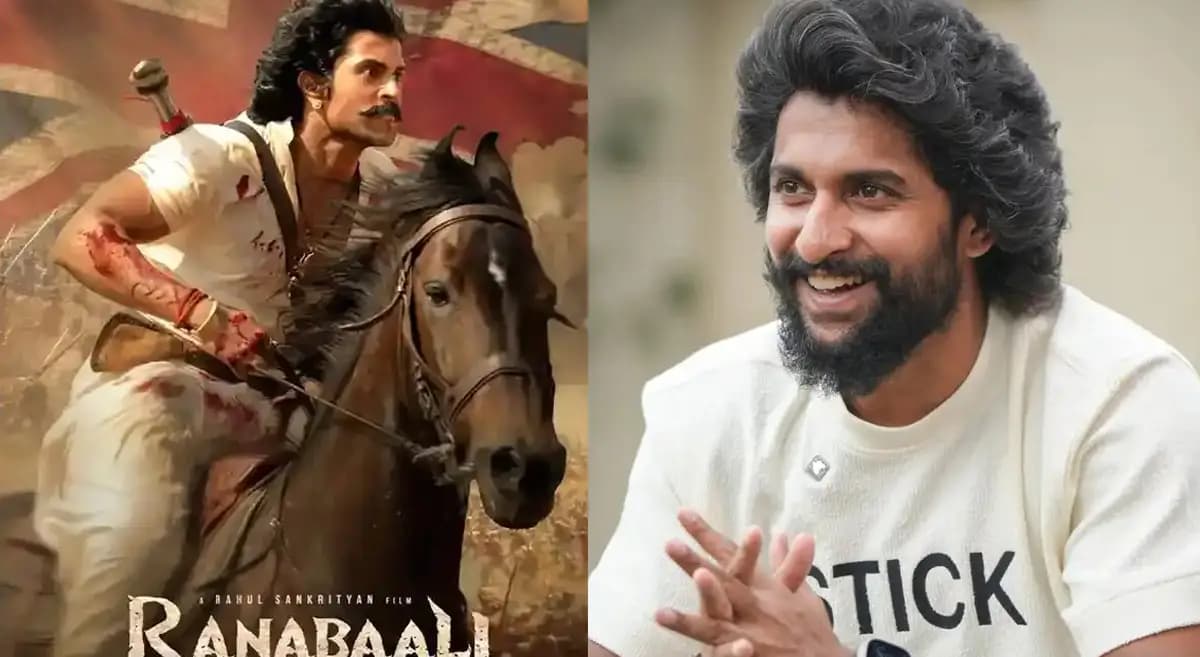
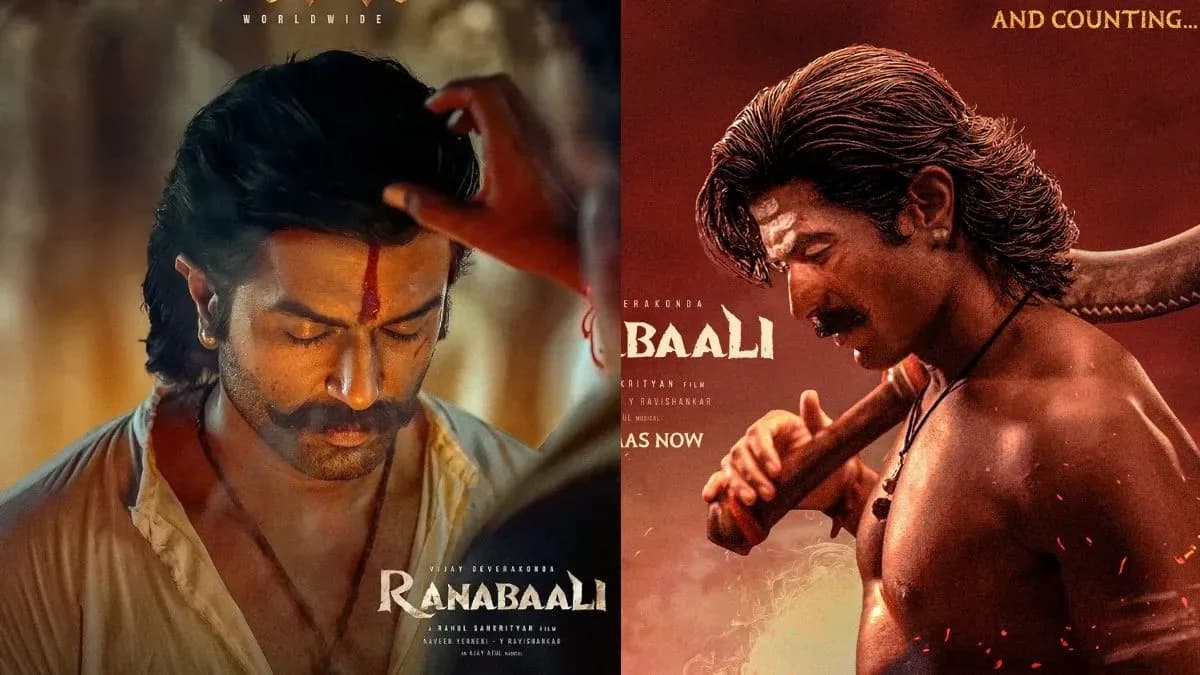
The observation adds a new layer to the ongoing conversation about the reach of Hindi film music beyond its traditional base. It’s not just about streaming numbers or digital downloads, it’s about real-world usage, like gym playlists, where energy and rhythm matter more than language. This comes at a pivotal time for Deverakonda, who is currently promoting Ranabaali, his next major project with director Rahul Sankrityan after Taxiwaala.
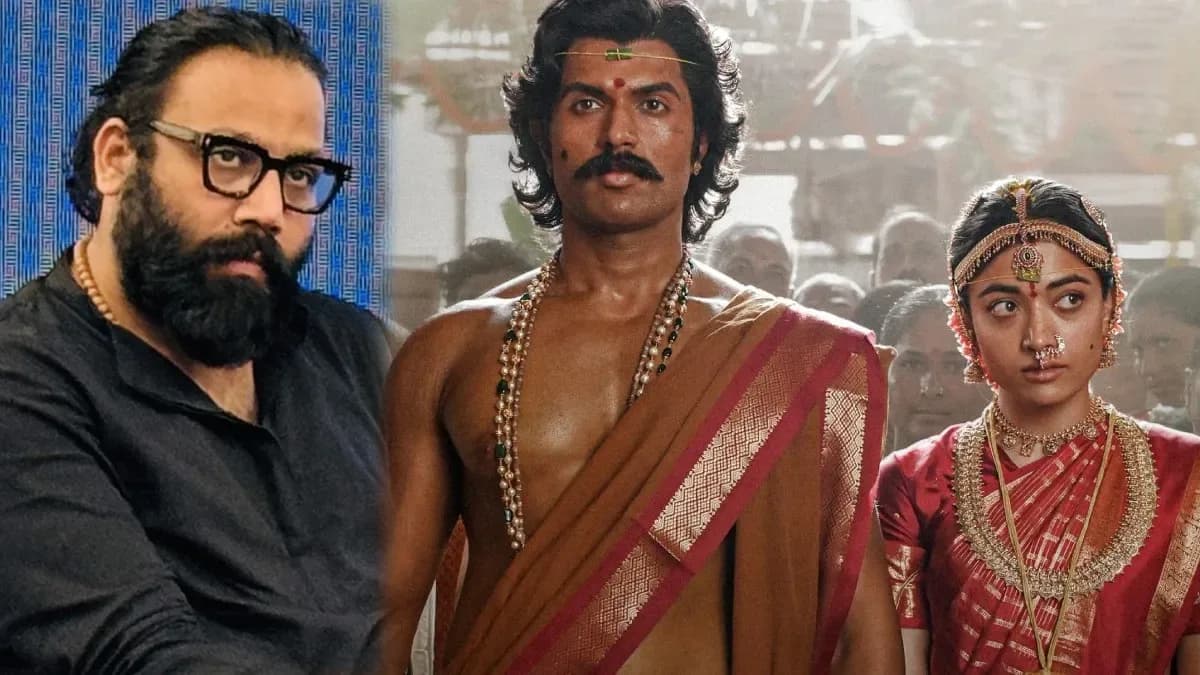
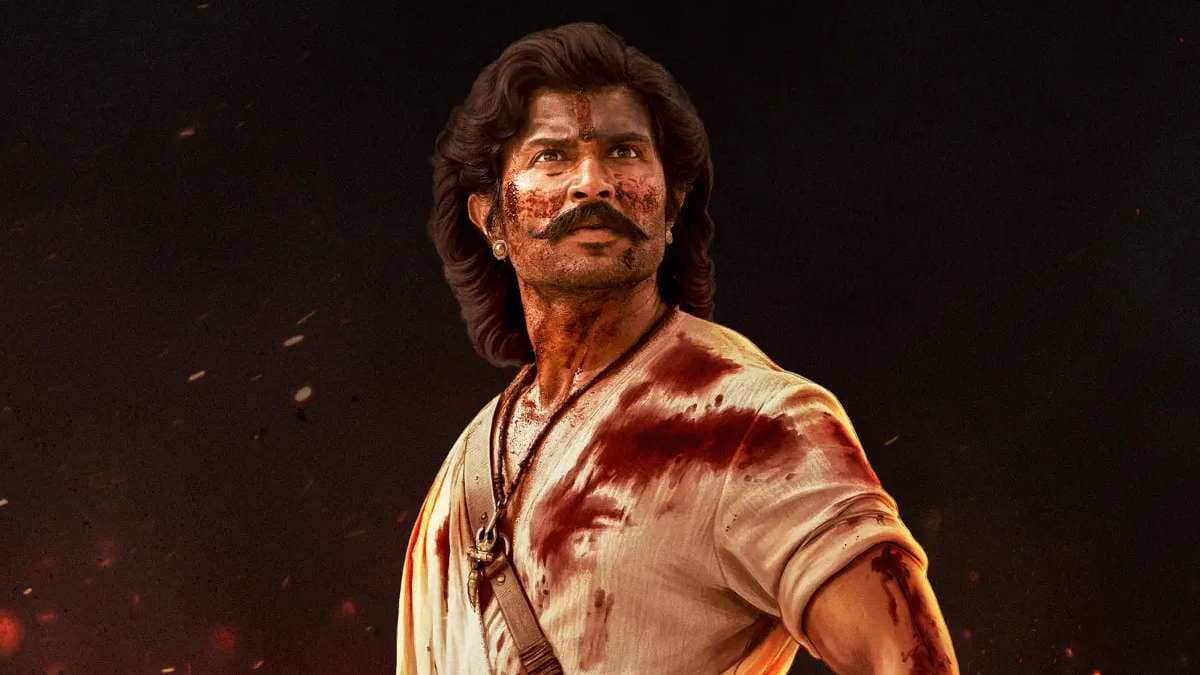
The film, set between 1854 and 1878, dramatizes the Madras Famine of 1876–78 and follows Singanamala Bobbili Ranabaali, a grassroots rebel leader fighting British exploitation and grain hoarding. Vijay plays the title character, with Rashmika Mandanna as his onscreen wife, Jayamma, and Arnold Vosloo as the colonial antagonist Sir Theodore Hector.
The film, produced by Naveen Yerneni and Y. Ravi Shankar under Mythri Movie Makers in association with T-Series, is being positioned as a multilingual theatrical spectacle. Its release is locked for October 16, 2026. A strategic Navratri window aimed at maximum box office impact. With promotions ramping up, Deverakonda’s comment about Dhurandhar’s popularity isn’t just a side note.
It’s a quiet signal that pan-Indian appeal isn’t just a marketing term anymore. It’s a lived reality. Whether it’s through soundtracks that cross linguistic borders or stories rooted in shared history, the boundaries are blurring. And if the gym playlists are any indication, the next wave of mainstream hits might not come from Mumbai alone.
They could be born in the margins, in classrooms, in workout routines, in conversations about what we’re taught. The real question now isn’t whether Ranabaali will succeed. It’s whether the audience will remember the songs long after the credits roll.



Be the first to comment
Join the argument. No password, just your email or a passkey.