
The four pages of Federico García Lorca’s unfinished play La Bola Negra — preserved in Granada, hidden from fascism, became the spine of a film that now sits at the heart of Contenders London. Spanish directors Javier Calvo and Javier Ambrossi didn’t just adapt a story. They excavated one. Their new film, La Bola Negra, traces three lives across decades: a footballer and poet in 1932, a young man in 1937, and a trumpeter named Sebastián in 2017. The thread? A love that was never allowed to speak its name. Guitarricadelafuente, who plays Sebastián, said he wept on a plane reading the first monologue. ‘Something touched deep inside,’ he said. ‘Like a wound I didn’t know I had.’ It wasn’t just the script. It was history. The real-life romance between Rafael Rodríguez Rapún and Lorca during the Spanish Civil War, buried under silence and violence, became the ghost in the machine. Lorca never finished his play. He was murdered before he could write it. Calvo and Ambrossi found the fragments in the Centro Federico García Lorca. Four pages. That’s all. But they felt like a manifesto. ‘It was like a weapon fascism wanted to destroy,’ Ambrossi said. They built their film around what might have been. Penélope Cruz, drawn in by the directors’ past work, Veneno, The Messiah. Was offered a role as Nené Romero, a Cuplé singer entertaining soldiers. She didn’t care about screen time. ‘I don’t choose material based on how many minutes the character is on screen,’ she said. When she read the script, she fell in love. ‘I thought I don’t know if they realize how incredible and powerful this is.’ This isn’t just a movie about gay love. It’s about memory. About what gets erased, and what survives. And now, with Contenders London spotlighting it, the question isn’t whether La Bola Negra will be seen. It’s whether the world is ready to hear what Lorca left behind.
 Photo via Deadline
What If Lorca Had Finished His Gay Play?
Four pages of an unfinished play sparked a film that’s already drawing tears at Contenders London.
In this story
Live site hype
around 3 reading right now · 435 today
Reported from
This article was written by the CutMirchi desk from the reporting above. Facts are attributed to their original publishers.
Read next
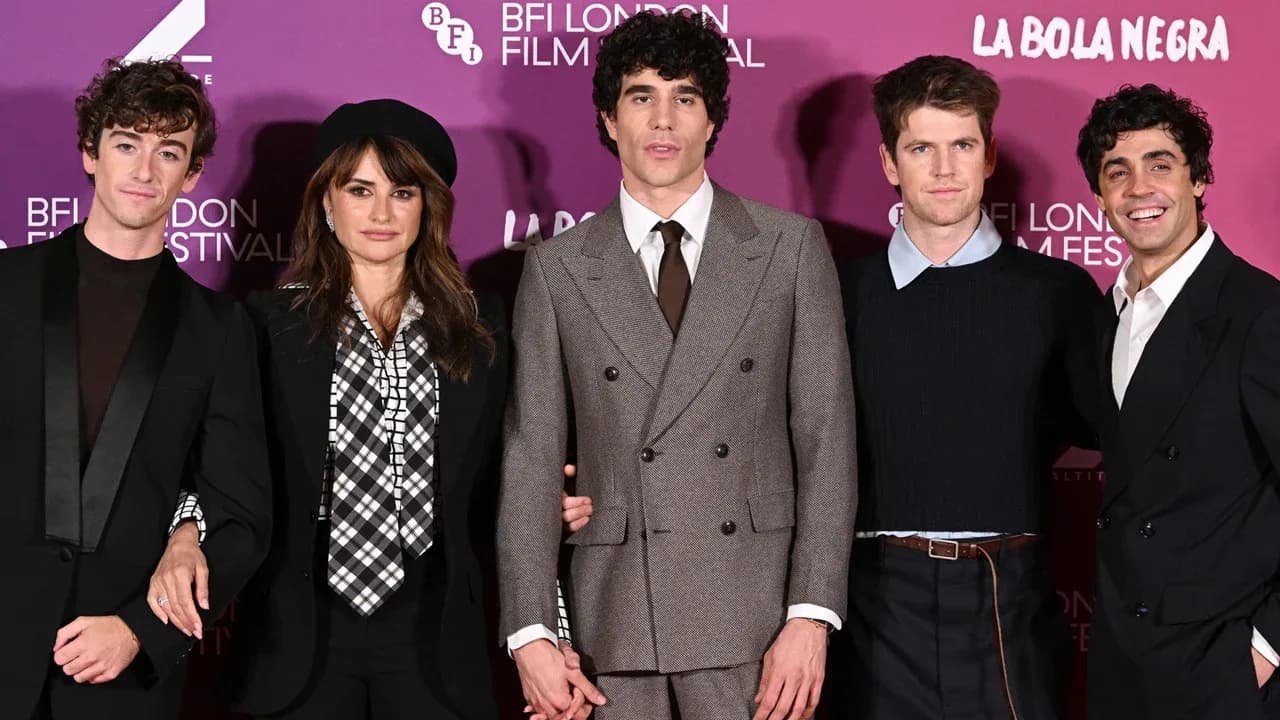
La Bola Negra On Netflix: December 2 Release, Oscar Hopes, And A Record-Breaking Theatrical Run
La Bola Negra lands on Netflix on December 2 after a Cannes-winning run and a London red carpet. The film, already Spain’s Oscar entry, has critics raving and Kalshi betting on a Best Picture showdown with The Odyssey. Its 45-day U.S. theatrical window is unprecedented for Netflix.

Zobel Steps Into the Dark With ‘Something Is Killing the Children’ Film
Craig Zobel is directing the live-action film adaptation of the hit horror comic 'Something Is Killing the Children' — and it’s coming from Blumhouse, which means the scares are already set to bite.
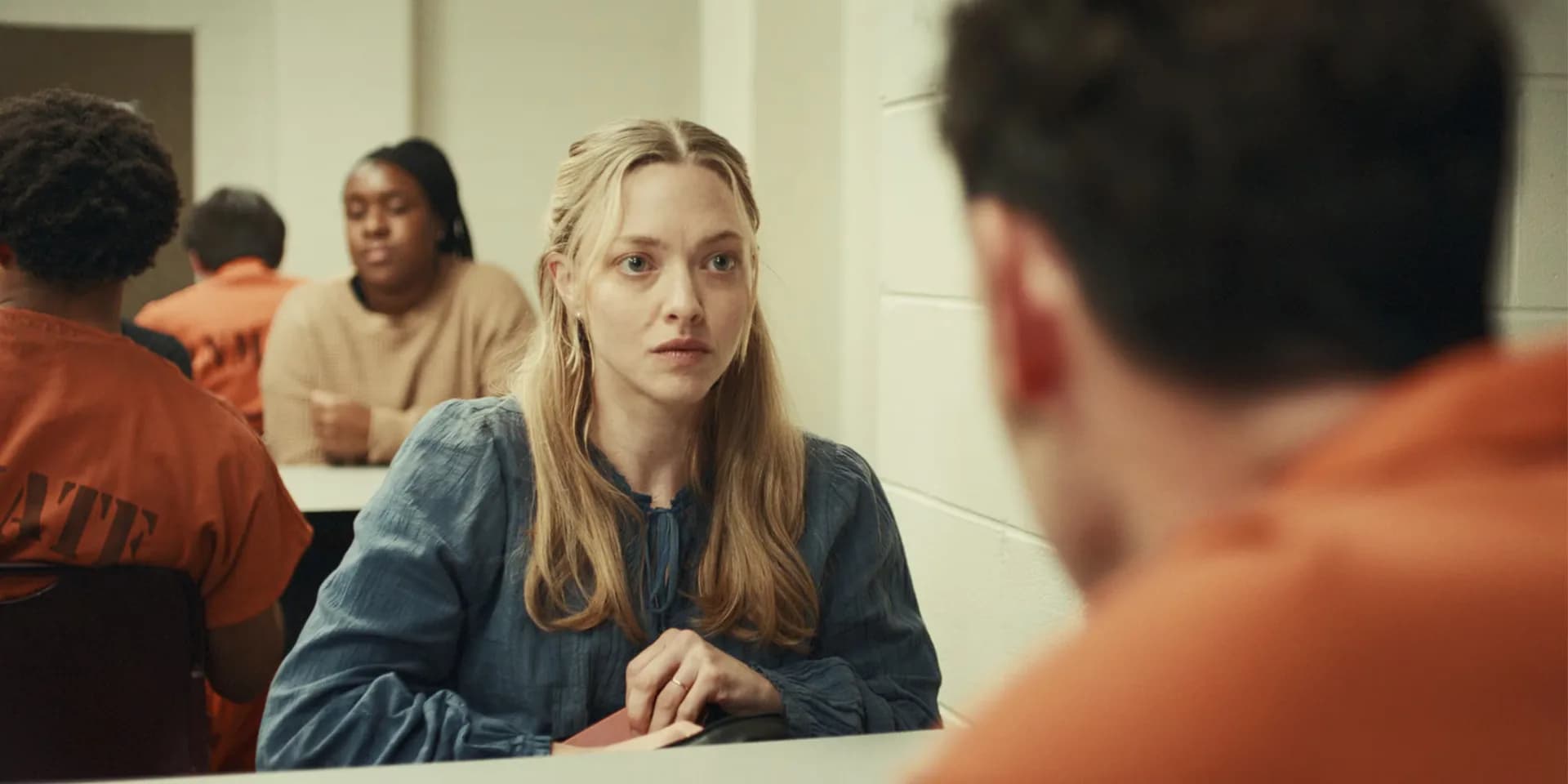
The Film That Took 12 Years to Make Was Saved by One Actress
The Life and Deaths of Wilson Shedd premiered at TIFF after a 12-year journey, with Seyfried and McNairy credited as pivotal in bringing it to life. The film explores a tense relationship between a prison teacher and an inmate, rooted in emotional vulnerability and moral ambiguity.

Arabella Olivia Clark’s Unicorn Role Is Finally Here: 'Other Mommy' Hits Theatres October 9
The film, directed by Rob Savage and based on Josh Malerman’s novel Incidents Around the House, is being released theatrically under the Blumhouse and Atomic Monster banner, with James Wan producing. Rob Savage, known for films including Host and The Boogeyman, directs a screenplay by Nathan Elston, based on Malerman’s bestselling novel Incidents Around the House. The book itself is told from Bela
Be the first to comment
Join the argument. No password, just your email or a passkey.