Tiny Tim’s ‘Tiptoe Through the Tulips’ isn’t just a song. It’s a psychological weapon. And in the hands of horror filmmakers, it’s become one of the most effective tools for inducing dread — without ever needing to scream. The 1968 recording, with its falsetto trills and ukulele strums that sound like a carnival gone wrong, has been weaponised across decades of terror cinema. Not because it’s inherently scary, but because it shouldn’t be. That dissonance is what makes it work. In Insidious, the track plays during scenes of supernatural intrusion: a child dancing in an empty room, a figure emerging from darkness, a father stepping into a realm where time doesn’t exist. Each use is a jarring reminder that the familiar can be a trap. The song doesn’t warn you. It lulls you. Then it stabs you with its sheer absurdity. It’s not the music that frightens. It’s the silence between the notes, the way it refuses to let go. Even in The Sixth Sense, when The Supremes’ ‘Come See About Me’ plays during a quiet moment of emotional revelation, the effect is no less potent. The joy in the melody becomes a lie. The love on screen? A ghost. The same goes for Judy Collins’ ‘Both Sides Now’ at the end of Hereditary. The song’s gentle wisdom clashes violently with the film’s final chaos, a tonal whiplash so sharp it lands. These aren’t just soundtracks. They’re narrative devices. Music that should comfort instead unsettles. That’s the genius of horror scoring: it doesn’t need to be loud to be terrifying. Sometimes, all it takes is a man singing about tulips like he’s possessed by something older than memory. And now, as October winds down, the internet is reeling. Not over new trailers or casting reveals, but over how a 57-year-old novelty tune can still make grown adults check their closets twice. The question isn’t whether these songs are scary. It’s why we keep coming back to them. The answer? Because fear isn’t always in the shadows. Sometimes, it’s in the soundtrack.
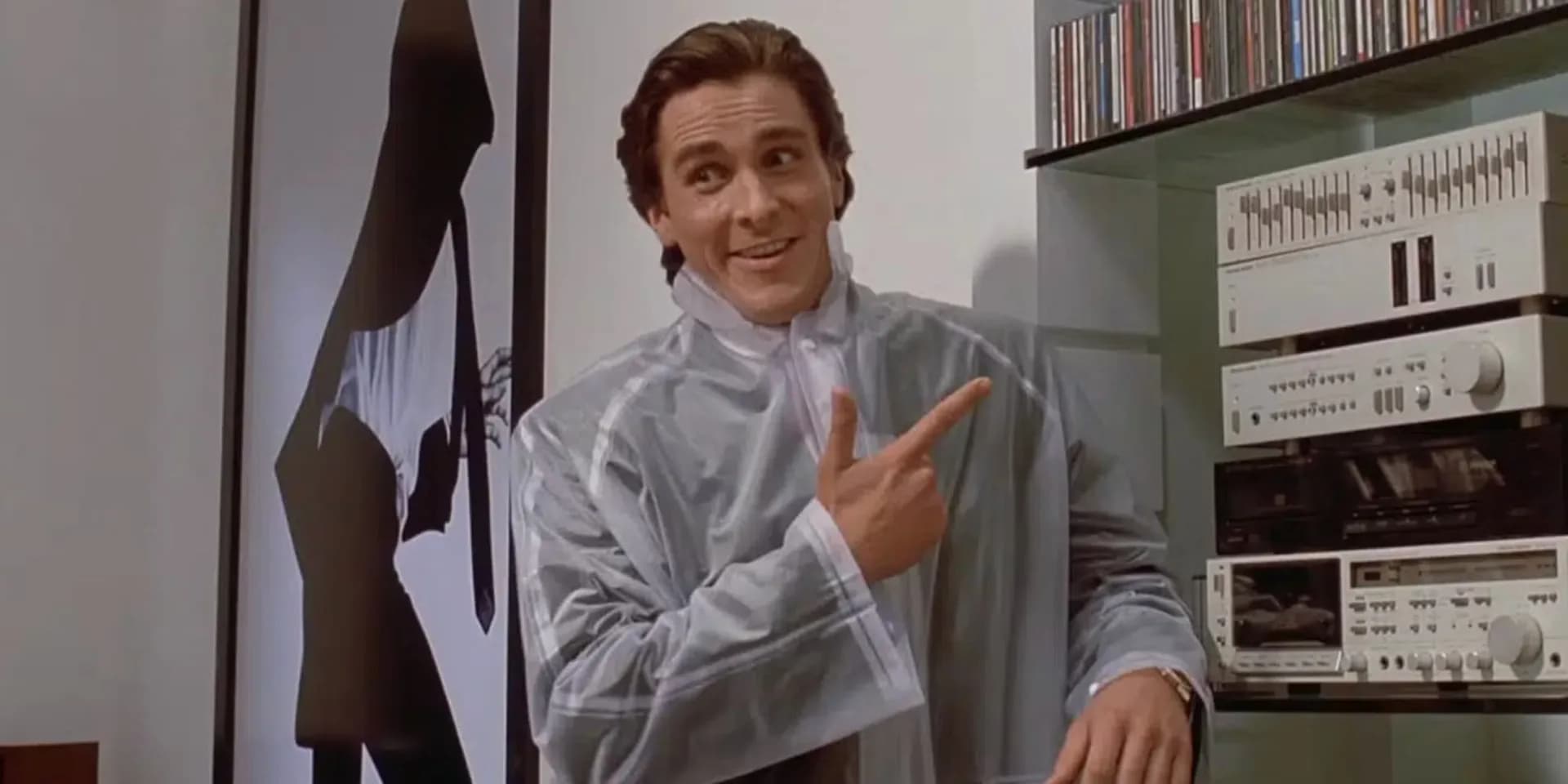 Photo via Collider
Why Tiny Tim’s ‘Tiptoe Through the Tulips’ Is the Most Unsettling Song in Horror History
Tiny Tim’s ‘Tiptoe Through the Tulips’ isn’t just a song. It’s a psychological weapon.
Reported from
This article was written by the CutMirchi desk from the reporting above. Facts are attributed to their original publishers.
Read next
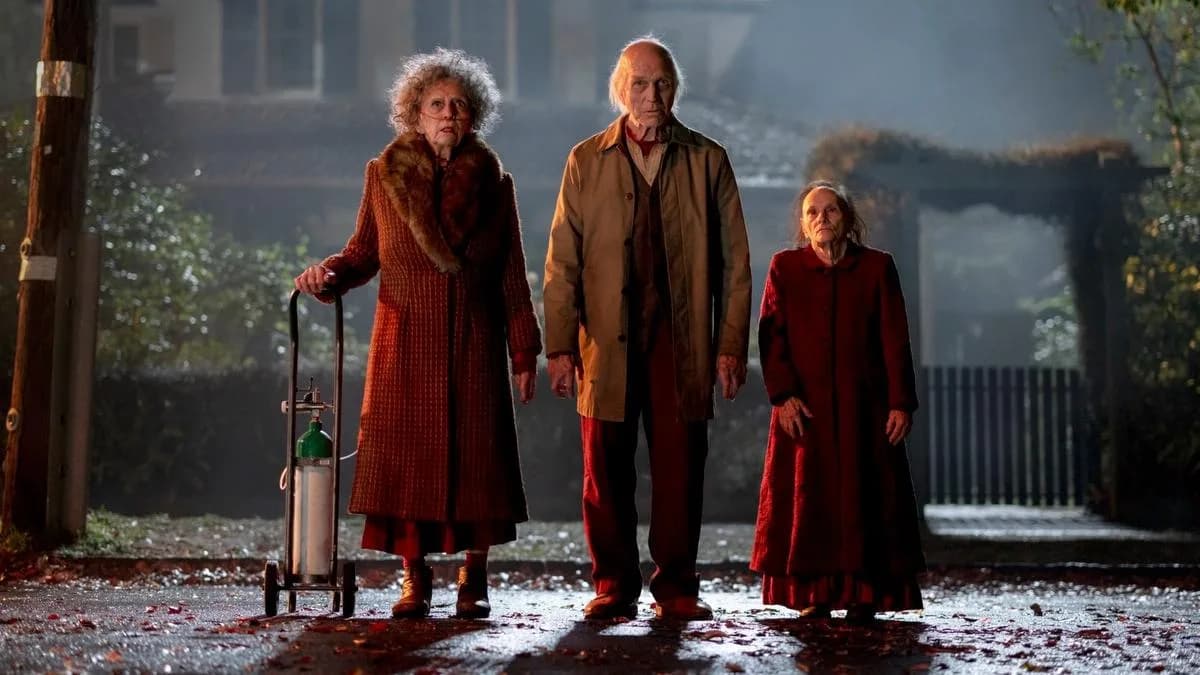
Insidious: Out of the Further Beats The Last Key
The horror movie completed 43 days in cinemas and is out of the top 10 as well. The movie collected just $85k on its 8th Friday at the domestic box office, a harsh 61.6% decline, and is now running in only 289 theaters.
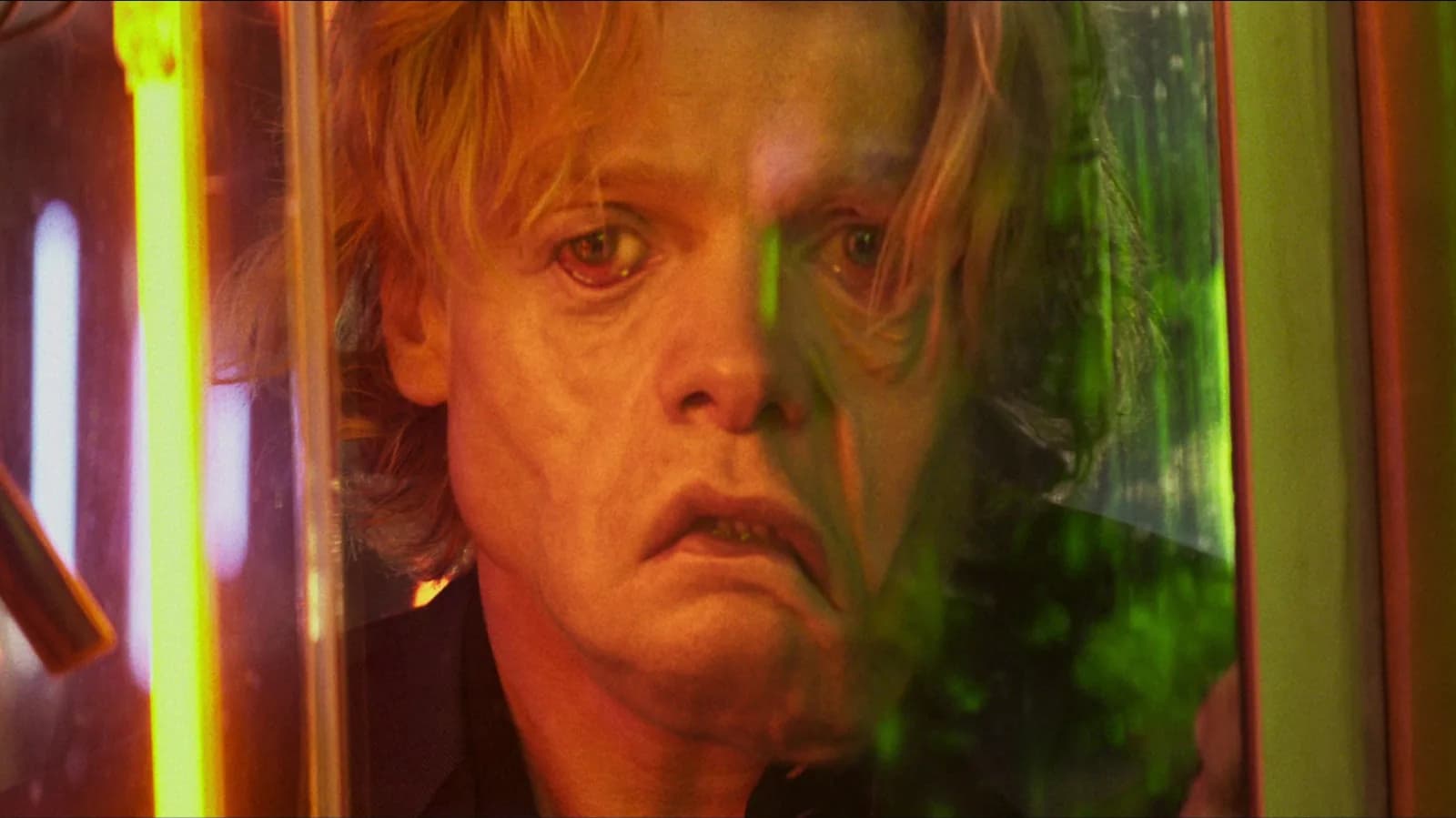
DC’s Next Bet: A Movie About a Man Who Melts
Clayface hits theaters on October 23, 2026, with a $40 million budget and a projected opening of $20–$29 million. The R-rated horror film, starring Tom Rhys Harries as a disfigured actor turned vengeful monster, is seen as a potential lifeline for DC Studios after a string of underperforming releases, including Supergirl. Directed by James Watkins, it’s set in James Gunn’s DC Universe but doesn’t’

Other Mommy Box Office: Horror Film Wins Despite Bad Reviews
Other Mommy’s $45.1 million global debut proves one thing: horror still wins, even when everyone hates it. Critics gave it 16% on Rotten Tomatoes. Audiences handed it a D+. Yet people paid. And kept coming. The secret? Jessica Chastain. The season. The fear of a mother who isn’t your mother.
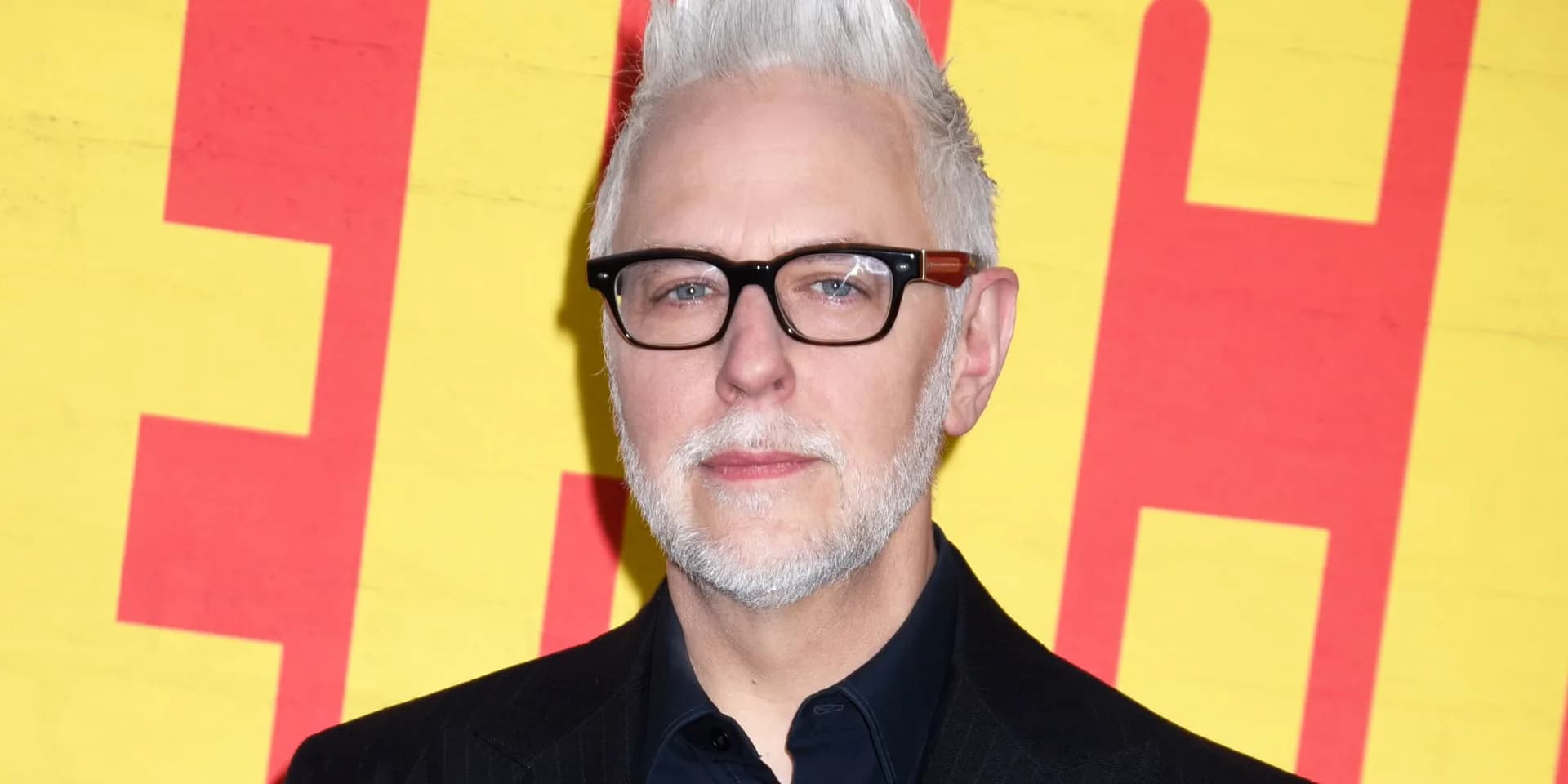
James Gunn’s Forgotten Horror Movie Is Now Free on Pluto TV
James Gunn’s The Belko Experiment is now streaming for free on Pluto TV after being added on October 1, 2026. The 2017 horror thriller, which earned $11 million worldwide against a $5 million budget, follows 80 office workers trapped in a building and forced to kill two people every 30 minutes or die themselves. Starring John Gallagher Jr., Tony Goldwyn, Adria Arjona, Melonie Diaz, and John C. M
Be the first to comment
Join the argument. No password, just your email or a passkey.