Ramayana, starring Ranbir Kapoor, Sai Pallavi and Yash, splits into two Diwali releases, scores by A.R. Rahman and Hans Zimmer, after its trailer crossed a billion views.
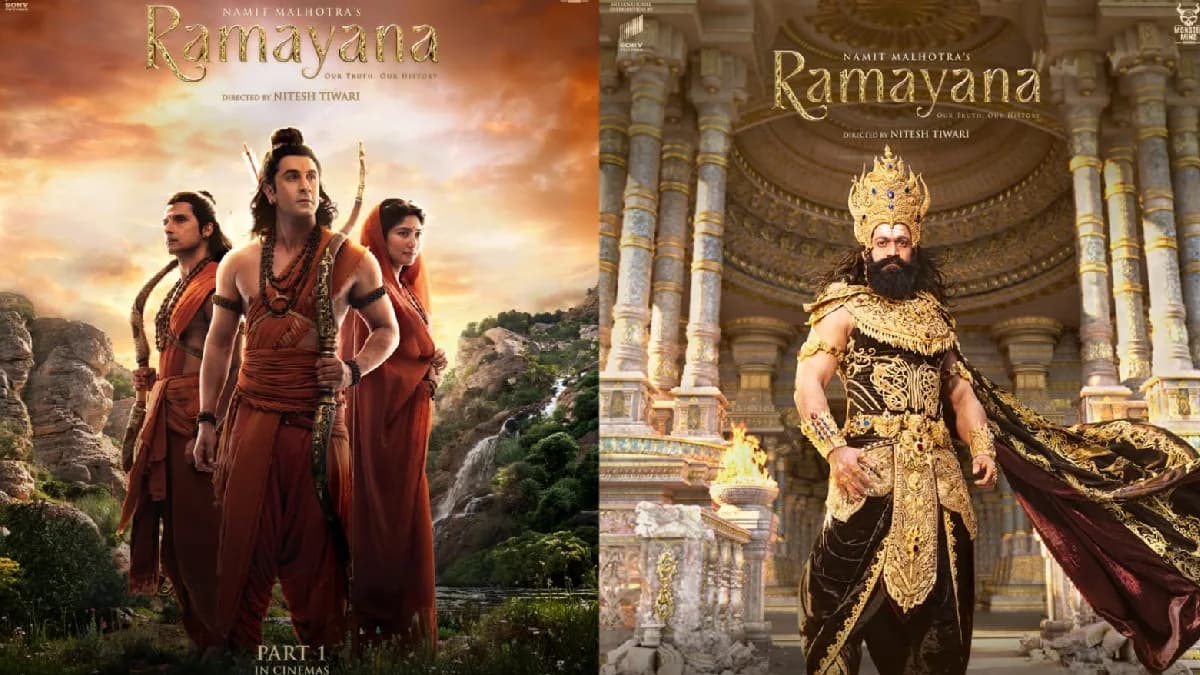
The latest visual teasers for the upcoming two‑part epic have hit the internet, and the reaction is instant. Yash dominates the first poster as Ravana, draped in a glittering crown, gem‑laden bracelets and layered pearl necklaces. His stare is fierce, his posture regal – a clear signal that the ten‑headed antagonist will be larger‑than‑life.
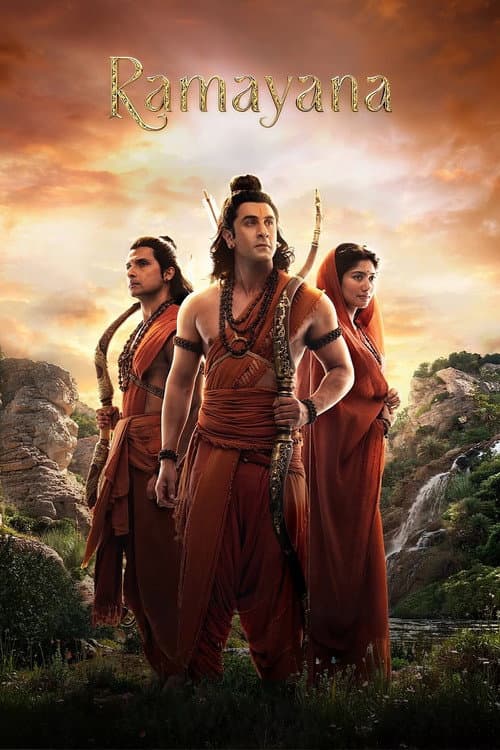
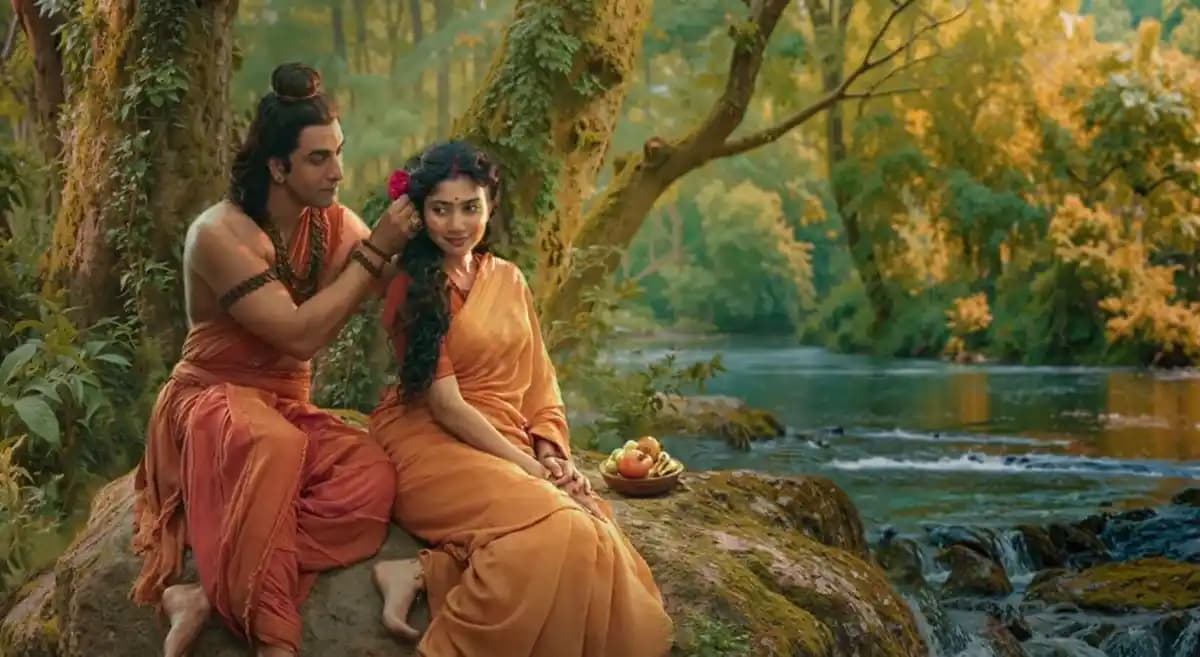
Opposite him, a second poster shows Ranbir Kapoor, Sai Pallavi and a third lead as the iconic trio of Ram, Lakshmana and Sita. The trio stands amid a stylised Vanvas backdrop, exuding calm confidence. The contrast between the two images sets up the classic clash of good versus evil that the ancient saga promises.
The project, directed by Nitesh Tiwari and backed by Namit Malhotra’s Monster Mind Creations, is slated for a split release – the first half arriving on Diwali 2026, the conclusion following on Diwali 2027. This staggered approach mirrors the studio’s ambition to stretch the narrative across two festive windows, giving audiences a year‑long wait between chapters.
Music will be a joint venture between A.R. Rahman and Hans Zimmer, an unusual pairing that hints at a soundscape blending Indian motifs with Western orchestral heft. Fans have already speculated how the composers will divide duties – perhaps Rahman handling the devotional tracks while Zimmer scores the battle sequences.
The promotional push has already broken a record. The trailer, released a few weeks ago, amassed over one billion views, making it the first Indian movie clip to breach that milestone. Social media feeds are littered with reaction GIFs, memes and split‑screen comparisons of Yash’s Ravana against other cinematic villains.
Poster Reveal
Designers opted for a gold‑heavy palette on the Ravana poster, echoing the mythic king’s reputed wealth. Heavy chains, jeweled cuffs and a crown that catches the light suggest a ruler who commands both fear and fascination. The expression on Yash’s face is deliberately intense – a visual promise that the character will be more than a caricature.
The Ram‑Lakshmana‑Sita poster, by contrast, leans on softer tones. The three protagonists are positioned in a triangular formation, a visual cue to balance and unity. Their clothing is simple yet regal, hinting at a narrative that will focus on moral fortitude rather than spectacle alone.
Industry insiders say the dual‑poster strategy is meant to appeal to both the action‑hungry crowd and the devotional audience that cherishes the epic’s spiritual core. By showcasing both sides now, the makers hope to build a broad base before the first part hits theatres.
The hype train is already full. Trade analysts predict opening‑day numbers that could rival the biggest summer blockbusters, especially given the Diwali holiday’s box‑office pull. Yet, splitting the story across two years is a gamble – will the audience’s patience hold until the finale?
What’s clear is that the visual language of the posters, the star‑power of the cast and the unprecedented trailer numbers have set the stage for a cultural event. The next weeks will see more teasers, perhaps a glimpse of the film’s VFX, and certainly a flood of fan theories.
For now, the two images is a reminder: an age‑old tale is being reimagined with modern scale, and the Indian film industry is once again aiming for a global spotlight.


Be the first to comment
Join the argument. No password, just your email or a passkey.