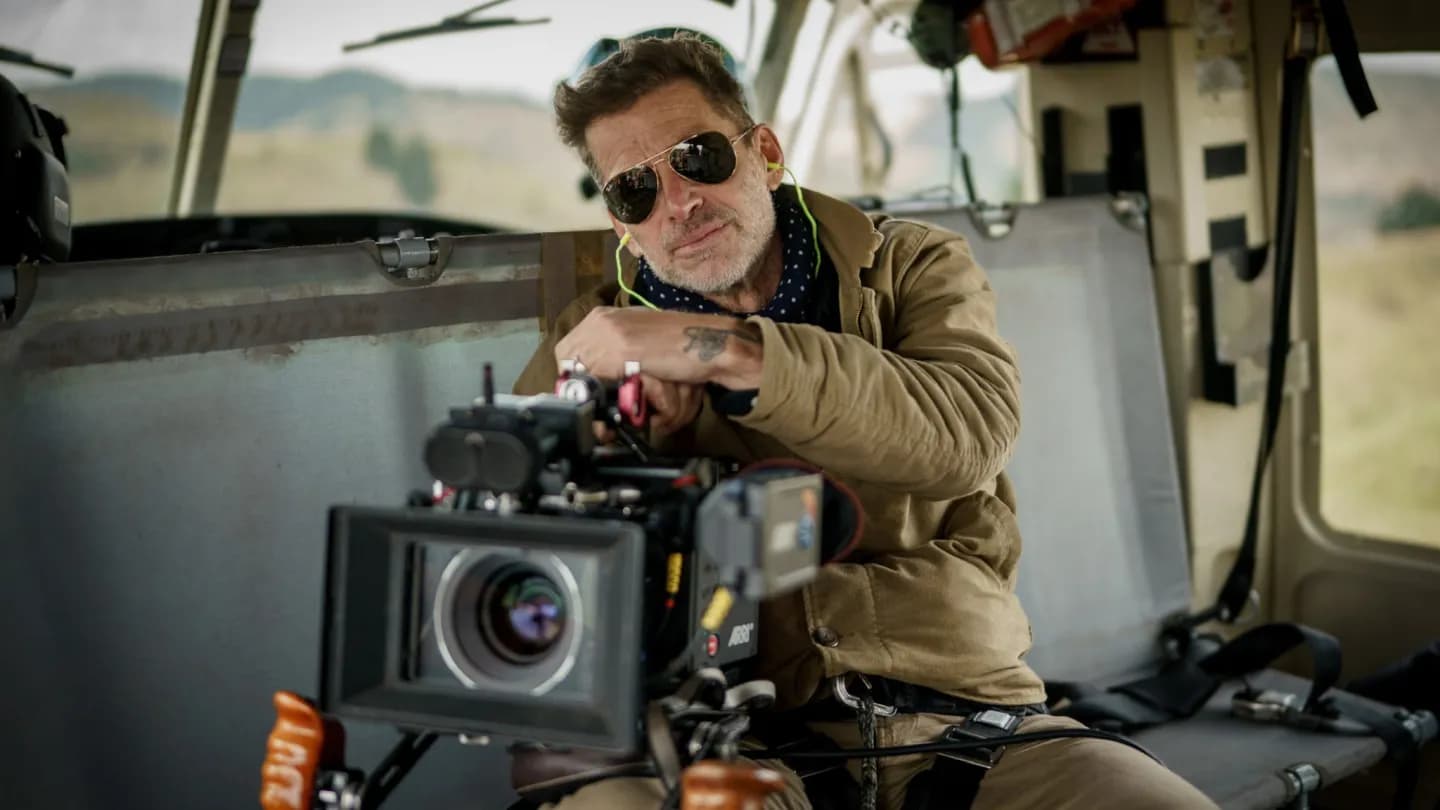
After a mixed reception at the Toronto International Film Festival, Snyder told Variety the online pile-on has less to do with his new revenge thriller than with three decades of baggage.
Zack Snyder's new film had barely finished its Toronto premiere before the internet decided it hated it.
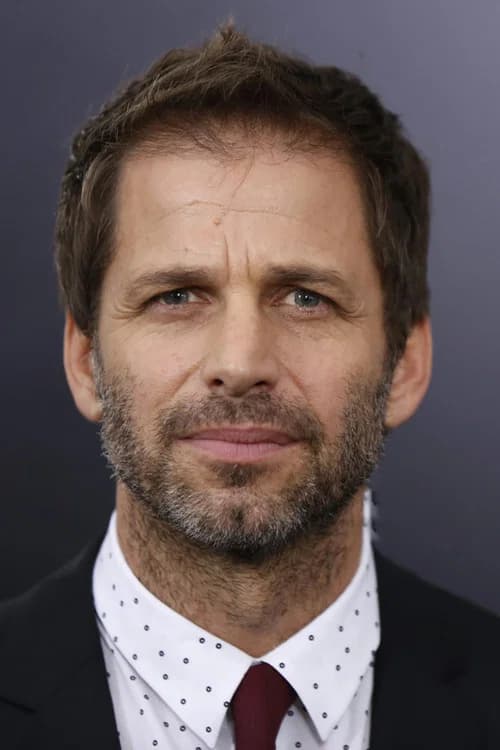
The Last Photograph, which played to roughly 1,200 people in one TIFF theatre, walked out into a wall of online commentary. Snyder, talking to Variety soon after, didn't dodge the noise. Asked whether the reaction was really about the movie or about him, he didn't hesitate.
"100%," he said. He pointed out the arithmetic doesn't add up: a small crowd, thousands of comments, most from people who hadn't bought a ticket. He recalled one post from someone who admitted upfront they hadn't seen the film and were sure it was bad anyway.
"It's more clickable to say, 'I hate Zack Snyder! He's a fascist!' than it is to say, 'I saw the movie and it was cool,'" he told Variety. "Nobody gives a f*** about that. And obviously, I'm not a fascist."
He described waking up to his X feed and finding, in his words, a war already underway. "It's like there's a war going on, instantly," he said, adding that he's used to a particular, heavily charged conversation trailing his work by now. What he hadn't expected, he said, was for a smaller film to draw the same volume of noise as his bigger ones.
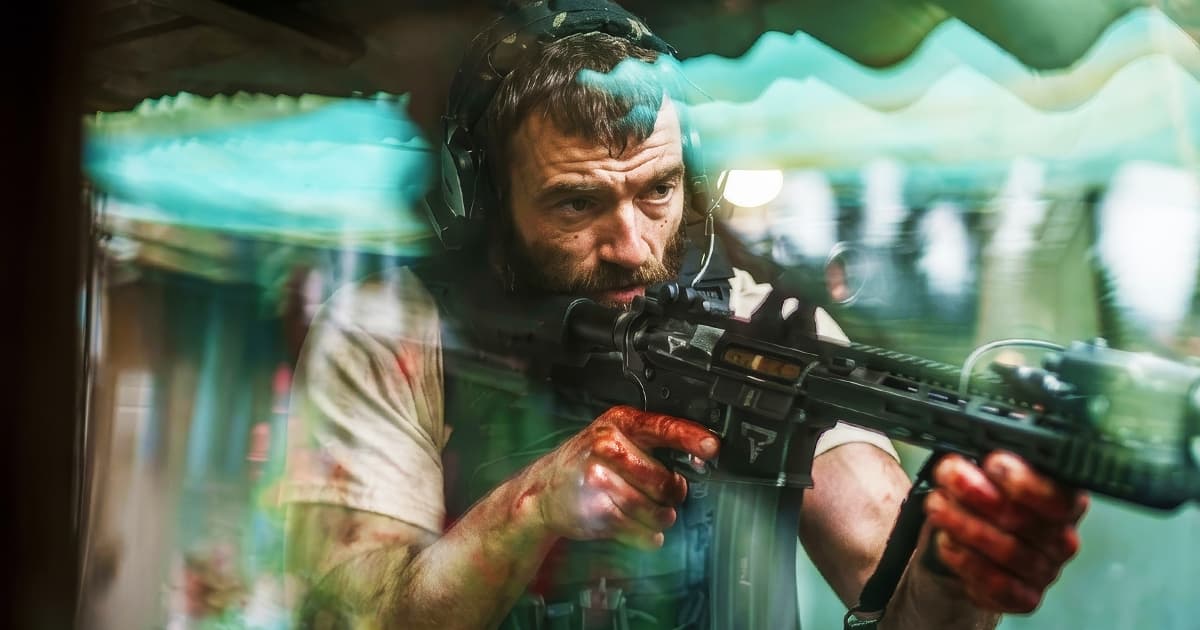
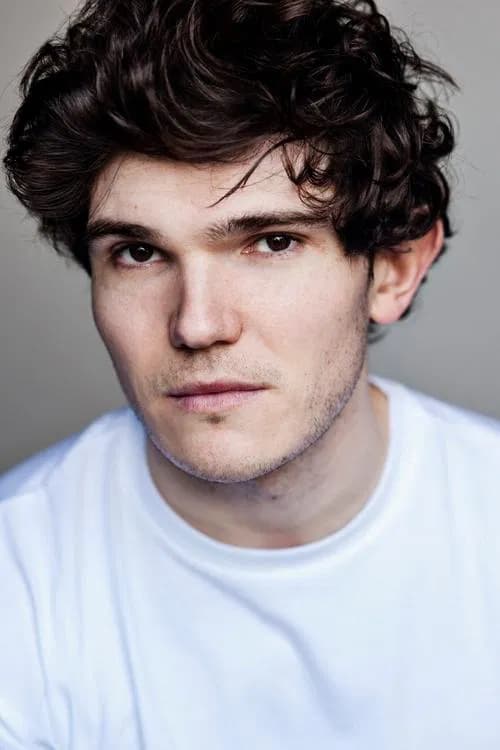
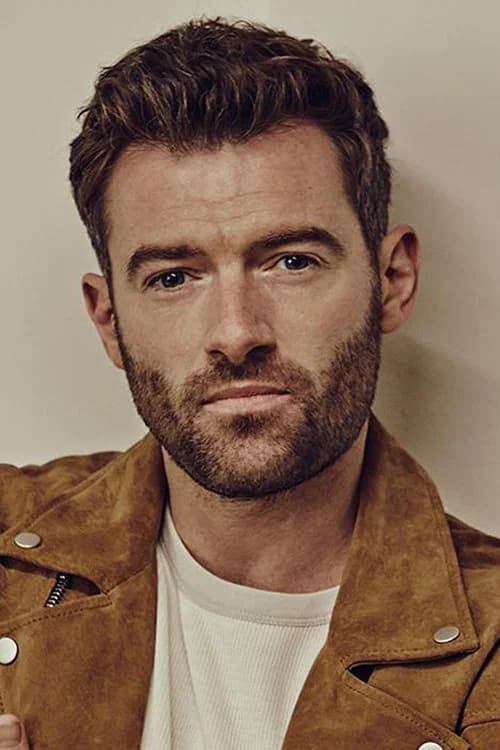
What is the film, exactly. Stuart Martin plays a former DEA agent whose brother and sister-in-law are murdered in an unnamed South American country, their kids trafficked in the aftermath. He goes hunting for the children and for revenge, teaming up with a combat photographer, played by Fra Fee, who happened to shoot the killings on camera.
JoBlo's own review, filed by Chris Bumbray, landed somewhere in the middle of the pile-on. He called it pure, unfiltered Snyder, for better and for worse, writing that the good in the film slightly edges out the bad without quite winning over anyone who was already skeptical of the director. He flagged the imagery and a score featuring Hans Zimmer as the film's stronger cards, while conceding the movie won't convert doubters.
What happens next is the open question. The Last Photograph hasn't found a studio or streaming home yet, which means the Toronto crowd and the online commentariat are, for now, the only people who've actually seen it. Whether the noise around Snyder helps or hurts that search for a distributor is anyone's guess.
Snyder, for what it's worth, seems to have made peace with the pattern repeating itself. "I don't want to say it's cool," he said of the backlash cycle, "but it has to exist in some ways." Whether TIFF audiences beyond the first 1,200 ever get a say is still up in the air.

Be the first to comment
Join the argument. No password, just your email or a passkey.