The cyberpunk epic James Cameron spent years developing before handing to Robert Rodriguez is now finding fresh audiences through premium video-on-demand.
Seven years after it left theaters, Alita: Battle Angel is having a moment nobody quite predicted. The 2019 sci-fi epic is now showing up on premium video-on-demand, per Collider, giving a film that never got the franchise treatment its makers wanted a shot at the audience it always had waiting in the wings.
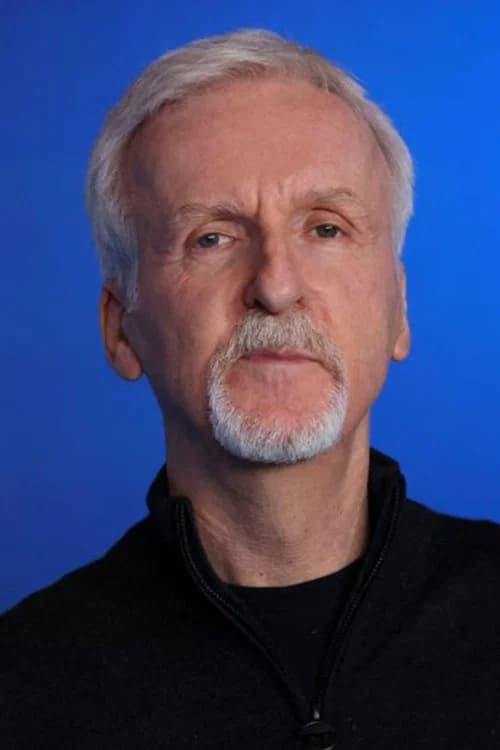
The project has a longer history than most people remember. James Cameron spent years developing Alita himself before eventually stepping back and handing directing duties to Robert Rodriguez. That's an unusual move for a filmmaker who built his career on controlling every frame of Terminator, Aliens and Avatar. But the film that emerged was still recognizably his in ambition, a sprawling adaptation of the cyborg-heroine story built around visual effects that pushed hard against what was technically possible in 2019.
Rosa Salazar carried the title role as Alita, a deactivated cyborg who wakes up with no memory of who she was and has to piece her identity back together across a dangerous, class-divided Iron City. Christoph Waltz played the doctor who takes her in. The supporting cast reads like a whos-who of mid-2010s prestige TV and film: Mahershala Ali, Jennifer Connelly, Ed Skrein, Jackie Earle Haley, Keean Johnson and Lana Condor all had roles orbiting Salazar's performance.
What's interesting is how split the response was, and still is. Critics gave the film a 61% on Rotten Tomatoes, praising the effects and Salazar's motion-capture work while flagging a story that struggled to hold together. Audiences disagreed hard, pushing the same site's audience score to 91%. That gap between what critics saw and what viewers felt has only widened the film's cult reputation since 2019, with calls for a sequel never really dying down even as the studio moved on.
The box office numbers tell a similarly two-sided story. Alita: Battle Angel pulled in roughly $405 million worldwide, a number that sounds solid until you factor in the production budget and marketing spend that came with a film this scale. It wasn't a flop by any stretch. It also wasn't the launchpad for a multi-film universe that Cameron and Rodriguez were clearly building toward, with the film's open-ended finale still unresolved on screen.
What streaming and PVOD availability actually does for a sequel's chances is anyone's guess. Studios have greenlit follow-ups on thinner signals than a cult title finding new eyeballs years later, and Alita's audience numbers have always suggested a fanbase larger than its initial theatrical run reflected. Whether that translates into Cameron or Rodriguez getting the call to finish what they started is still an open question, and neither has said anything new on it. For now, the film gets to make its case to a different generation of viewers, one PVOD rental at a time.




Be the first to comment
Join the argument. No password, just your email or a passkey.