The 1381-set period drama needs roughly $50 million worldwide to clear its reported $20 million budget, and it hasn't opened overseas yet.
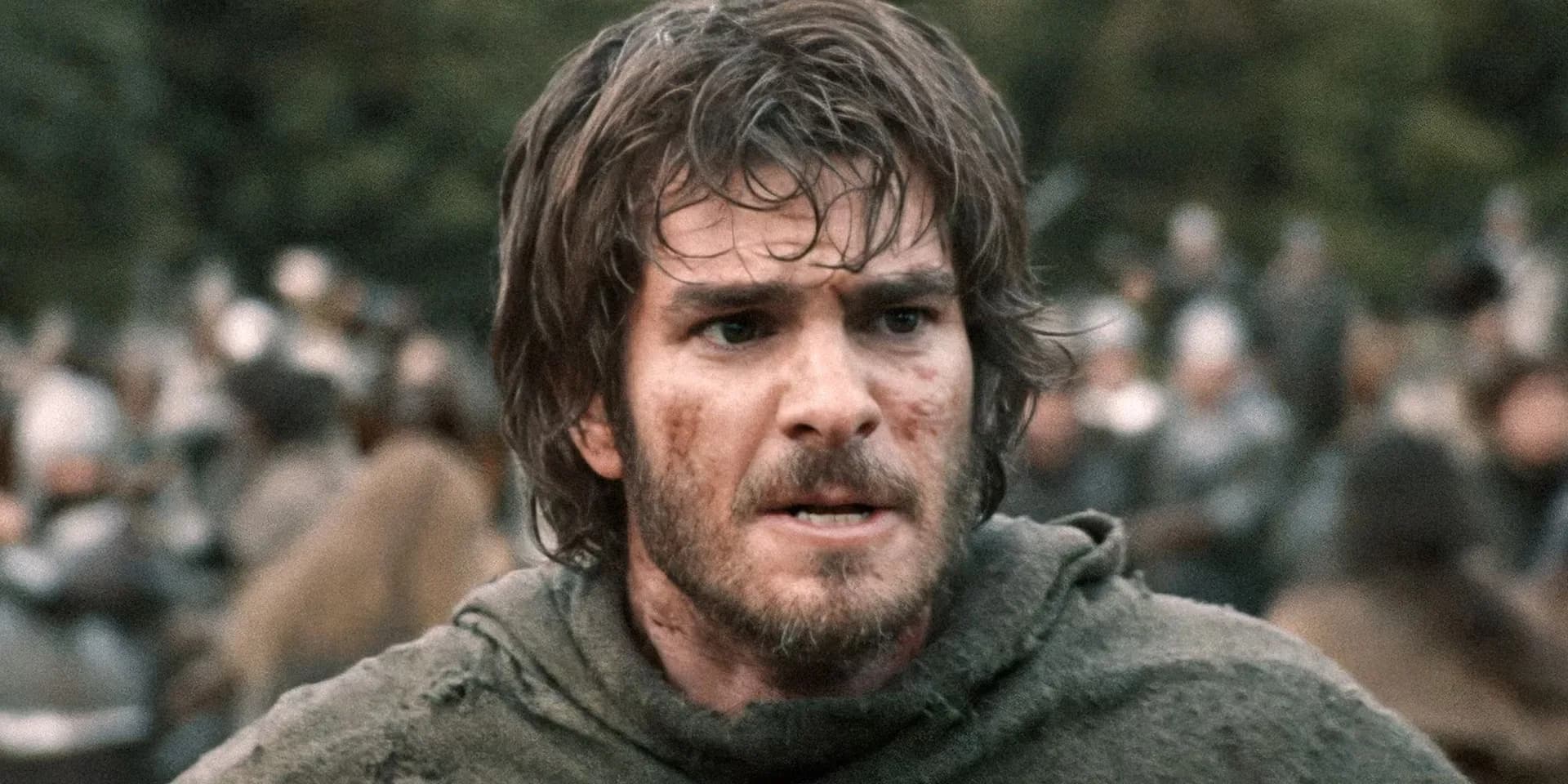
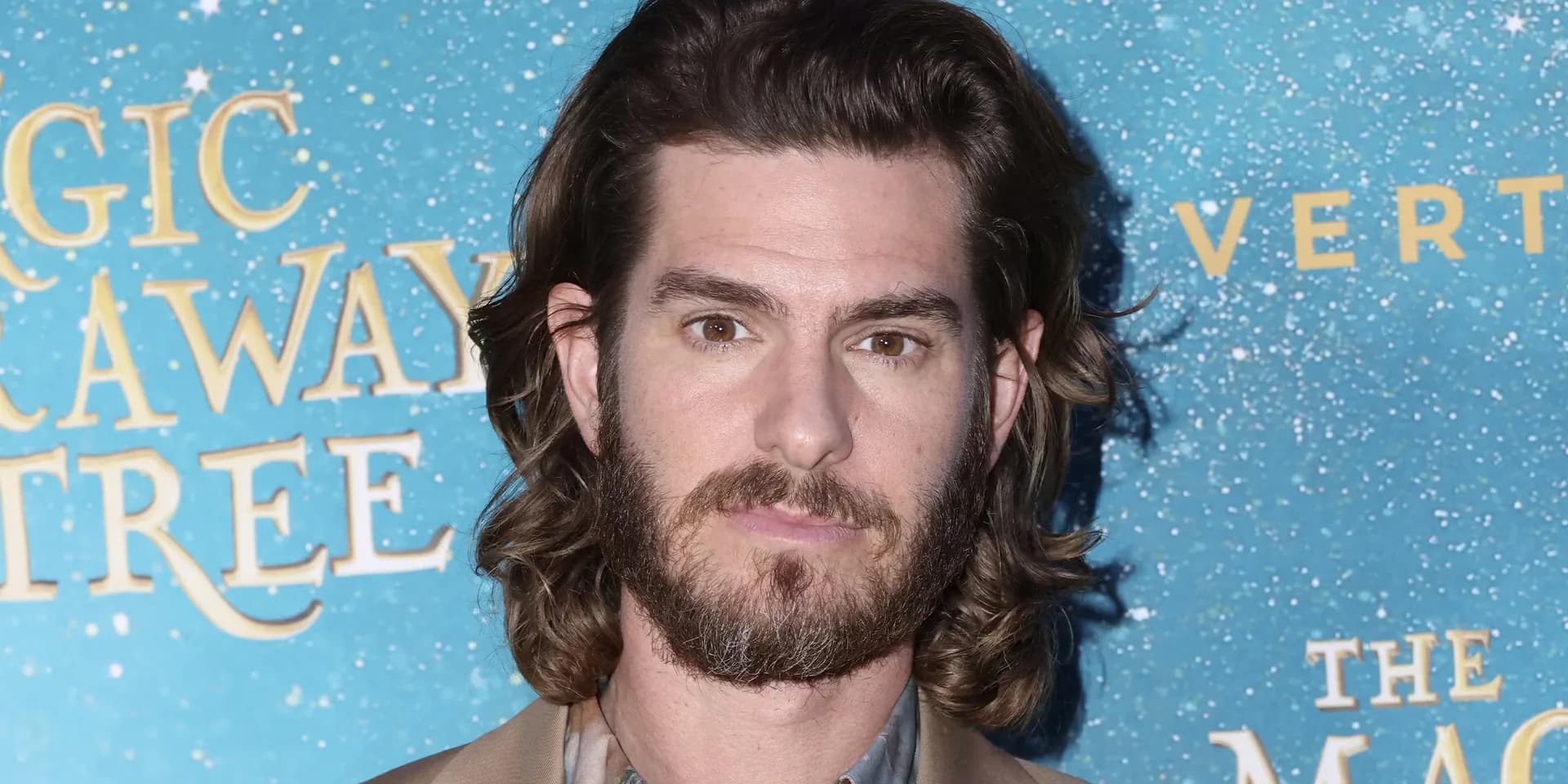
Andrew Garfield's 1381-set period drama The Uprising has stumbled out of the gate in North America, and the arithmetic isn't kind.
The film opened to $3.3 million across 2,068 theatres, landing at a modest eighth spot on the domestic chart, according to Box Office Mojo figures cited by Koimoi. By Tuesday, a discounted ticket day that usually gives numbers a bump, it had added $475,000, a 60.5% jump over Monday, pushing the running total to $4.08 million.
It hasn't opened anywhere else yet. No international rollout means there's no overseas cushion to soften the domestic figures, and Koimoi notes the film currently has minimal buzz working in its favour.
Here's the thing that could still save it. The Uprising was made cheap by studio standards, a reported $20 million. Run that through the industry's usual 2.5x break-even multiplier and the film needs to pull in roughly $50 million worldwide to get into the black. That's not a steep ask on paper. But it does need an international release to even get into that conversation, and right now there isn't one on the books.
Reviews have run mixed to poor from critics. Audiences, per reports, responded better to the film's historical grounding, calling it an immersive if heavy piece of work, though the ending reportedly left several cold. The verdict has leaned towards a worthwhile watch rather than a miss, just not one that's translating into tickets sold.
The story follows a grieving plowman in 1381 England who, having lost his family to the Black Death, turns against a crushing tax regime and falls in with Wat Tyler and John Ball as the Peasants' Revolt gathers pace, laying groundwork that later folklore would fold into the Robin Hood legend. It's a big historical canvas for a film currently playing to half-empty houses.
The cast list runs deeper than the box office suggests it should. Jamie Bell, Stephen Dillane, Tom Hollander, Cosmo Jarvis, Thomasin McKenzie, Jonny Lee Miller, Woody Norman and Katherine Waterston round out the ensemble alongside Garfield.
What Happens Next
The film released domestically on September 11, so it's barely a week old, and word of mouth still has room to shift things. But an $8 million-odd opening week against a $50 million break-even target is a hole that needs digging out of fast. Whether distributors move on international dates, and whether that eighth-place domestic debut climbs at all in week two, will decide if this one turns a profit or just quietly recoups what it can.



Be the first to comment
Join the argument. No password, just your email or a passkey.