Theja Rio’s debut feature, set in 1960s Nagaland, captured the Platform award at TIFF, securing a place in the race for Best International Feature.
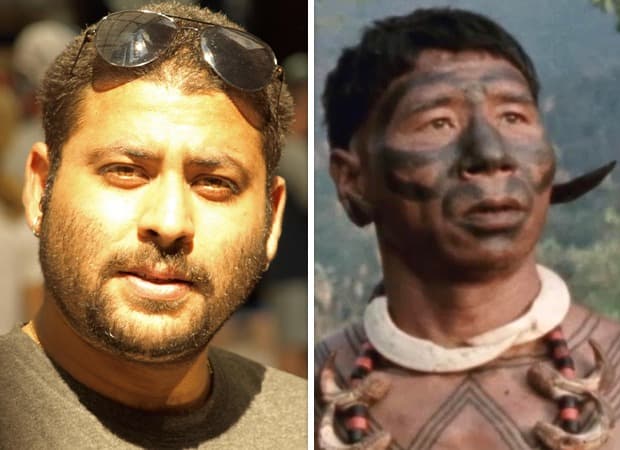
The Toronto International Film Festival has handed its top Platform honour to “Angh”, the first full‑length effort from Indian director Theja Rio. The film, which unfolds in the remote hills of Nagaland during the early 1960s, follows a stoic tribal chief as an American missionary arrives with promises of medicine and salvation. By winning the Platform competition, “Angh” automatically qualifies for the Academy’s Best International Feature category, thrusting a story rooted in a little‑known corner of India onto the global awards circuit.
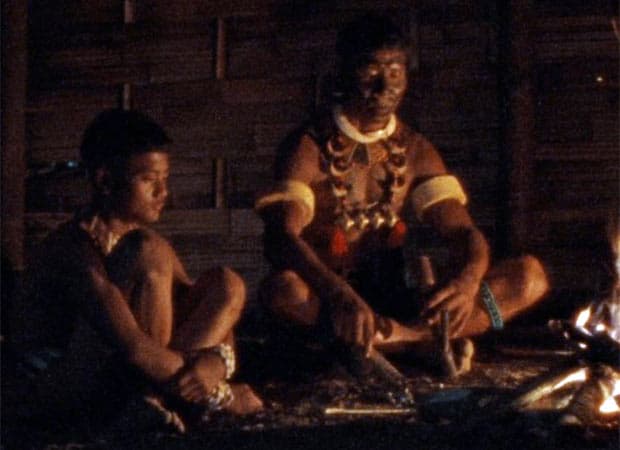
Rio first explored the same terrain in a 2021 short, but the feature expands the premise into a slow‑burn meditation on cultural erosion. The narrative centres on Anghba – the elder chief of the Konyak tribe – who is still grieving his wife’s death. His only remaining kin, a mute son named Amao, becomes fascinated by the newcomers’ western attire and the nearby Baptist settlement, setting up a clash between tradition and modernity.
The opening sequence throws the audience into the chief’s world: a hunt for wild boar is interrupted by a raft carrying a jovial American preacher, played by Douglas Henshall. The scene juxtaposes the chief’s bow and arrow with the missionary’s Bible, underscoring the uneasy meeting of two worlds. Rio treats the missionaries’ good intentions with a measured skepticism, showing how even benevolent aid can feel like an intrusion when it arrives on foreign terms.
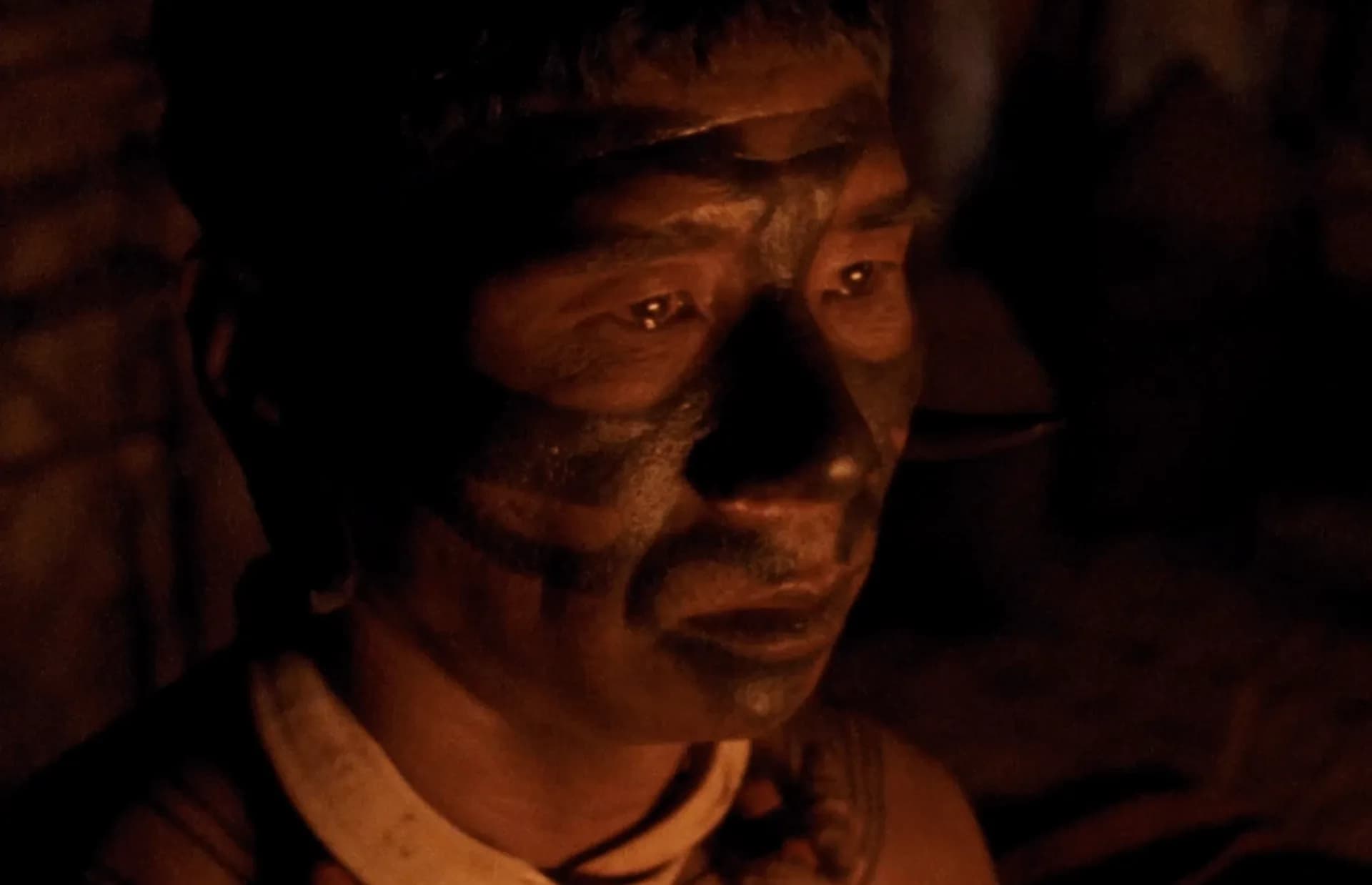
A striking element of “Angh” is its use of non‑professional actors drawn from the Konyak community, lending an authenticity that polished casts often lack. Anghlong Konyak, who portrays the titular chief, anchors the film with a quiet intensity that mirrors his character’s stubborn resistance to change. The cinematography, handled by Adam Pietkiewicz, embraces 16mm grain, allowing scratches and dust to become part of the visual texture, echoing the film’s theme of decay and resilience.
Critics have noted the film’s refusal to romanticise either side. While the missionary’s crusade is shown as well‑meaning, it is also steeped in the language of a foreign saviour, creating a subtle power imbalance. Meanwhile, the tribe’s rituals – even the grim practice of beheading the dead for remembrance – are presented with a tenderness that invites empathy rather than revulsion.
“Angh” does not attempt to comment on post‑independence India at large. Instead, it hones in on a micro‑story of a community on the brink of transformation. For viewers accustomed to glossy period pieces, the chief’s obstinacy may feel alien, but Rio’s deliberate pacing and dream‑like interludes aim to immerse the audience in a world where memory and loss are palpable.
With its Platform win, the film now rides a wave of festival buzz toward the Oscar shortlist. The next step will be a limited release in key markets, followed by a broader push for Academy voters. Whether “Angh” can translate its festival triumph into awards season momentum remains to be seen, but its presence signals a growing appetite for stories from India’s far‑flung frontiers.



Be the first to comment
Join the argument. No password, just your email or a passkey.