Producer-distributor Gaurav Dhingra says Angh's spot among just twelve competition titles at TIFF gives it roughly a 9% shot at automatic Oscar qualification, with an India release timed to that buzz.
A film shot in Konyak, a language most of India has never heard on screen, is about to walk the biggest stage in North American festival cinema. Angh, set in Nagaland in the 1960s, premieres at the 51st Toronto International Film Festival on September 16 at 6:30 am IST, and it's doing so in the competition section, up against just eleven other titles.
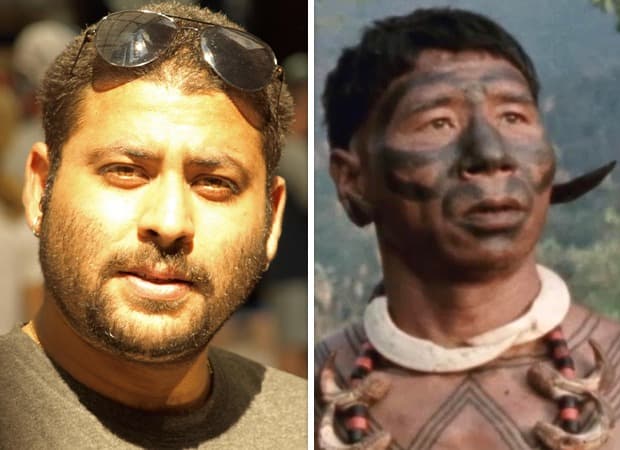
That number matters more than it sounds. Gaurav Dhingra, who runs Jungle Book Studios and is handling the film's sale and marketing, told Bollywood Hungama in an exclusive interview that the competition's winner automatically qualifies for the Oscars. Do the math on twelve contenders, he said, and Angh is sitting at roughly a 9% chance of an Oscar route opening up. He was candid about the arithmetic being just that, arithmetic, not a prediction.
Dhingra isn't new to films that travel further than their budgets suggest. He's worked on Mangal Pandey, Delhi-6, Angry Indian Goddesses and last year's Stolen, and he brought up Angry Indian Goddesses specifically. That film played theatrically in 77 countries before Netflix picked it up. Stolen went to Prime Video as a global deal, not a India-only license. Jungle Book's whole pitch, per Dhingra, is backing Indian stories built to travel rather than films that only make sense in one market.
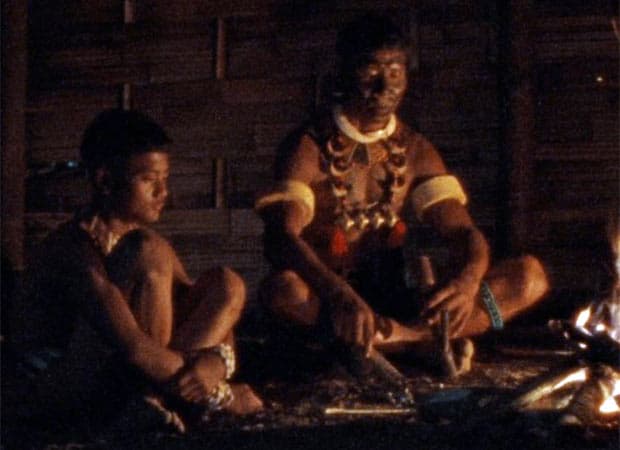
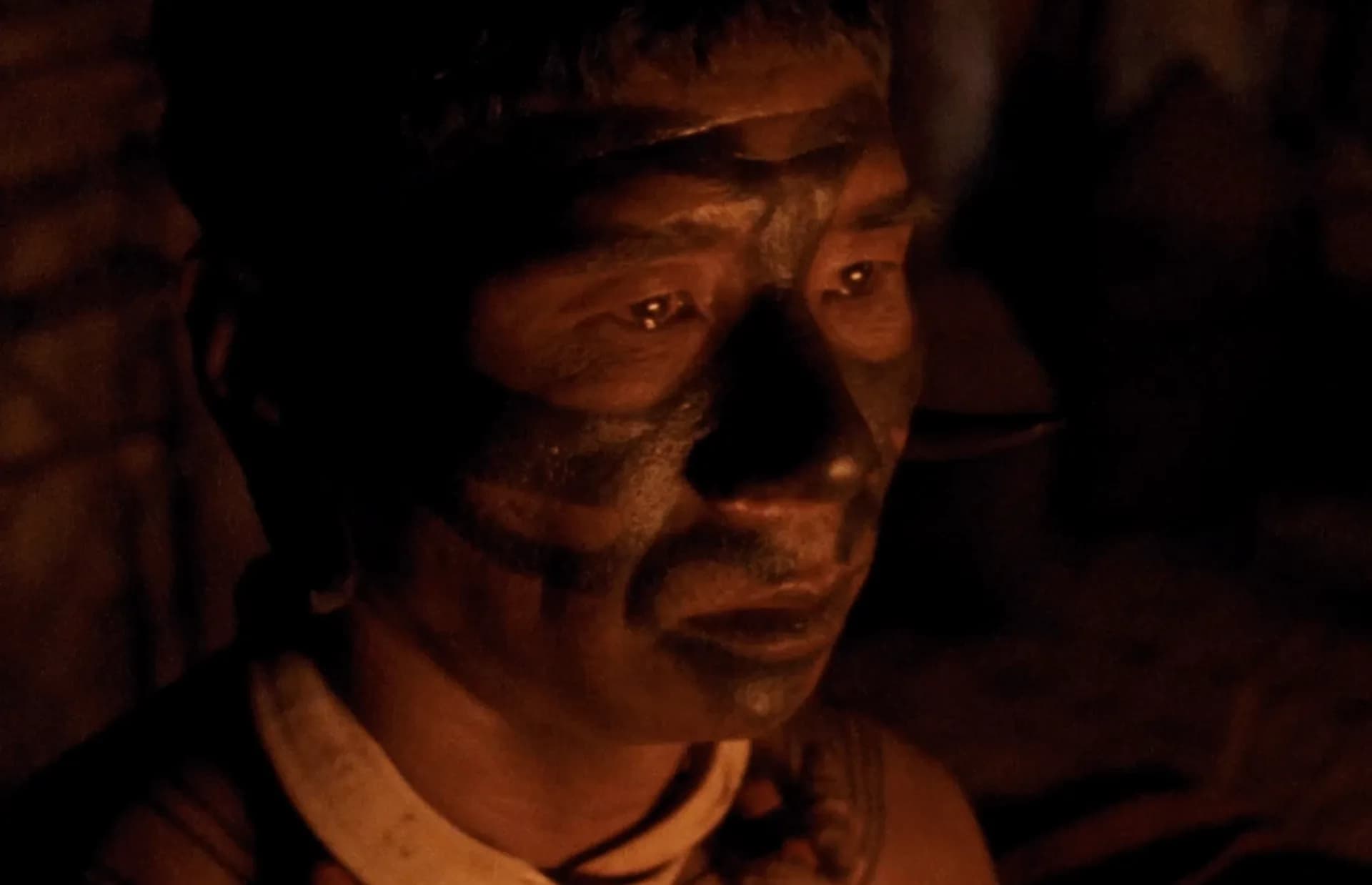
Angh itself is a father-son story wrapped around something bigger. It's produced by Nancy Nisa Beso and set against the arrival of Christian missionaries in Nagaland, a shift that Dhingra says turned the region into one of the most heavily baptised places in the world over roughly 150 to 200 years. The father in the film heads a tribe with a head-hunting past. The clash between old tribal order and the hospitals, schools and new social structures that came with the missionaries forms the film's backdrop.
No India date yet, and that's deliberate
There's no confirmed India release. Dhingra says that's by design. The plan is to let the film's Oscar journey, if there is one, dictate timing, so the release lands when awareness is at its highest. Failing that, whatever momentum Angh picks up elsewhere will decide the call instead.
He's also blunt about why films like this usually vanish in Indian multiplexes without anyone noticing they released at all. Star-driven marketing eats all the oxygen, he argues, and exhibitors aren't running a charity. Theatre operators lease their spaces, pay rent, salaries and electricity bills regardless of what's playing, so they'll naturally favour whatever sells tickets. His counter isn't more online spend, which he calls too cluttered to cut through cheaply anymore. It's localized, on-ground marketing, the kind he compares to a band routing an actual India tour rather than dropping a film and hoping.
Whether that plan survives contact with a TIFF verdict is the next thing to watch. The premiere is barely a day away.

Be the first to comment
Join the argument. No password, just your email or a passkey.