The Colleen Hoover adaptation lands on October 2, but critics say the film’s glossy look and uneven performances leave the mystery feeling hollow and contrived.
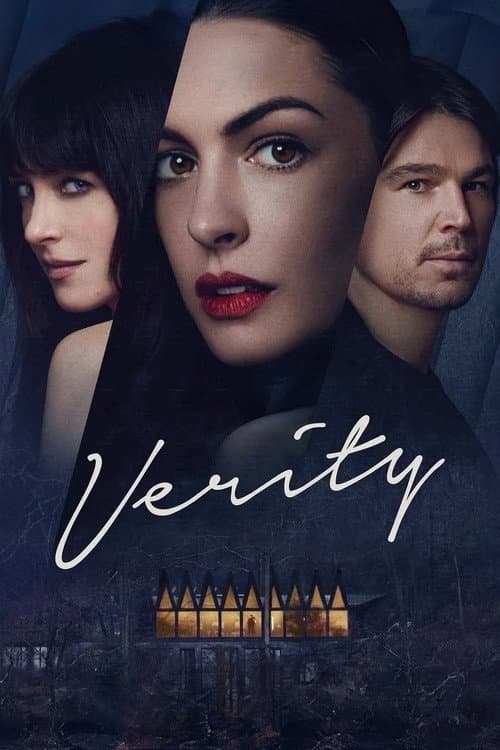
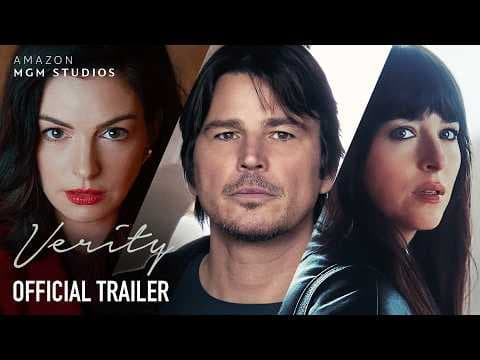
The new thriller Verity opens in Indian theatres on October 2, bringing together Anne Hathaway, Dakota Johnson and Josh Hartnett in a high‑budget adaptation of Colleen Hoover’s bestseller. From the first frame, the picture leans heavily on glossy production design and a score that tries to mimic classic horror cues, but the result feels more like a surface‑level showcase than a deep‑seated mystery.
Why the adaptation falls flat
Both The Hindu Entertainment and The Hollywood Reporter note that the film’s visual flair overshadows the story’s core. Director Michael Showalter opts for jump‑scary edits and a synth‑laden soundtrack that echo The Shining and Final Destination, yet the atmosphere never settles into genuine dread. The screenplay, penned by Nick Antosca, strips the novel’s psychological layers, replacing them with straightforward plot beats that leave little room for nuance.
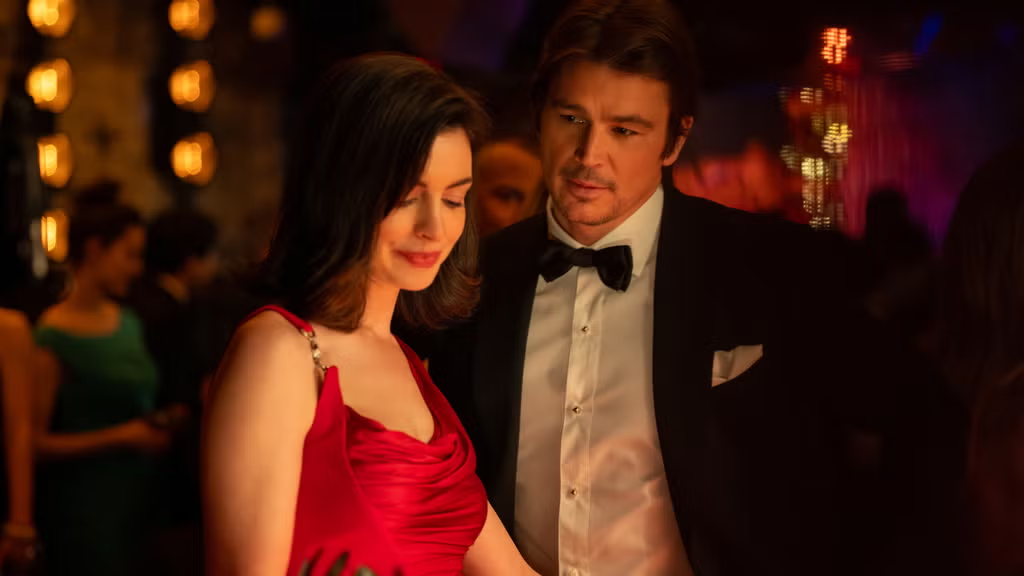
Dakota Johnson plays Lowen, a struggling writer hired to finish the work of the comatose author Verity Crawford (Hathaway). Critics point out that Johnson’s delivery feels detached, with a “resting bored face” that makes her character’s curiosity appear forced. The Hindu’s review calls her performance “unsettling” in a way that fails to engage, while The Hollywood Reporter describes her as “checked out” and even jokes about her eating pizza without conviction.
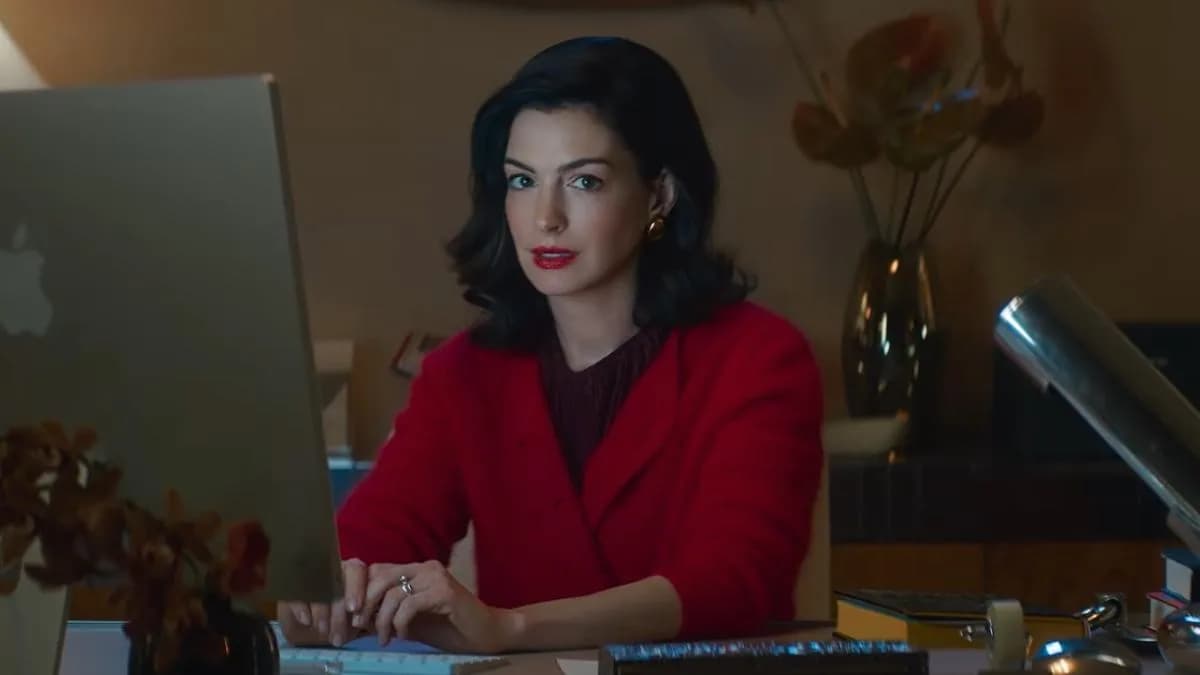
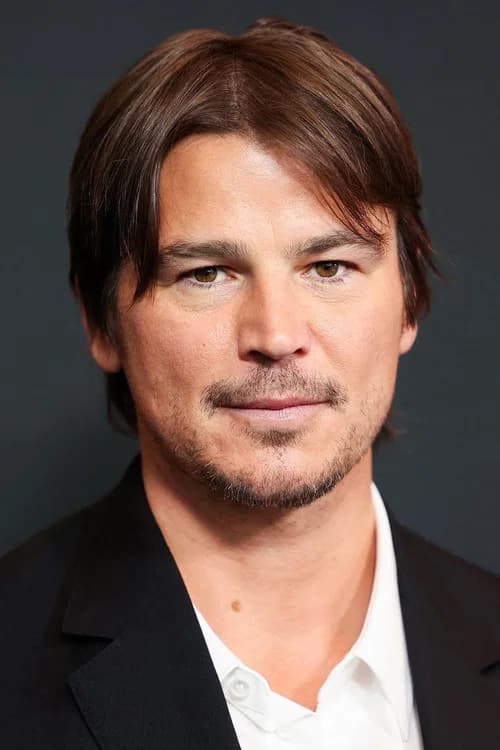
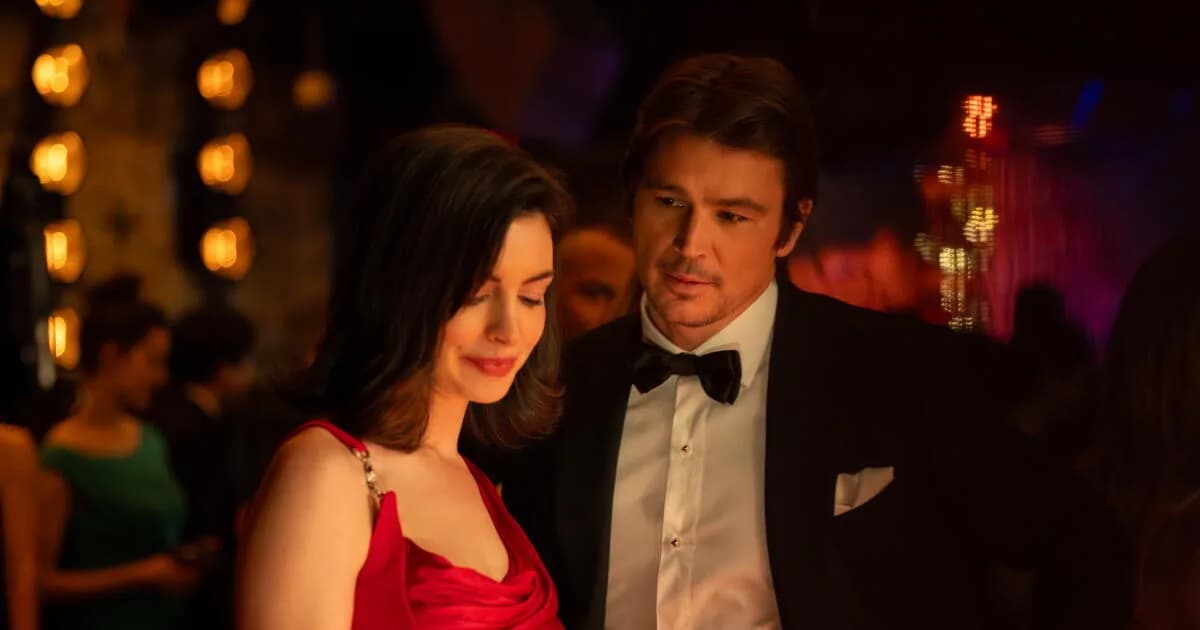
Josh Hartnett’s Jeremy Crawford, the husband who offers Lowen a white shirt after a blood‑splattered accident, is meant to be the film’s smoldering anchor. In practice, reviewers say his presence feels uneven, lacking the rhythm needed to carry the thriller’s tension. Hathaway, largely confined to a wheelchair, appears in flashbacks that feel more like set pieces than character moments, leaving her enigmatic potential untapped.
The narrative hinges on a secret manuscript discovered in Verity’s sleek home office, promising a twist that could upend the truth‑versus‑fiction theme. Instead, both outlets argue the reveal lands with the impact of a cheap trick, prompting more questions than answers. The Hollywood Reporter likens the film to a “palest of Gone Girl imitations,” while The Hindu notes the script’s reliance on voice‑overs that explain rather than show.
Even the film’s cameo roster — featuring Gayle King, Alex Cooper and Sean Evans, feels like a gimmick rather than an organic addition. The Hollywood Reporter mentions these bits as “amusing details,” but they do little to elevate the pacing, which stalls after the first hour.
In short, Verity arrives with star power and a sizable budget, yet the final product feels more like a B‑grade thriller dressed in designer clothes. The combination of flashy visuals, a thinly written script and performances that never fully commit results in a movie that may entertain briefly but leaves the audience craving the depth the source material promised.
The film’s ending, described as a “shoulder‑shrug” by one critic, offers little resolution, leaving viewers to wonder whether the manipulation of truth was ever meant to be taken seriously. As the credits roll, the lingering impression is that Verity could have been a compelling exploration of authorial control, but it settles for a glossy, hollow ride.
Fans of Hoover’s novel may still want to see how their favorite characters translate to the screen, but those looking for a tight, suspense‑driven thriller might walk away disappointed.



Be the first to comment
Join the argument. No password, just your email or a passkey.