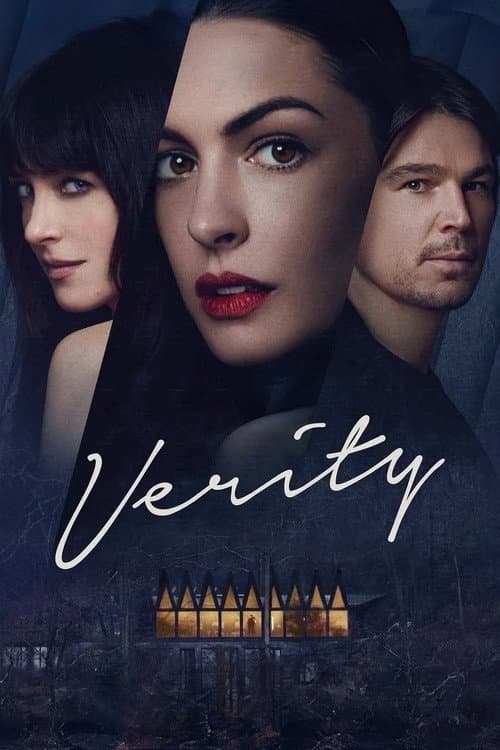
Anne Hathaway’s Verity isn’t a woman. She’s a legend. And the film that carries her name is the most dangerous Colleen Hoover adaptation yet.
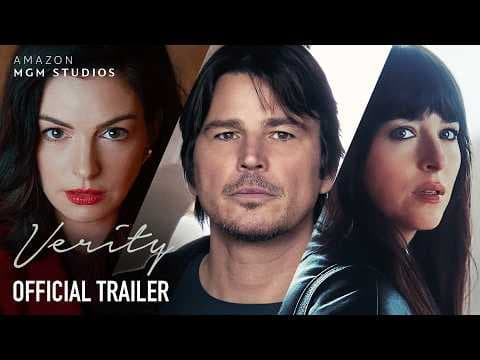
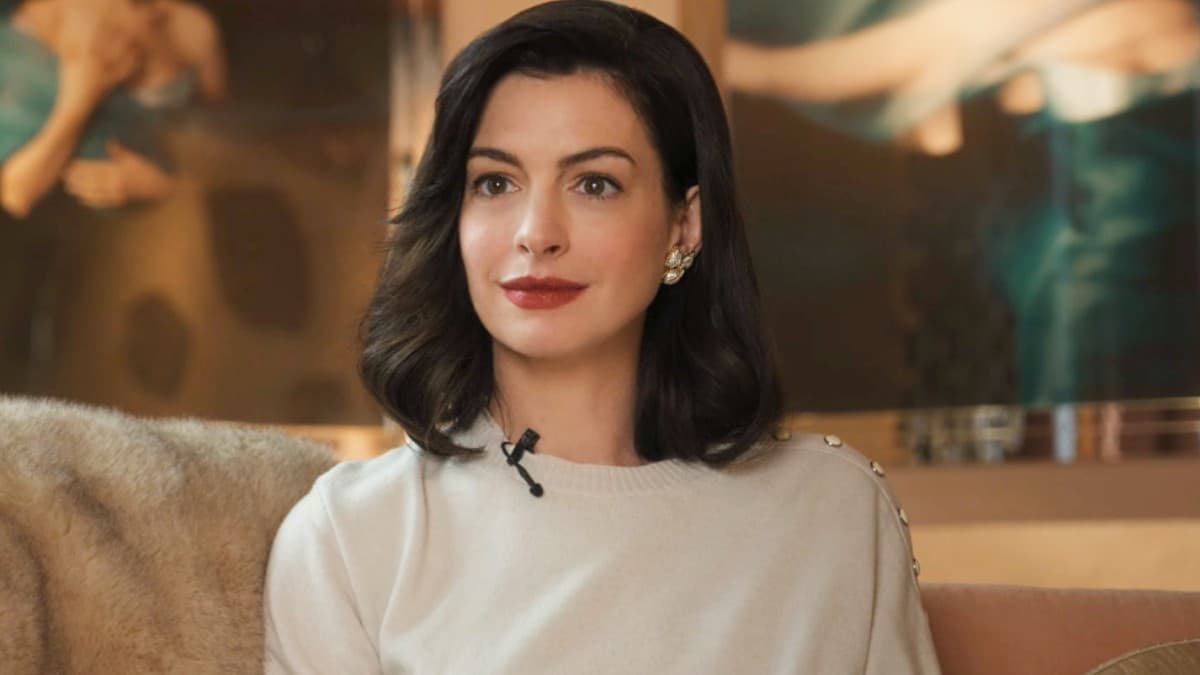
Verity hits screens Friday — and with it, the most stylish Colleen Hoover adaptation yet. Not a tear-jerker, not a romance, but a full-throttle, red-lit descent into obsession, identity, and the lies we tell ourselves to feel whole. Anne Hathaway doesn’t just play Verity. She is her, even when she’s motionless in a hospital bed.
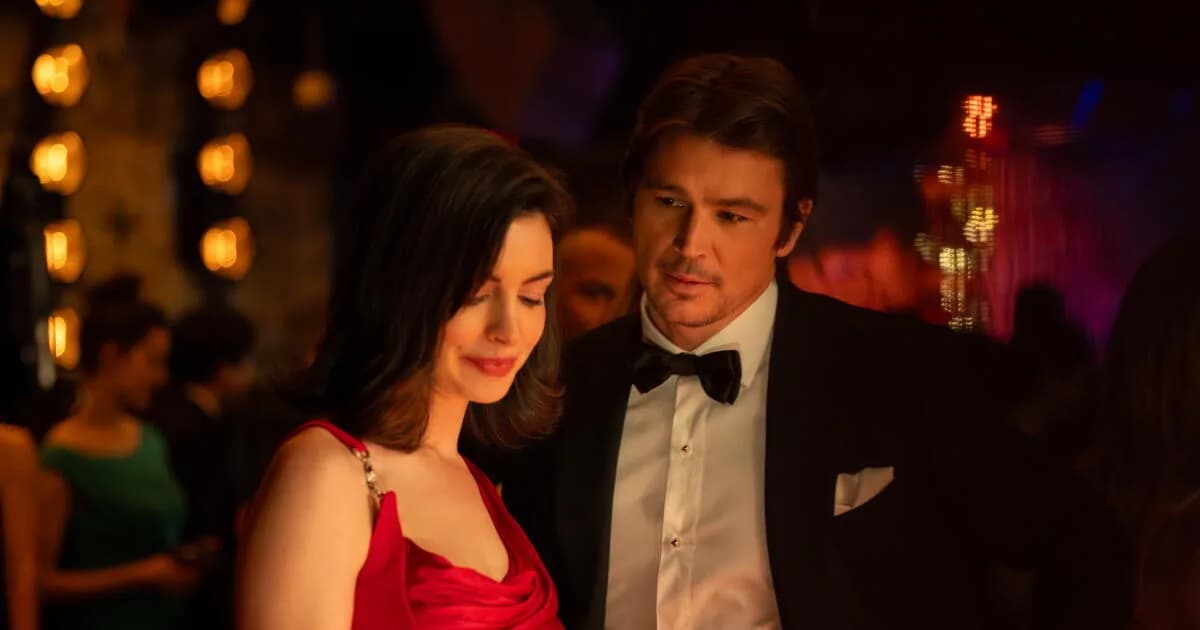
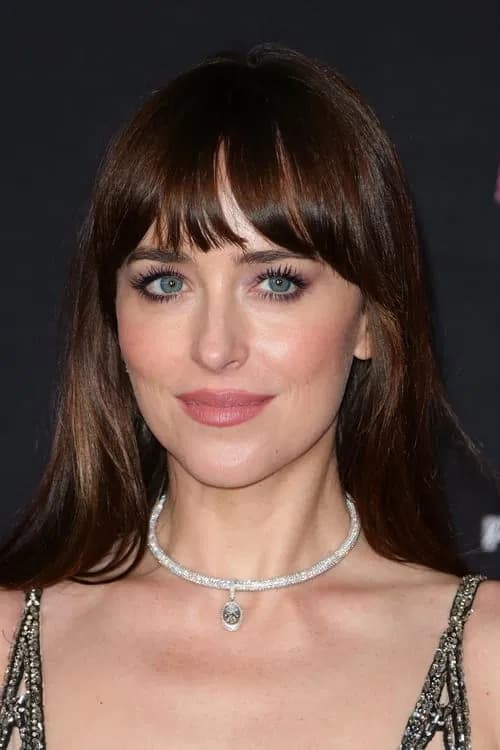
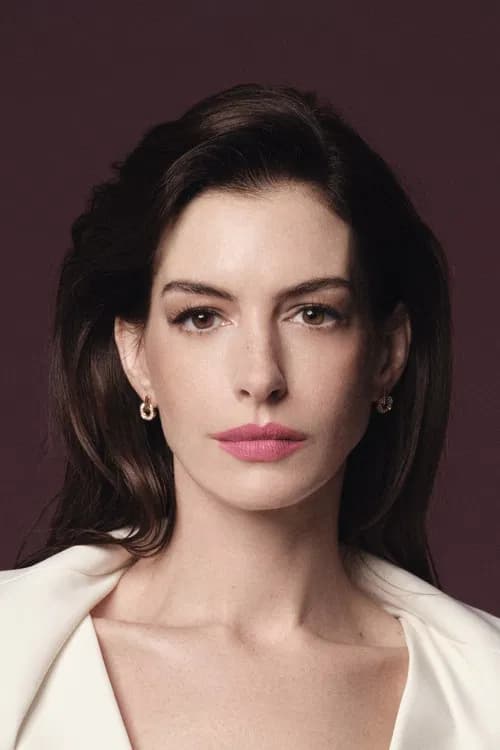
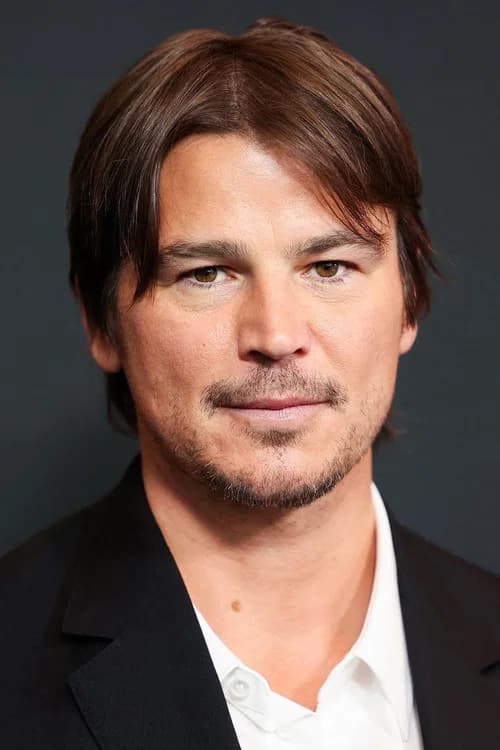
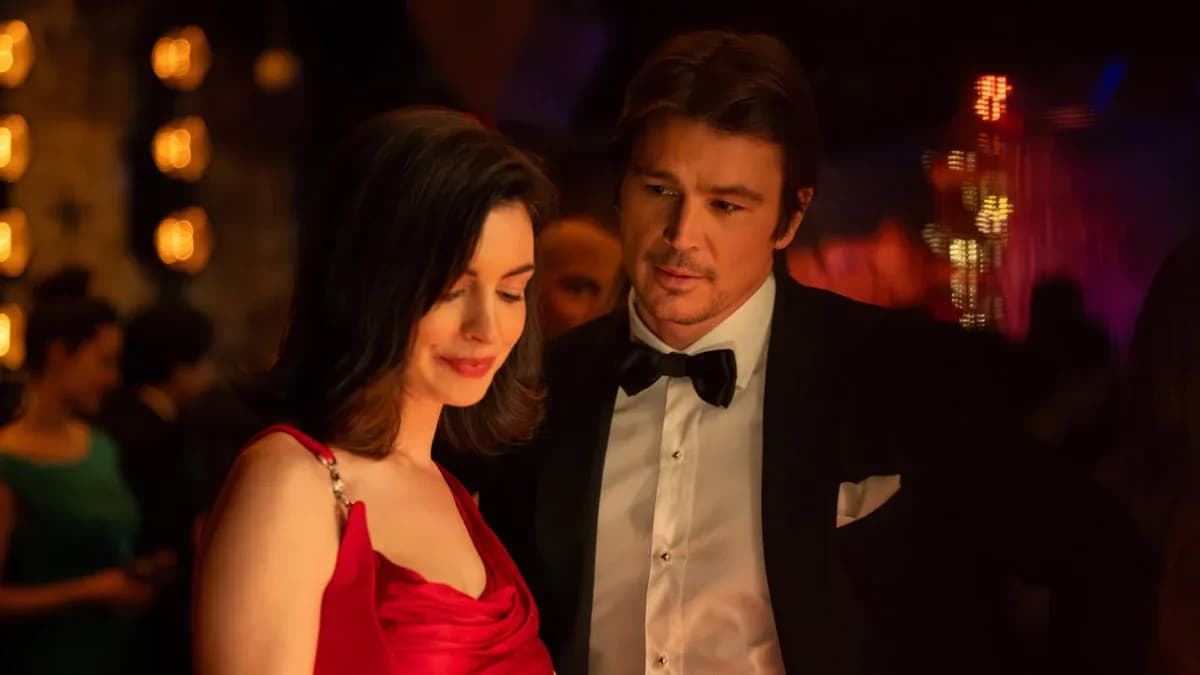
Her performance is a masterclass in stillness, a woman who speaks through glances, a voice that lingers in the air long after she’s gone. Dakota Johnson, as the wide-eyed writer Lowen Ashleigh, is equally precise: dry wit masking desperation, seduction layered over insecurity. And Josh Hartnett? He’s the man caught between two women who are never really separate.
One is alive. The other is already dead. Or maybe both are pretending to be one or the other. That’s the game here.
A throuple built on fiction. On fantasy. On a book no one can finish. The film’s plot hinges on a secret manuscript.
Verity’s unedited truth, and what happens when someone else starts writing it. But the real story isn’t what’s in the pages. It’s what’s left out. Why did Verity stop writing?
What happened in that car crash? Who’s really in control of the house? The answers aren’t given. They’re hinted at, whispered, buried under layers of design and performance.
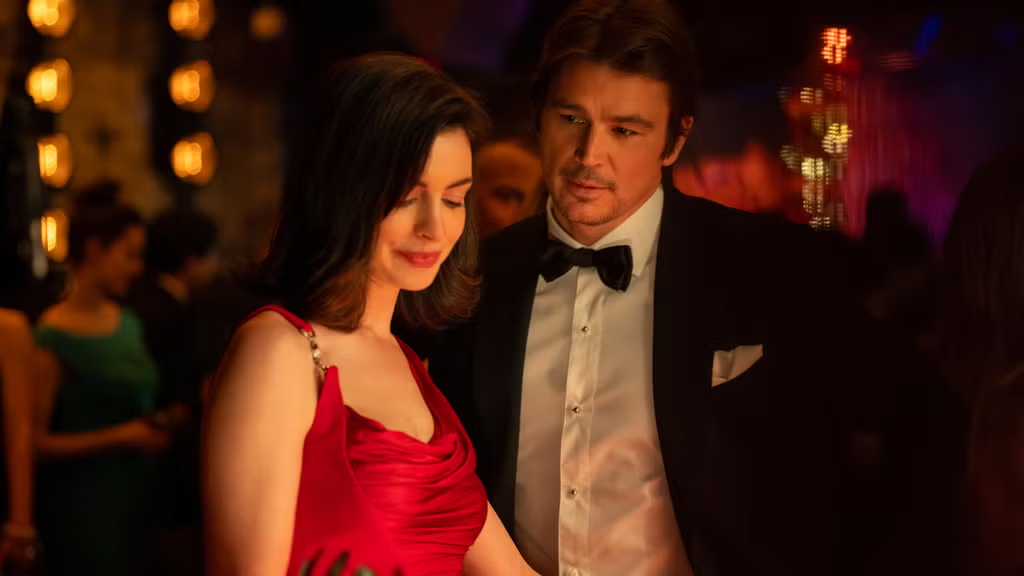
Director Michael Showalter, known for comedy, pulls off something rare: a melodrama that knows it’s melodrama, but still makes you believe in its madness. The Vermont mansion is a character. All warm wood, heavy curtains, and shadows that move when they shouldn’t. Every frame feels like a painting from a forgotten era.
The script, by Nick Antosca, keeps Hoover’s wild turns but sharpens them. No time for slow burns. Just twists, gasps, and the kind of emotional whiplash that leaves you checking your own reflection. This isn’t a movie about love.
It’s about possession. About becoming someone else so completely that you forget who you were. And yes, there’s nudity. There’s violence.
There’s blood. But none of it feels gratuitous. It’s all part of the ritual. The film’s R rating isn’t for shock value, it’s for the weight of what’s being said, quietly, without words.
So why does this version work when others didn’t? Because it doesn’t try to be sincere. It leans into the camp. The absurdity.
The glamour. It’s not trying to be serious. It’s trying to be true. To the idea of truth.
To the myth of the self. The final shot lingers. No explanation. No resolution.
Just a woman in red, sitting in silence. And the question remains: was she ever real? Or was she always just a story? The answer, like everything else in Verity, is up to you.
Opens Friday, October 2.

Be the first to comment
Join the argument. No password, just your email or a passkey.