Avatar: Seven Havens drops on Paramount+ this Friday — three episodes live October 9, with the rest rolling out weekly. The new animated series, created by Michael Dante DiMartino and Bryan Konietzko, lands exactly 12 years after The Legend of Korra ended. Set 225 years later, it’s a world reborn in pastels and paranoia. No more nations. No more Republic City. Just seven walled havens, each clinging to survival behind stone and sand. And at the center of it all? Two avatars. Twins. One hidden. One discovered. Pavi (Saheli Khan) and Nisha (Aishu Devan), earthbenders born into a society that fears the Avatar as a curse, not a savior. Their story begins not with fire or war, but with silence. A nine-year-old girl bending both earth and air, something no one has seen since Aang. Then comes the twist: she’s not alone. Her twin sister, thought lost for years, is also the Avatar. The revelation isn’t shouted. It’s whispered. Hidden. Because in Ellora, the wind-and-sand haven, the Avatar isn’t a symbol of hope. She’s a threat. The Brigade, the bender militia, conscripts every talent they can find. Airbenders now thrive, yes. But only because Korra reopened the spirit world. But even that legacy is poisoned. The people don’t remember her as a hero. They blame her. For what happened. For the shattering. For the Harshlands. The show doesn’t explain it yet. Not fully. That’s the point. Book 1, subtitled 'Survival', leans into mystery. Why did the world break? Why were the twins separated? Why does Pavi have a missing leg? What’s the red energy spreading through the city like ink in water? It looks like Vaatu. But it’s not him. Not yet. Or maybe it is. The tone is softer than Korra. Less political. More mystical. No nation wars. No colonial echoes. Instead, tension lives in glances, in hushed conversations, in the way Karthik (Akshay Khanna), an airbender and White Lotus member, trains Nisha in secret while Jae (Major Curda), his younger counterpart, stumbles upon Pavi’s truth. Together, they’re trying to keep two avatars alive without triggering mass panic. The animals are back, Geet and Ruhi, cat-monkeys voiced by Dee Bradley Baker. Adorable. Loyal. Always watching. The art style is a shock. Pastel skies. Cotton-candy ruins. A world painted in dream logic. Nothing feels familiar. Even the costumes. The Brigade uniforms, the civilians’ robes, are stripped of identity. No nation colors. No cultural markers. Just survival. The action is smart, not flashy. The twins bend all four elements early, but their power isn’t about dominance. It’s about balance. About connection. When they fight together, it’s not just elemental fusion. It’s emotional resonance. The first six episodes are tight, deliberate. No rush. No exposition dumps. Just quiet moments: a shared glance, a hand reaching across a wall, a laugh in the dark. There’s comedy too. Lightness. Progressiveness. Relationships that breathe. And then there’s the finale. A single line. A single truth. It changes everything. The creators aren’t just revisiting the Avatar universe, they’re redefining it. This isn’t a sequel. It’s a reset. A new beginning. With a new kind of Avatar. Twin. Young. Unprepared. But ready. The question now isn’t whether they’ll save the world. It’s whether the world will let them try. October 16 brings episodes 4–6. The next week, episode 7–9. By October 30, the full arc unfolds. The wait ends. The legend continues. But this time, it’s not one child. It’s two. And they’re not just saving the world. They’re rebuilding it.
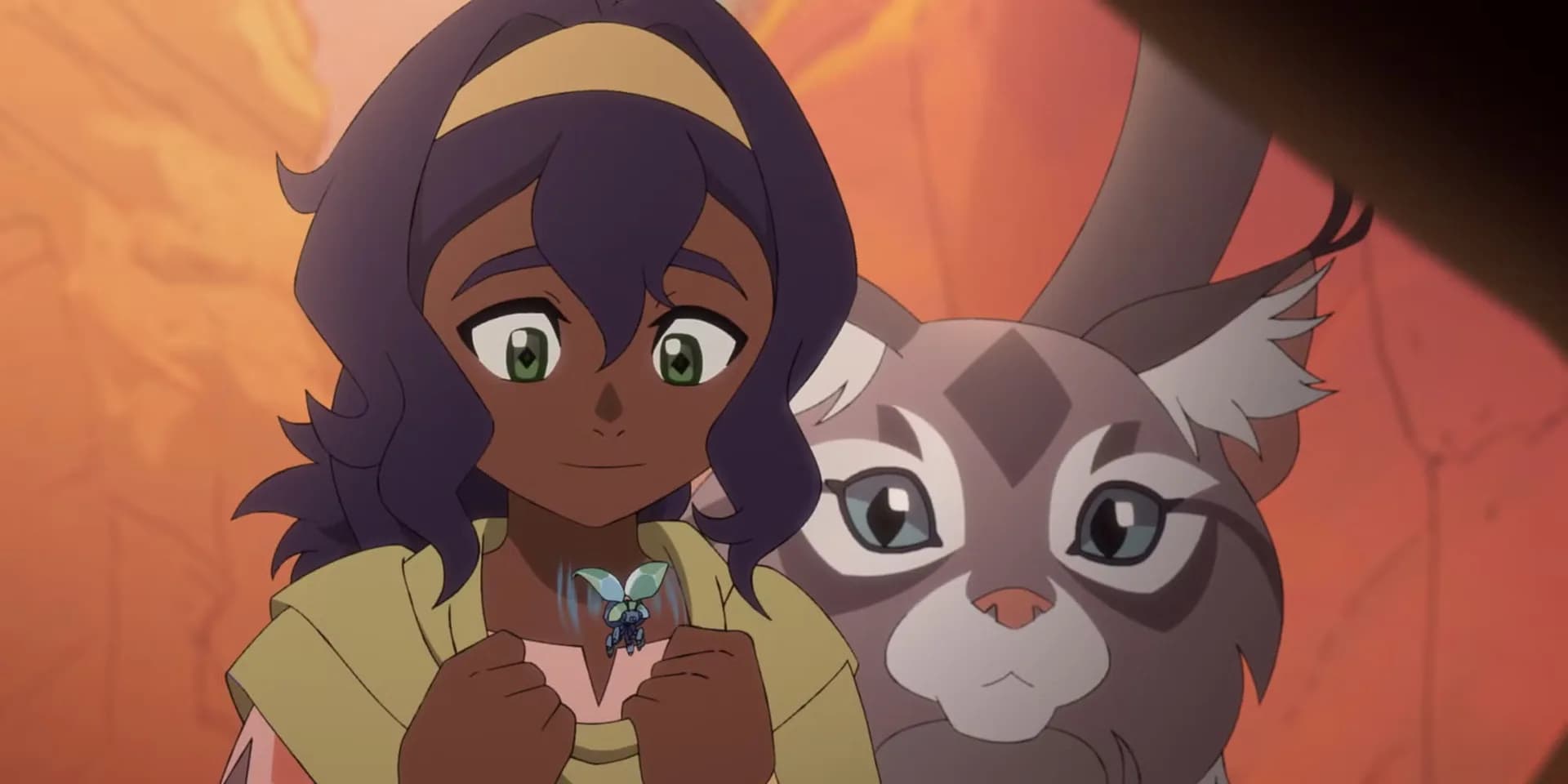 Photo via Collider
Avatar: Seven Havens Begins With Two Avatars, A World in Wreckage
Two avatars. One world. A pastel apocalypse. Avatar: Seven Havens premieres October 9 on Paramount+.
Live site hype
around 2 reading right now · 373 today
Reported from
- Collider — Paramount+'s 'Avatar: Seven Havens' Is a Refreshing New Look at the Classic Fantasy Franchise | Review
- JoBlo.com — Avatar: Seven Havens TV Review: Twin Avatars Take the Franchise in a Bold, Refreshing New Direction
This article was written by the CutMirchi desk from the reporting above. Facts are attributed to their original publishers.
Read next
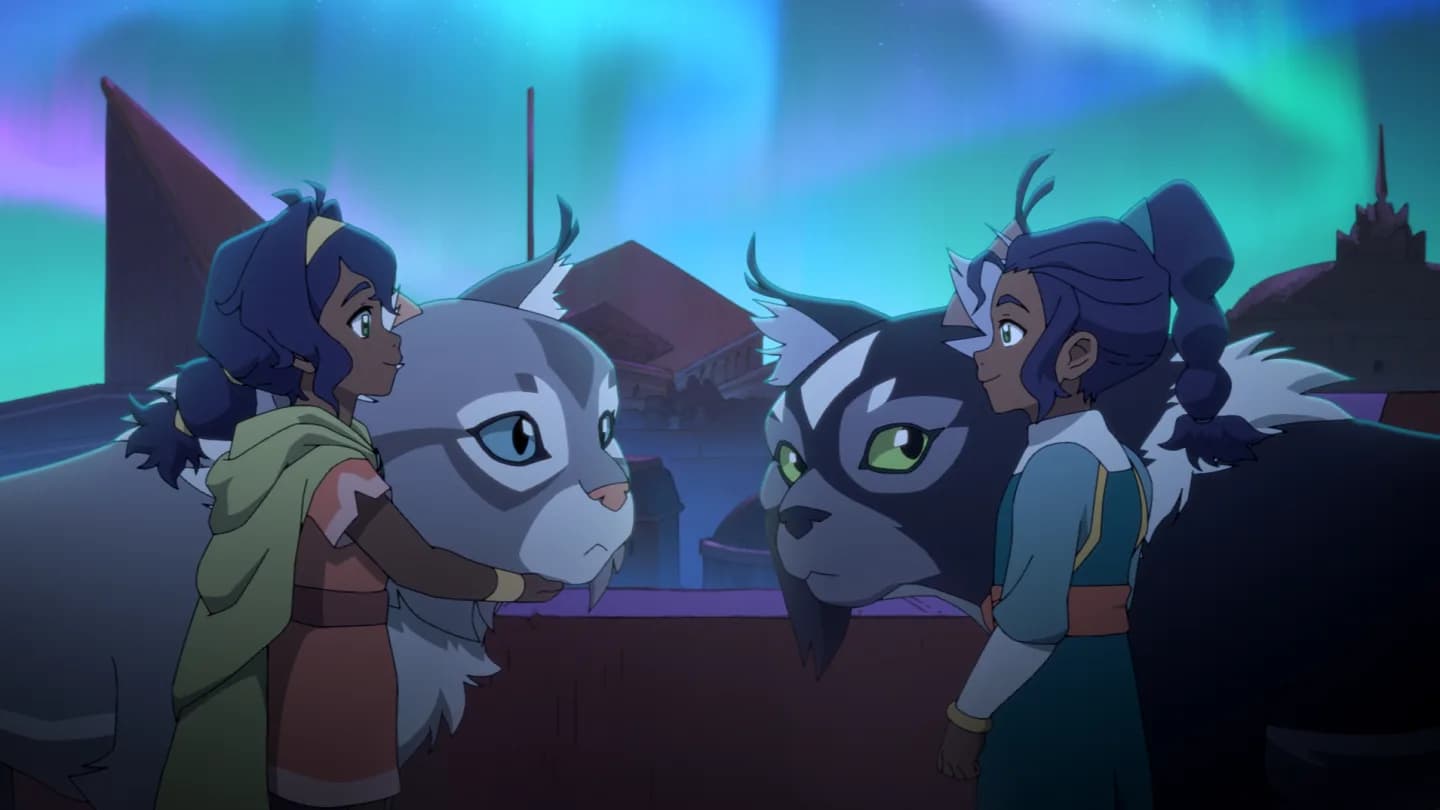
Avatar: Seven Havens Returns With a New Child, a Broken World, and a Question No One Can Answer
Avatar: Seven Havens premieres on Paramount+ this Friday, with the first three episodes streaming now. Created by Michael Dante DiMartino and Bryan Konietzko, the series is set nearly 200 years after The Legend of Korra and follows Pavi (Saheli Khan), a 10-year-old orphan from Ellora who discovers she’s the long-lost Avatar. The world is scarred by environmental collapse, the four nations are gone
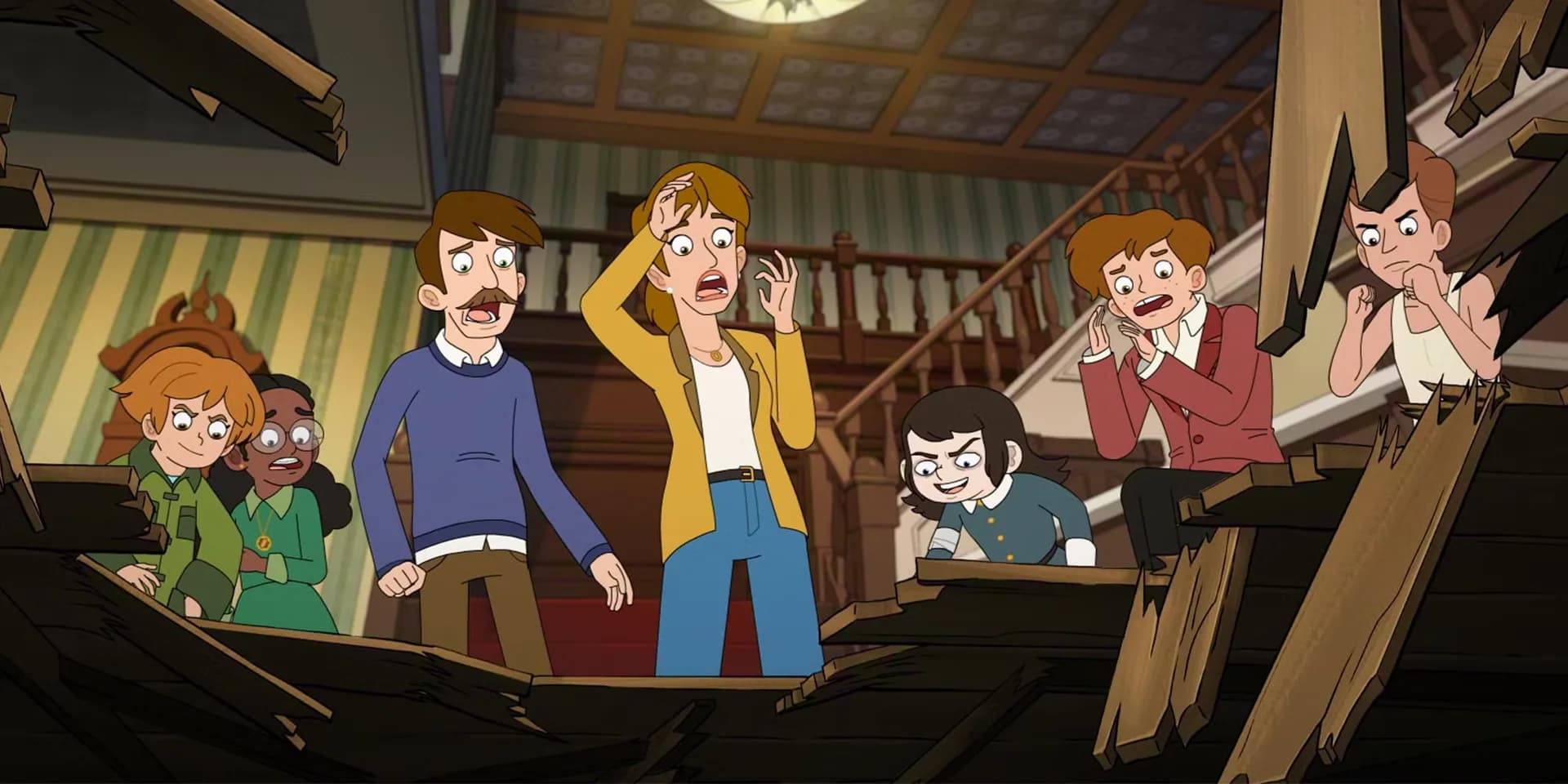
Haunted Hotel Season 2 Review: Netflix’s Animated Horror Comedy Is Surprisingly Tender
Haunted Hotel Season 2 proves that the scariest thing isn’t a ghost. It’s loving someone who can’t be found.
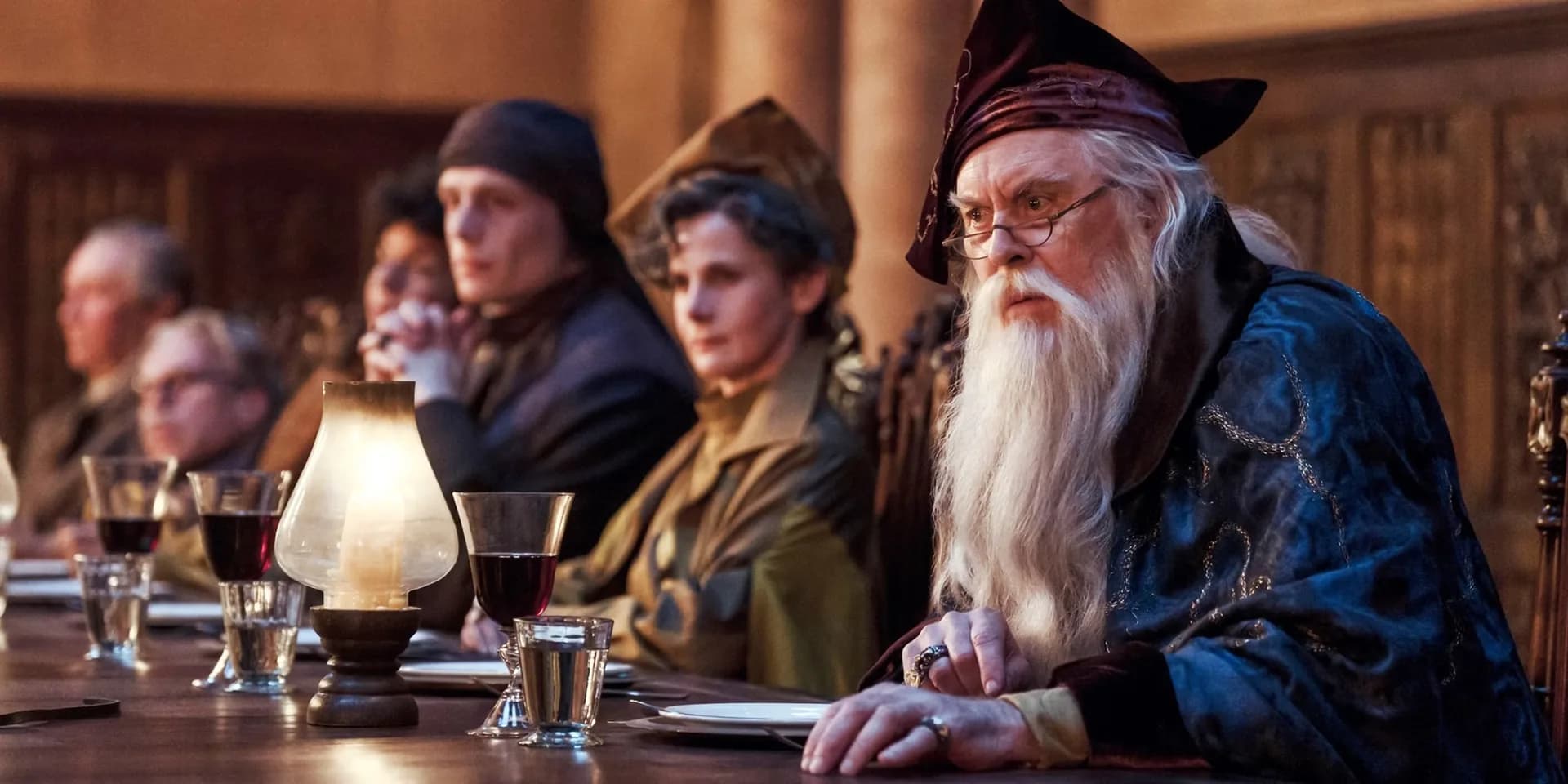
Harry Potter Series Moves to Paramount+ After HBO Merger Plans
The new Harry Potter series is set to premiere on December 25, but not on HBO. Instead, it will stream on Paramount+, following confirmation of a future merger between HBO Max and Paramount+. Cast includes Dominic McLaughlin as Harry, Alastair Stout as Ron, and Arabella Stanton as Hermione.

Tulsa King Moves to New York for Season 5, With Stallone’s Daughter Promoted and Four New Cast Members Added
Tulsa King is heading back to New York — and not just in the story. Season 5 is officially on, with production already underway in Manhattan, a shift from Georgia that’s as much about plot as it is budget.
Be the first to comment
Join the argument. No password, just your email or a passkey.