Avatar: Seven Havens drops on Paramount+ this Friday — the first new chapter in the franchise since The Legend of Korra ended in 2014, and the first to leap two centuries ahead. It’s not a reboot. Not quite a sequel. More like a reckoning with what happens when the world forgets its heroes. And then tries to blame them for surviving it. The show opens with Pavi (Saheli Khan), a 10-year-old scavenger from Ellora, a city-state clinging to life in a sand-scoured wasteland. She doesn’t know she’s the Avatar. Doesn’t want to be. When told she is, that she can bend all four elements. Her reaction isn’t awe. It’s dread. 'I can’t be an avatar. I’m no warrior.' That line lands harder than any fireball. This isn’t Aang. Not even Korra. Pavi’s not here to restore balance. She’s here to survive. The world around her has changed. The four nations are gone. The air is thick with dust storms. The sky bleeds pink and orange. Camels roll into balls like armadillos. Cats have monkey tails. Bending is dying. Fewer people are born with it each generation. And the Avatar? Once a symbol of hope, now a myth used to scare children into obedience. Blamed for a cataclysm, one that may or may not have been caused by Korra herself. The show never confirms it. But the implication hangs heavy. Pavi’s journey begins not with a destiny, but with a missing twin. Nisha (Aishu Devan), fierce and sharp, appears suddenly. A mirror image with a different kind of fire. They don’t remember their past. Only that they were separated. Only that something broke between them. Their bond is immediate, electric. One gentle. One guarded. Together, they’re a contradiction. A question mark wrapped in a promise. The cast is young, yes, but not just for kids. The tone is darker than The Last Airbender, quieter than Korra. There’s no grand war to begin with. Just fear. And the slow creep of truth. Karthik (Akshay Khanna), commander of Ellora’s Bending Brigade, sees potential in Pavi. He believes she can heal what’s broken. Jae (Major Curda), her mentor, is earnest. Daemin (Darren Barnet), the waterbender with a grin and zero depth, adds levity. Geet, the cat-monkey, is already a fan favourite. The animation is lush. The score, by Jeremy Zuckerman, leans electronic. Less orchestral, more pulse. The world feels lived-in. Real. Even the food matters. Kachoris left out by a shopkeeper. Mochi. Kimchi jjigae. Bitter melon. These aren’t set dressing. They’re proof someone still cares about taste, about memory, about small things. Critics got six episodes. The rest drop weekly. No spoilers. But the show’s biggest gamble isn’t its premise. It’s its pacing. It takes time to build. Some moments feel too obvious. The clues are laid bare. Yet there’s a quiet confidence in how it trusts the audience to wait. Because the real story isn’t what happened two centuries ago. It’s what happens next. When Pavi finally stops running. When she looks at the sky and says, ‘I’m ready.’ The first three episodes stream now. The rest come Fridays. The Avatar is back. But this time, it’s not coming to save the world. It’s learning how to live in it.
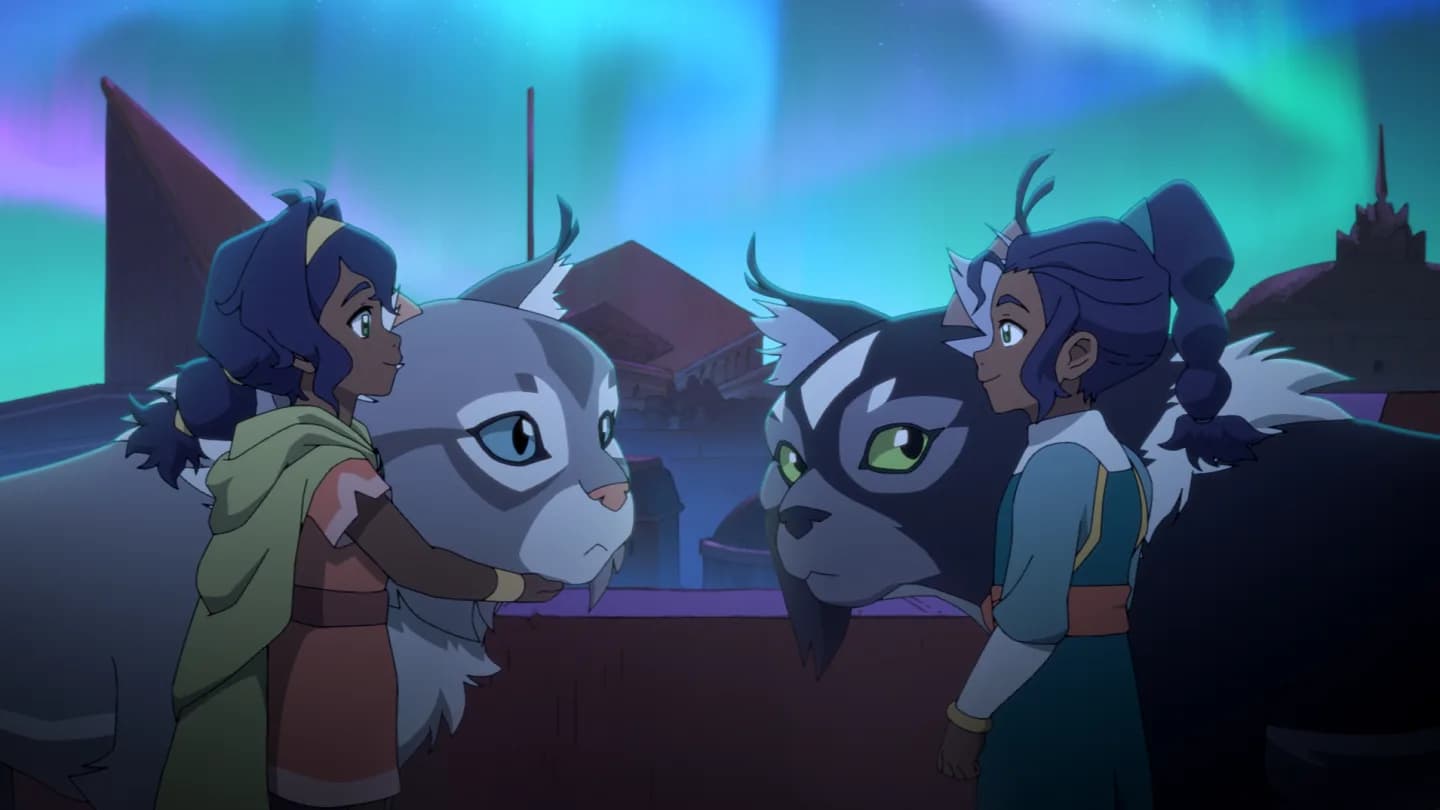 Photo via The Hollywood Reporter
Avatar: Seven Havens Returns With a New Child, a Broken World, and a Question No One Can Answer
The Avatar returns — but not as you remember. Two centuries after Korra, a new child wakes up in a desert ruin, unsure if she’s a saviour or a curse. The series drops Friday.
Live site hype
around 2 reading right now · 140 today
Reported from
- The Hollywood Reporter — ‘Avatar: Seven Havens’ Review: Paramount+’s Promising Addition to a Beloved Fantasy Franchise
- Variety — ‘Avatar: Seven Havens’ Takes the Franchise in an Intriguing, Postapocalyptic New Direction: TV Review
This article was written by the CutMirchi desk from the reporting above. Facts are attributed to their original publishers.
Read next
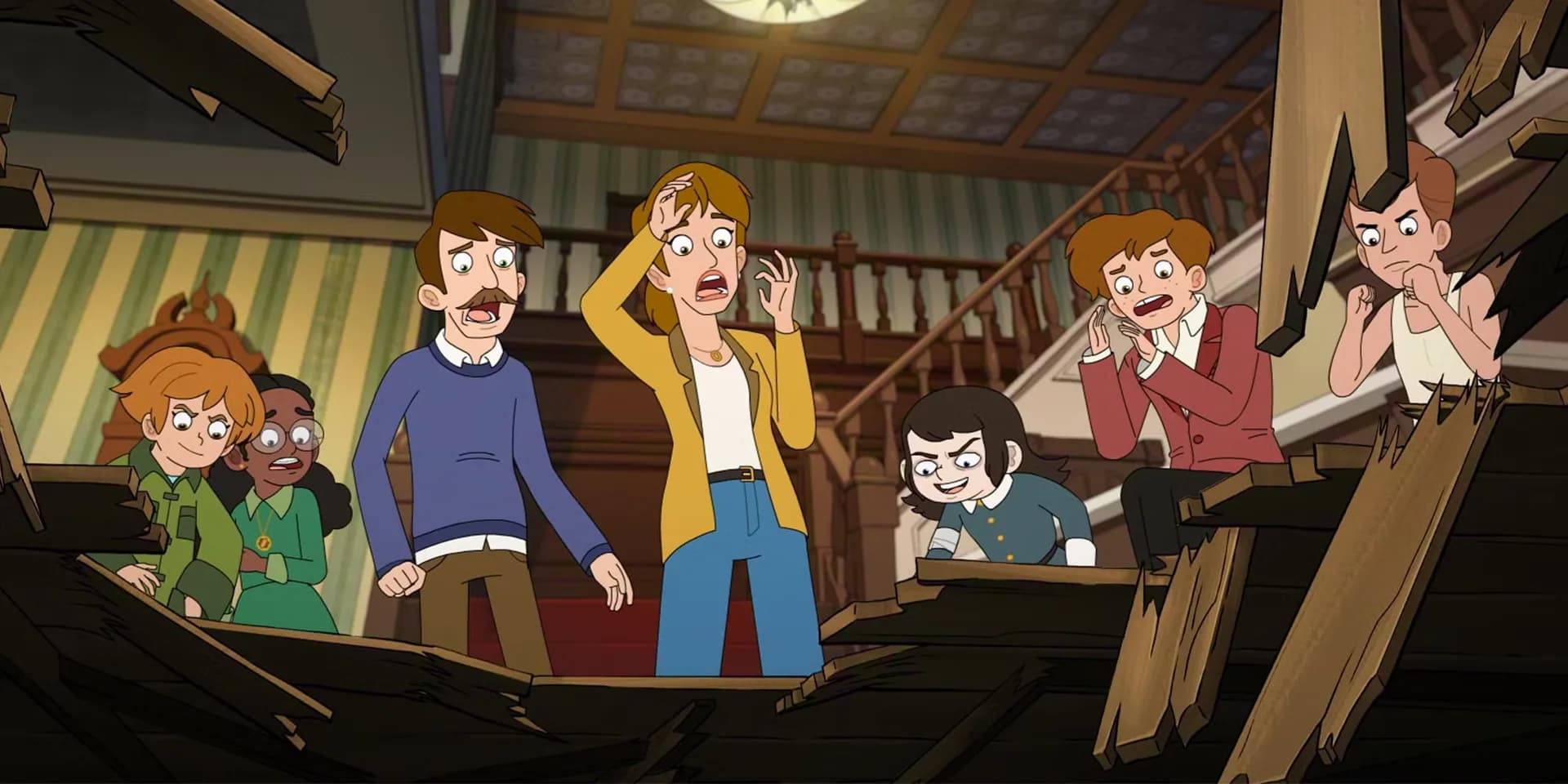
Haunted Hotel Season 2 Review: Netflix’s Animated Horror Comedy Is Surprisingly Tender
Haunted Hotel Season 2 proves that the scariest thing isn’t a ghost. It’s loving someone who can’t be found.
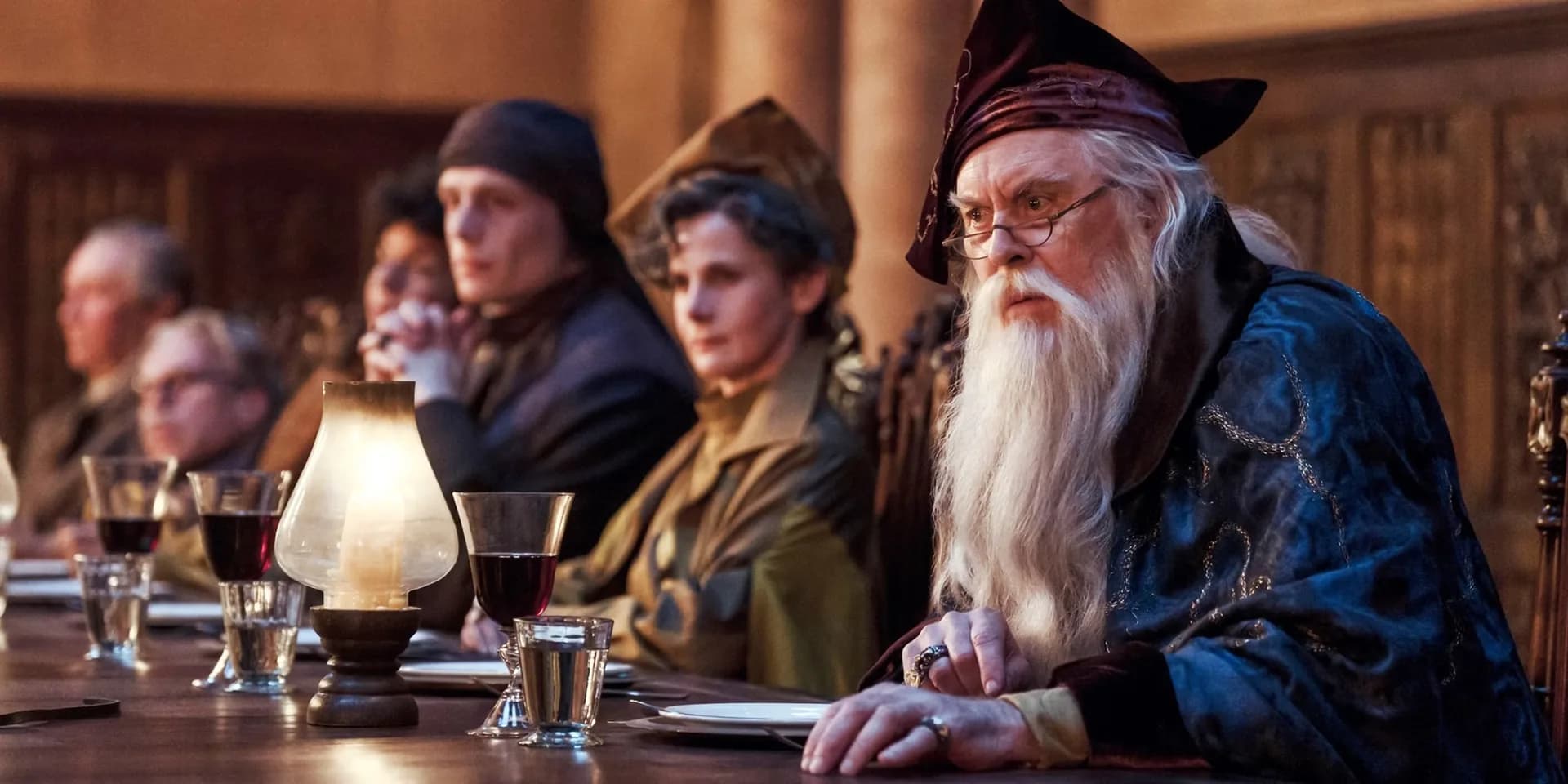
Harry Potter Series Moves to Paramount+ After HBO Merger Plans
The new Harry Potter series is set to premiere on December 25, but not on HBO. Instead, it will stream on Paramount+, following confirmation of a future merger between HBO Max and Paramount+. Cast includes Dominic McLaughlin as Harry, Alastair Stout as Ron, and Arabella Stanton as Hermione.

Tulsa King Moves to New York for Season 5, With Stallone’s Daughter Promoted and Four New Cast Members Added
Tulsa King is heading back to New York — and not just in the story. Season 5 is officially on, with production already underway in Manhattan, a shift from Georgia that’s as much about plot as it is budget.

Avengers: Endgame Tops All-Time Box Office After Re-Release With New Scenes
Avengers: Endgame has dethroned Avatar as the highest-grossing movie of all time after a surprise re-release with new scenes. The film now stands at $2.925 billion worldwide, overtaking Avatar's $2.923 billion. The re-release, called 'Encore', was timed to build momentum for Avengers: Doomsday. According to Anthony Russo, the added footage aims to deepen fan connection and set up the next chapter.
Be the first to comment
Join the argument. No password, just your email or a passkey.