Black Mirror is back in the headlines — not for a new episode, but for how it’s holding up as the world catches up to its warnings. The show, which premiered in 2011 and has since become Netflix’s most enduring sci-fi experiment, isn’t just surviving its own legacy. It’s thriving in a reality that increasingly looks like one of its episodes. And no, this isn’t nostalgia. This is déjà vu with a side of dread. Take 'Nosedive', the 2016 episode where social media likes dictate your life chances. Back then, it felt like satire. Now? A 2026 study from MIT found that 43% of young adults in the US base job applications on their Instagram engagement scores. The algorithmic caste system Black Mirror mocked is now a hiring criterion. Then there’s 'White Christmas', the Christmas special that imagined digital clones and the ability to block people from real life. In 2026, Meta launched a beta feature allowing users to ‘ghost’ someone permanently. Not just unfollow, but erase them from all shared data streams. The tech was pitched as privacy protection. Critics called it emotional censorship. Even the more outlandish plots feel less fictional by the day. 'The Entire History of You', where people replay memories like video. Mirrors current neurotech trials testing brainwave storage and retrieval. Elon Musk’s Neuralink has already begun human trials for memory implantation. The line between fiction and prototype is thinner than ever. Netflix is already filming Season 8, set to drop in 2027. No official cast or plot details yet. But insiders say the season will explore AI-generated personal histories, a concept so close to today’s deepfake culture that some writers have reportedly refused to pitch ideas. ‘We’re scared we’ll be accused of predicting the future,’ one scriptwriter told Screen Rant. Black Mirror wasn’t meant to be prophetic. It was supposed to reflect our fears. Not forecast them. But as technology accelerates, the show’s relevance isn’t fading. It’s sharpening. And if the next season is anything like the last, expect another wave of viewers asking: Did we really need this story to come true?
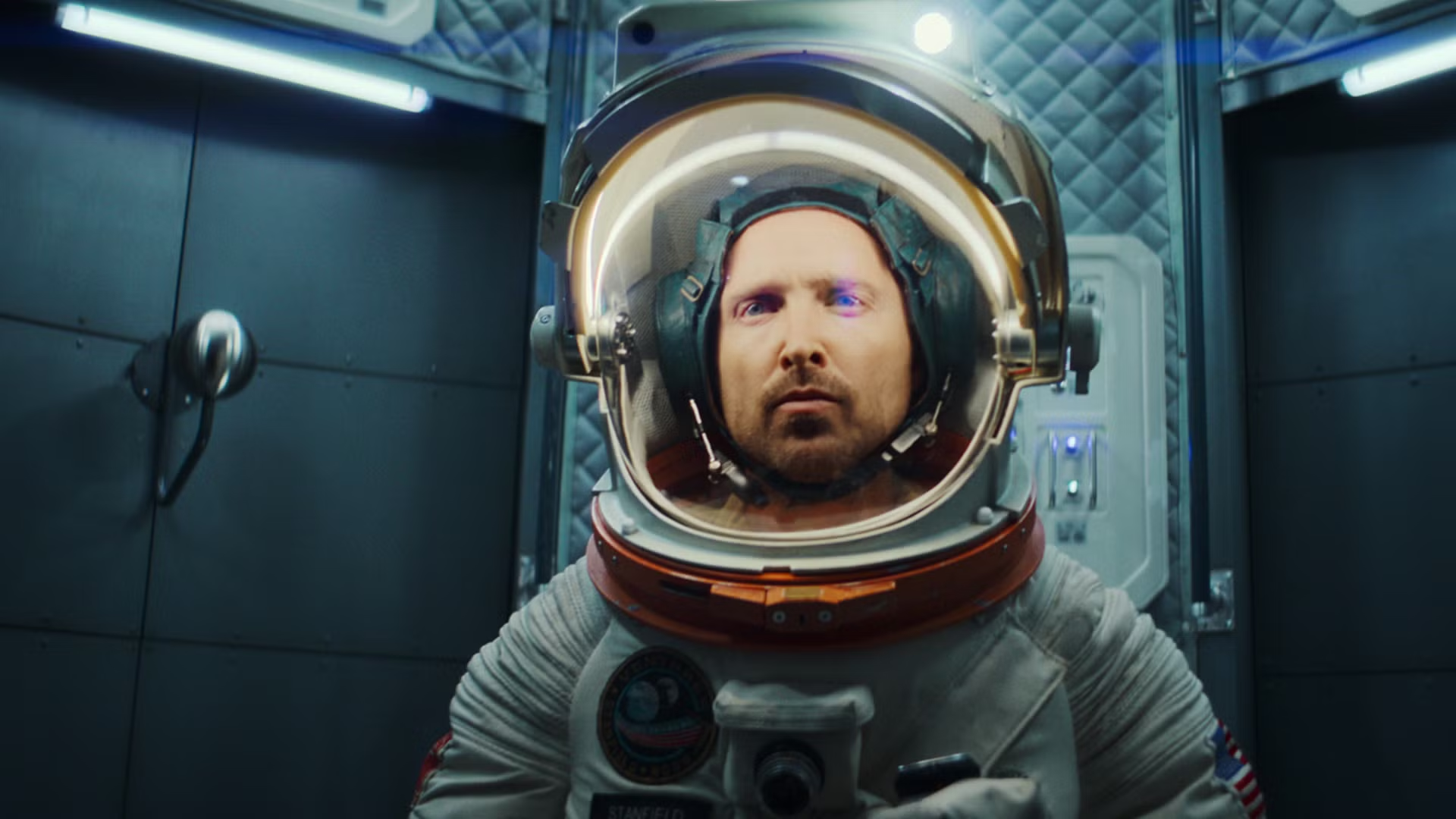 Photo via Screen Rant
Black Mirror Is No Longer Sci-Fi
Black Mirror isn’t just relevant anymore — it’s already happening.
Live site hype
around 1 reading right now · 145 today
Reported from
This article was written by the CutMirchi desk from the reporting above. Facts are attributed to their original publishers.
Read next
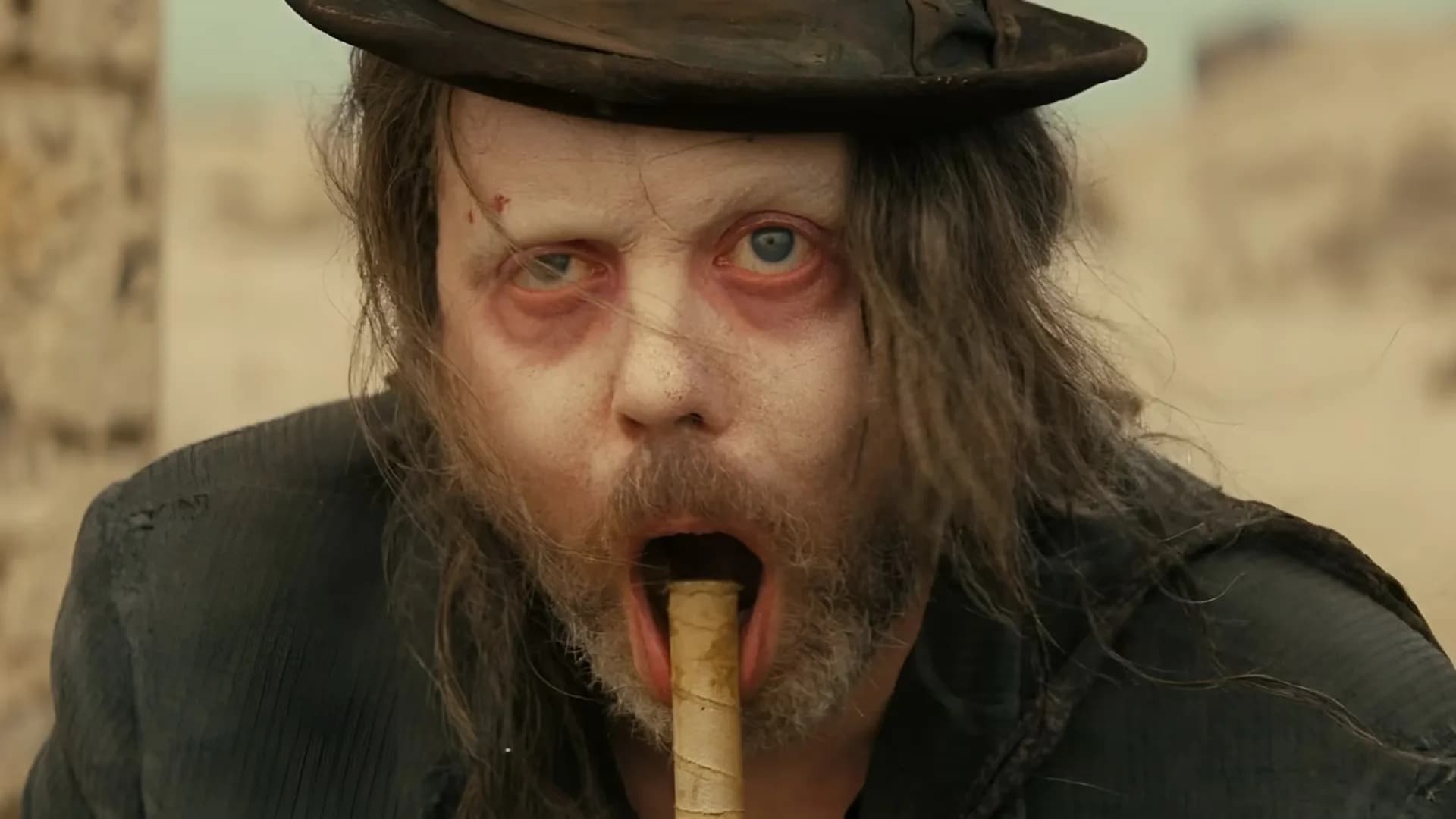
The Eternaut to End With Season 2 in 2027
Netflix has confirmed that The Eternaut will conclude with season 2, which is expected to premiere in 2027 after production delays. The show, based on a 1950s Argentine comic, follows survivors in Buenos Aires after a toxic snowfall triggers an alien invasion that escalates into interdimensional warfare and mass mind control.
Cyberpunk: Edgerunners Season 2 Release Date, Plot & What to Expect
Cyberpunk: Edgerunners Season 2 premieres on Netflix on October 20, 2026, with all 10 episodes released simultaneously. The sequel abandons the single-protagonist structure of the first season, adopting a Pulp Fiction-style narrative with multiple interconnected stories set in the same dystopian Night City. New characters include a fallen legend stripped of their cybernetic enhancements and a v3
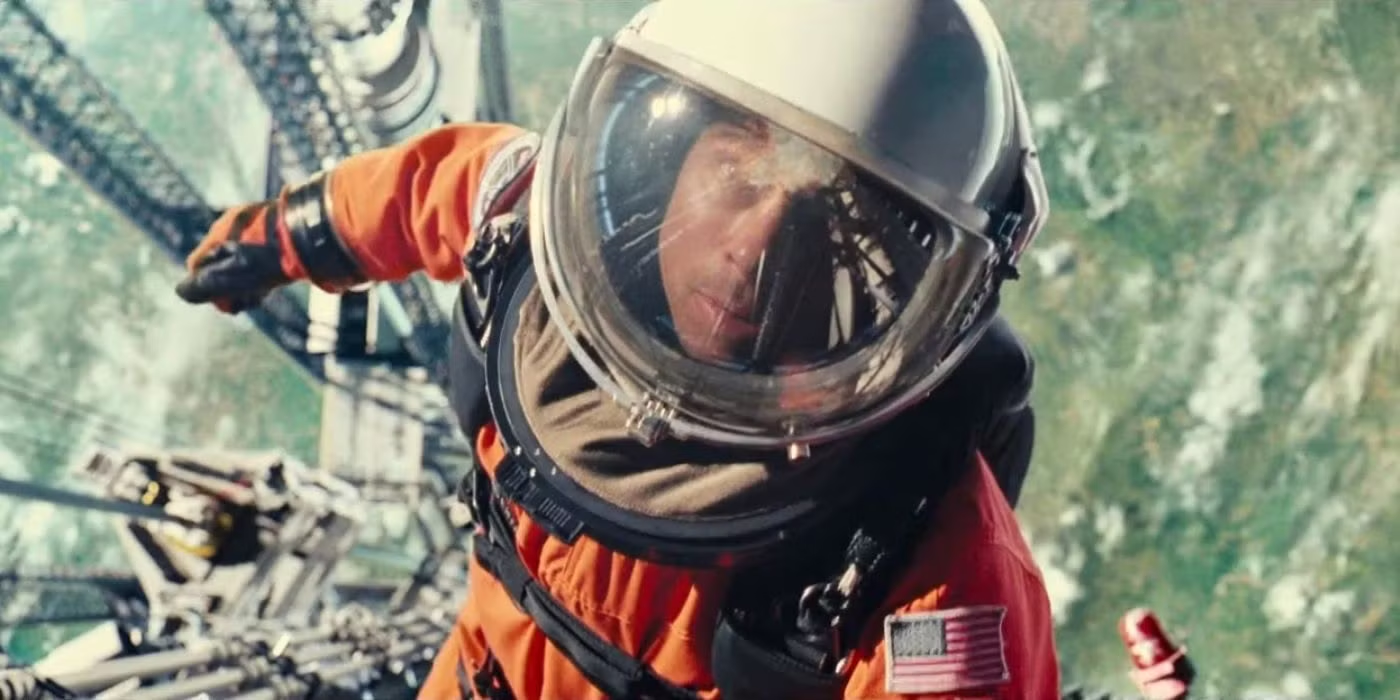
Brad Pitt’s Ad Astra Now Streaming on Netflix
Brad Pitt’s Ad Astra is now streaming on Netflix in the US, seven years after its theatrical release. The film, which struggled with audience reception in 2019, has found new life on the platform, drawing attention for its restrained tone, emotional depth, and haunting visuals.
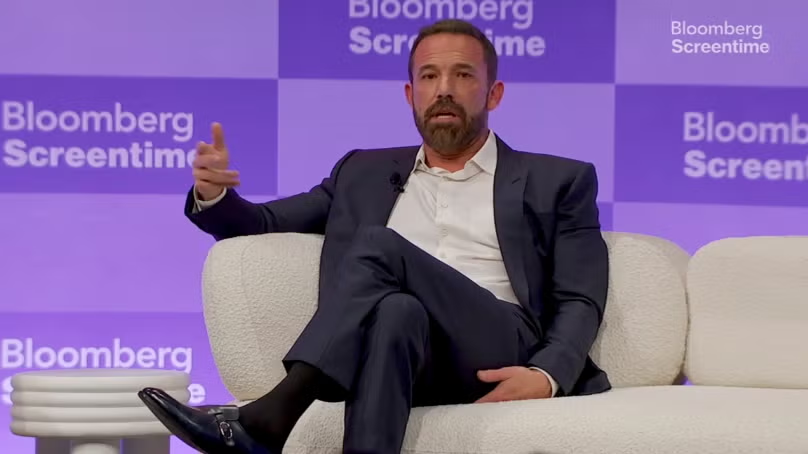
Ben Affleck Refutes Netflix Plot‑Repetition Rumor Ahead of ‘Animals’ Release
Ben Affleck dismissed a claim that Netflix forced him and Matt Damon to repeat plot points several times, calling it baseless. He also talked about using AI tools from his startup InterPositive on the October‑9 release “Animals.”
Be the first to comment
Join the argument. No password, just your email or a passkey.