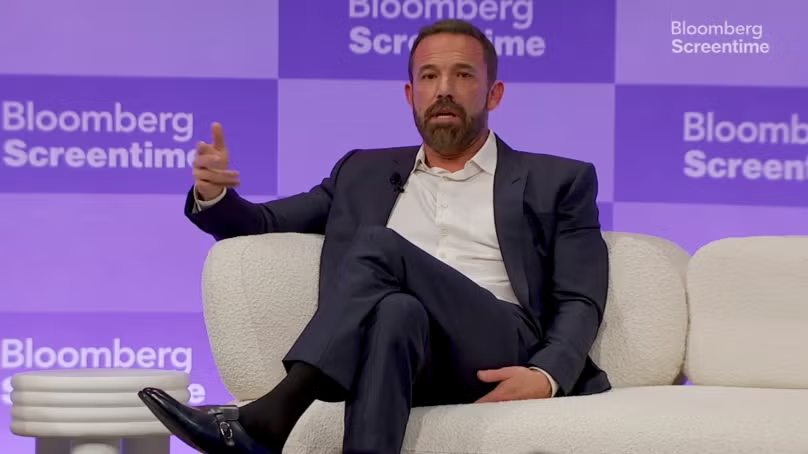
Speaking at Bloomberg Screentime, Affleck said the streaming giant never asked him or Matt Damon to restate the story, while also revealing AI work on his upcoming Netflix film.
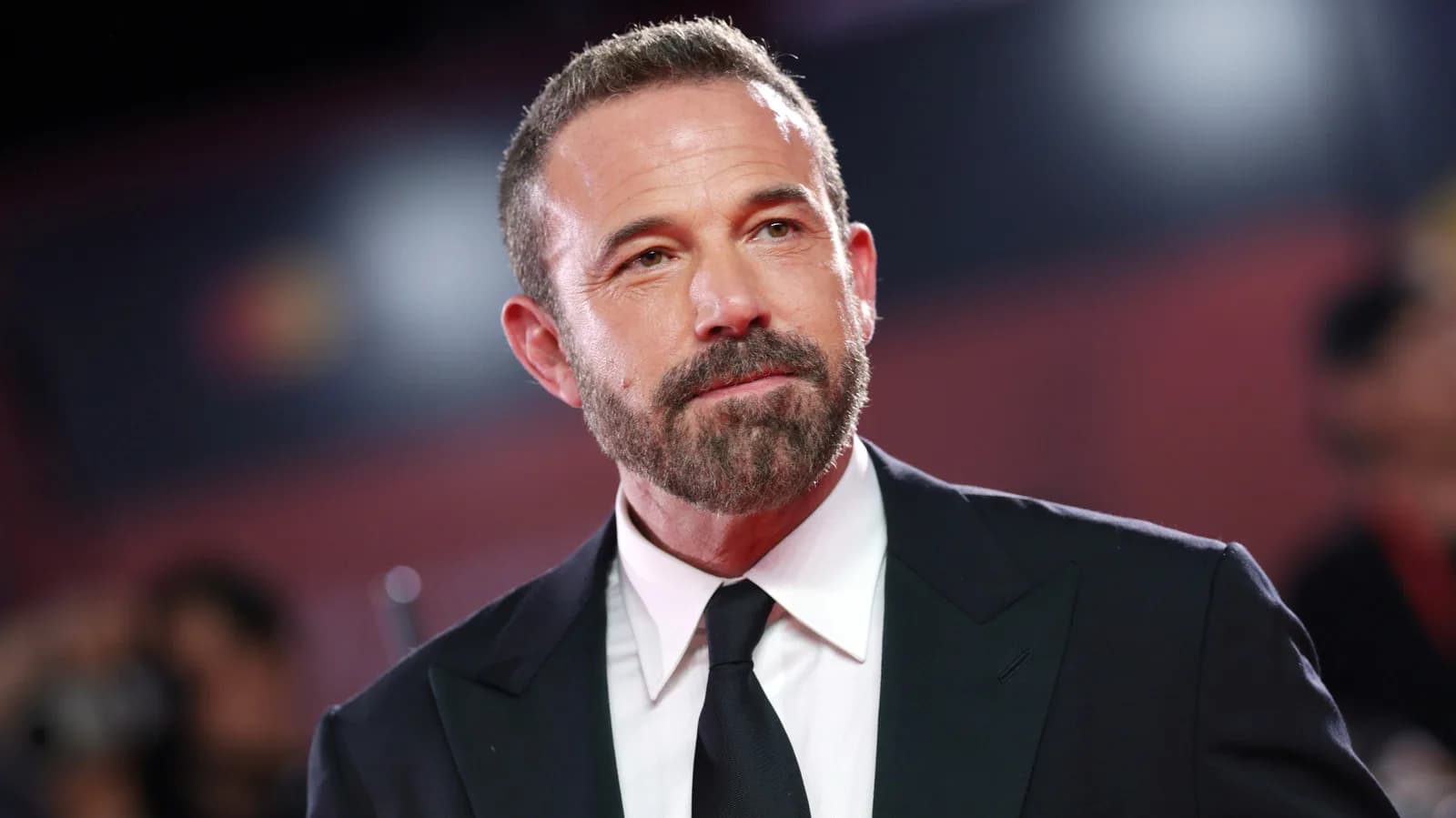
Ben Affleck stepped onto the Bloomberg Screentime stage on Wednesday and put an end to a rumor that Netflix had asked him and Matt Damon to re‑hash the plot of their film three or four times for “distracted viewers.”
The gossip first surfaced in January when Damon, on the Joe Rogan Experience, suggested the streaming service was nudging the duo to repeat key beats. The idea struck a chord because fans have long joked that Netflix tells audiences to watch the same scene repeatedly, a notion that even made its way into pop‑culture punchlines.
From podcast to press conference
According to TheWrap, Affleck told the audience that no such note ever landed on his desk. He called the story “idiotic” and “brazen,” insisting that he and Damon had already tried to debunk the claim on the podcast itself, only to see it twisted into supposed evidence. “There’s absolutely no truth to that,” he said, echoing the sentiment of Netflix’s own denial earlier this year.
Netflix film chairman Dan Lin had already dismissed the practice in March, saying the company does not repeat plot points in its movies or series. “We actually all laughed when we watched that bit at the Oscars,” Lin added, implying the rumor was more comedy than fact.
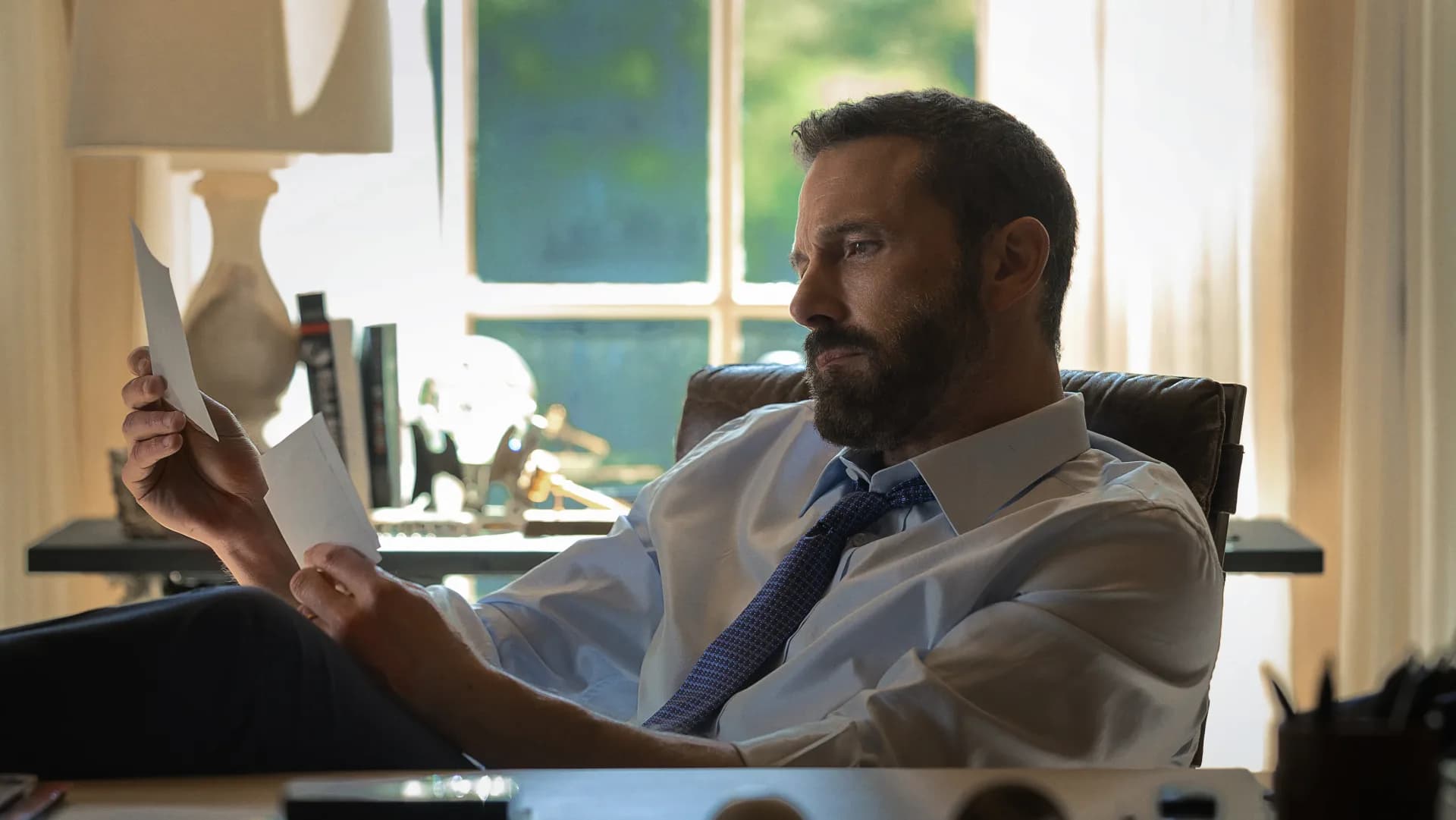
Affleck also used the platform to talk about his upcoming Netflix project, the animal‑centric drama “Animals,” slated for an October 9 release. He noted that the film’s production did not involve any script‑level meddling from the streamer. Even if a note had been handed over, he claimed he would have ignored it.
AI tools in the director’s toolbox
The conversation then shifted to technology. Affleck, whose startup InterPositive was acquired by Netflix for close to $600 million, explained how he built a custom AI model to assist with cinematography. He described taking an open‑source engine and feeding it thousands of hours of footage to create a tool that helps frame shots without looking like a CGI gimmick.
He refused to name the exact sequences that benefited from the AI, likening the disclosure to a magician revealing his tricks. Still, he positioned “Animals” as a showcase for how AI can serve a story that leans heavily on human performance rather than flashy effects.
Addressing speculation that Netflix bought InterPositive merely to shield itself from criticism over AI, Affleck argued the partnership was genuine. “Netflix isn’t in a position to alienate artists,” he said, suggesting the streamer values creative relationships and will act judiciously with new tech.
The future of AI‑driven cinema
When pressed about the prospect of a fully AI‑generated feature, Affleck was skeptical. He pointed to the massive computational power and physical constraints involved, saying a completely synthetic film remains “one of the least likely domains to be disintermediated by AI.”
In short, the Netflix‑plot‑repetition story appears to be nothing more than a misinterpreted joke, while the real headline is the growing role of AI in mainstream filmmaking – a trend that Affleck says is still in its infancy.
As “Animals” rolls out next month, audiences will get a chance to see whether the AI‑enhanced visuals live up to the hype, and whether the streaming giant’s creative freedom truly remains untethered by algorithmic mandates.
Be the first to comment
Join the argument. No password, just your email or a passkey.