Clayface is doing better than expected—$46.5M worldwide in its first weekend, beating expectations and setting up a strong Halloween run. But the real story isn’t just box office numbers. It’s how the film echoes Darkman, a 1990 cult classic that’s now streaming on Peacock, and why that comparison matters.
Clayface is outperforming expectations — $46.5 million worldwide in its opening weekend, enough to recoup its production budget and then some. That’s not just a win for Peacock. It’s a signal that audiences are hungry for bold, genre-blending superhero thrillers with a body-horror edge. The film, directed by James Watkins and starring Liam Neeson as Matt Hagen, a scientist disfigured in a violent attack, has drawn strong word-of-mouth, pushing it into a strong second weekend.
According to trade reports, You Can See Everything saw a $19.5 million domestic increase, but Clayface remains the top earner. Meanwhile, Wildwood, despite a $100 million budget, tanked with only $12.2 million domestically, a stark contrast that points to how niche tastes can make or break a release. Critics are calling the film a fresh take on the revenge thriller, blending grotesque visuals with emotional stakes.
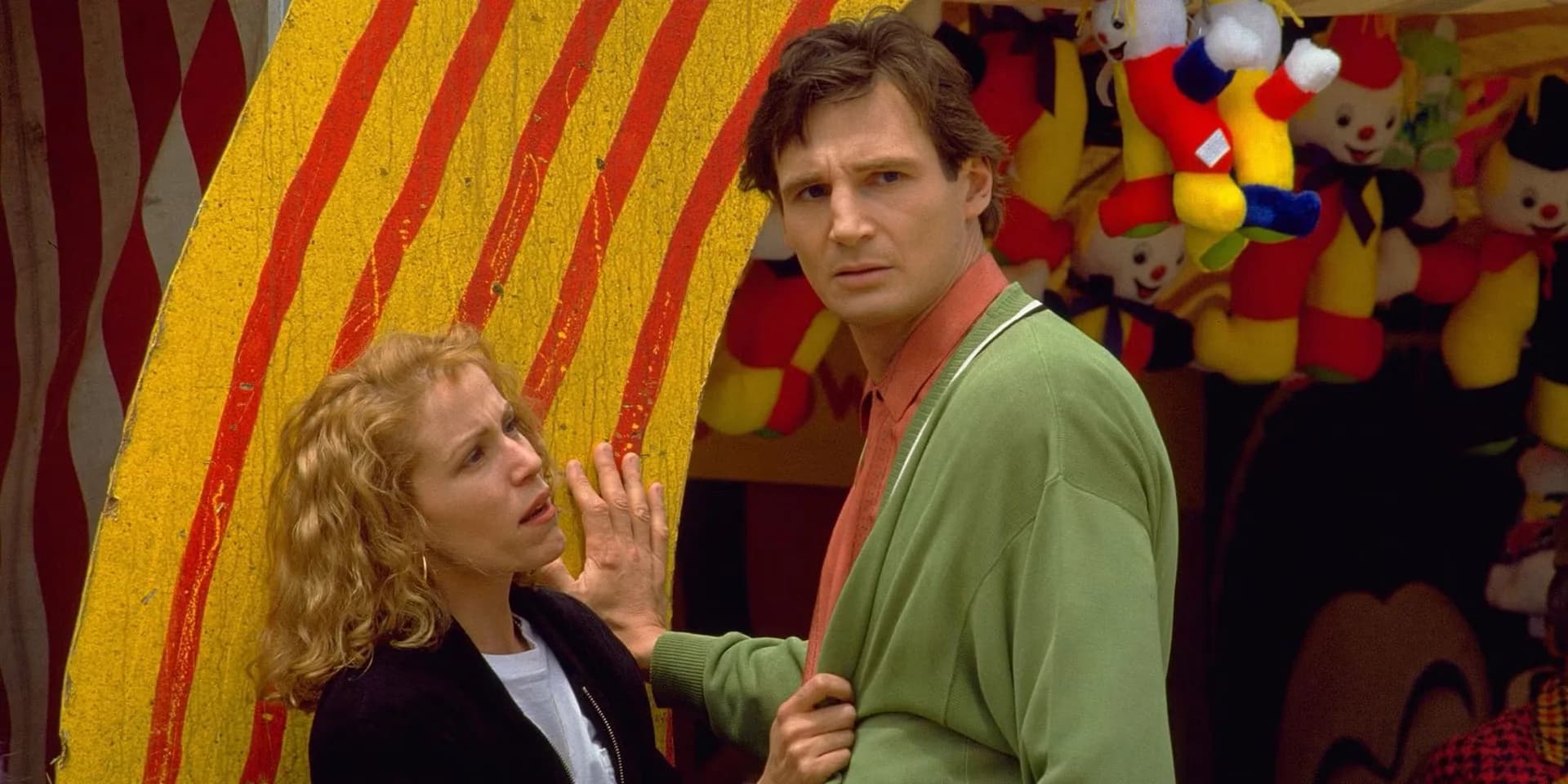
But the real conversation isn’t just about the movie, it’s about what it echoes: Sam Raimi’s 1990 cult classic Darkman. Collider notes that both films share a core DNA: a man transformed by trauma into a shape-shifting avenger. In Darkman, Peyton Westlake (Liam Neeson again) uses synthetic skin to become anyone he needs to be, while battling his own unraveling psyche.
The parallels go beyond casting, both protagonists begin as sympathetic figures seeking justice after being brutalized. But where they diverge is crucial. In Darkman, the protagonist gains powers through science that don’t demand accountability. He becomes a villain not because he was evil, but because he never had to face consequences.
As Collider puts it, “Power doesn’t corrupt, it reveals.” Clayface, by contrast, operates under limitations, the synthetic skin deteriorates after 99 minutes, forcing planning, reflection, and restraint. That constraint keeps Neeson’s character tethered to morality, even as he descends into violence. He feels the cost of his choices. Darkman’s version, meanwhile, embraces chaos: Dutch angles, over-the-top stunts, a helicopter leap through a skyscraper window that lands as pure comedy.
It’s campy, absurd, and unapologetically pulpy, exactly the kind of tone that makes it feel like a spiritual ancestor to the new film. Collider calls it one of the most underrated entries in Raimi’s filmography, sitting comfortably next to The Quick and the Dead. And now, thanks to Peacock, it’s streaming again.
Fans aren’t just watching Clayface, they’re revisiting Darkman, drawing lines between two men who became monsters not because they wanted to, but because they had no other way out. The question isn’t whether this new film works. It already has. The real story is why we keep coming back to these kinds of stories, and what they say about vengeance, identity, and the price of becoming someone else.





Be the first to comment
Join the argument. No password, just your email or a passkey.