


Karan Johar is laying the groundwork for a bold new chapter at Dharma Productions. According to a reliable trade source quoted by Bollywood Hungama, three major films — RN Kao, Gadadhari Bheem, and Radha Krishna, are already in production for 2028 releases, with filming set to begin in 2027. The slate marks a significant shift from Johar’s recent focus on romantic dramas, signaling an ambitious push into mythological, historical, and high-octane genres.
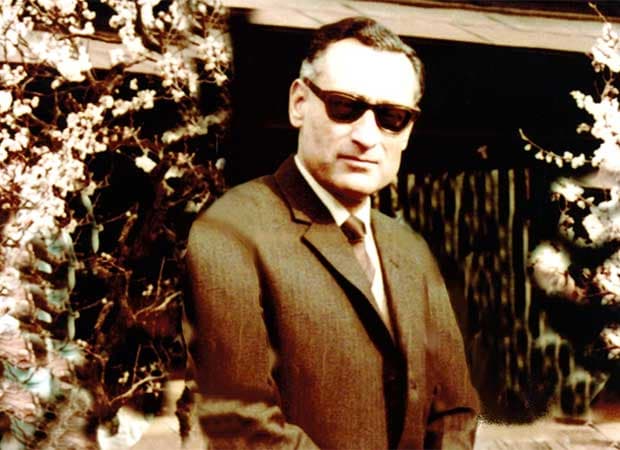
RN Kao, described as an epic espionage film, draws from the life of R&AW’s founding director, R.N. Kao. A figure whose legacy has long fascinated Indian intelligence circles. Next up is Gadadhari Bheem, a modern-day superhero narrative inspired by characters from the Mahabharata. Though the title may be provisional, the concept suggests a reimagining of ancient archetypes through a contemporary lens.
The third film, Radha Krishna, is framed as an epic love story blending devotion and action, centered on the divine relationship between Lord Krishna and Radha. The source confirms all three are fully in production, with multiple other projects in development under the Dharma banner. Kartik Aaryan is also attached to an untitled mytho-creature film directed by Sandeep Modi, though no further details have been revealed.


Be the first to comment
Join the argument. No password, just your email or a passkey.