Two Mumbai-based physicians say repeated exposure to newsprint inks and dyes can strain the liver and kidneys, and list what to use instead.
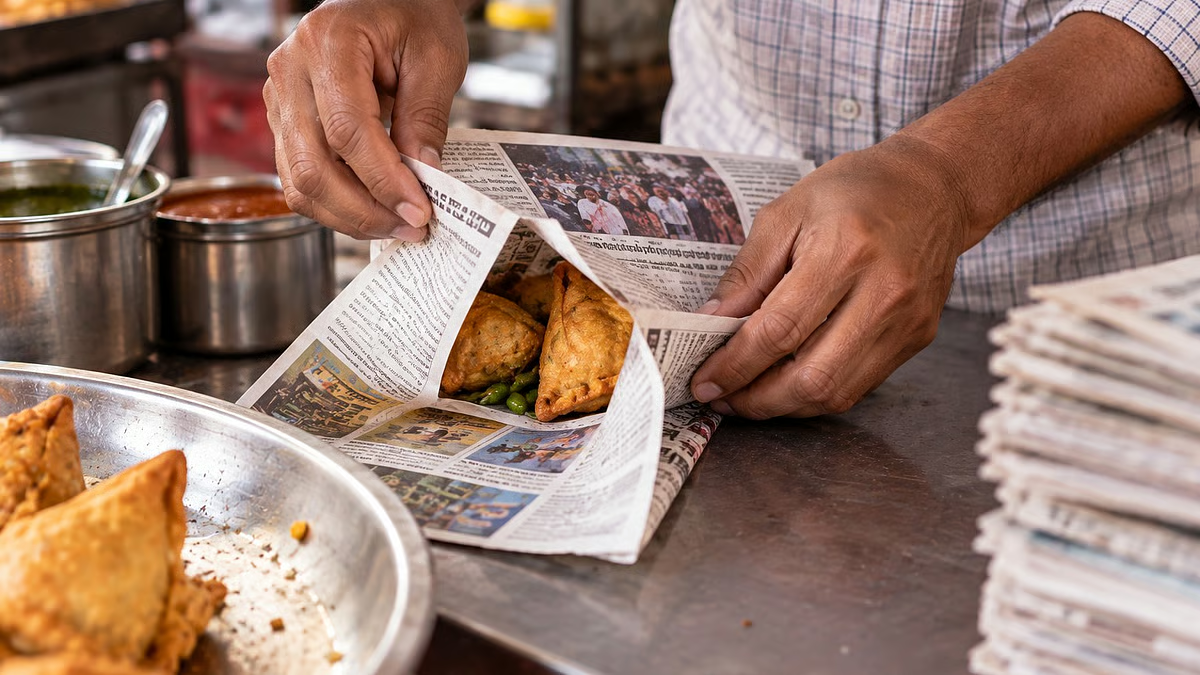
It's a habit most Indian households don't think twice about. Bhajiyas straight off the pan, wrapped in yesterday's paper. Peanuts from the railway platform, folded into a cone made from the sports page. Turns out that convenience comes with a cost nobody's reading the fine print on.
Dr Aravind Badiger, Technical Director at BDR Pharmaceuticals International Pvt. Ltd, says newspapers were never built to touch what you eat. "One meal wrapped in newspaper will not make someone ill, but the concern is repeated exposure," he says. The real trouble starts when the food is hot, greasy or wet. Heat and oil pull ink and chemical residue straight off the page and into your snack.
The short-term fallout is fairly ordinary. Nausea. Vomiting. A stomach that just won't settle. That's the microbes talking.
The longer game worries Dr Manjusha Agarwal, Consultant of Internal Medicine at Gleneagles Hospital Mumbai, a lot more. She points to the dyes and printing chemicals building up in the body over months and years. "Long-term exposure may potentially place stress on the liver and kidneys," she says, adding that it can contribute to liver dysfunction or impaired kidney function down the line.
So what's actually safe? Both doctors keep coming back to one phrase: food-grade. Clean-looking paper isn't the same as approved paper.
Here's the shortlist. Food-safe or food packaging paper, made for exactly this job. Baking paper or parchment, especially for dry snacks and baked goods. Stainless steel boxes, sturdy and reusable. Glass containers, Badiger's pick for leftovers headed to the fridge. Food-grade plastic containers, but only when used the way the label says. Food-grade aluminium foil for short hauls, though Agarwal is clear it's not a fix for every food or every storage situation. And reusable silicone bags, which at least cut down on how much disposable wrapping ends up in the bin.
The advice doesn't stop at what you wrap food in. Agarwal wants hot food cooled naturally before it goes into storage, unless the box is rated for heat. Perishables shouldn't sit out at room temperature. Get them into the fridge, and keep that fridge at 5°C or below.
Badiger circles back to basics that sound obvious until you actually check whether you're doing them. Wash your hands before you touch food. Wash the utensils you're storing or serving with. Keep raw and cooked food apart. None of it is complicated, all of it gets skipped when you're in a hurry.
The packaging, in the end, only does half the job. It can seal food off from the street outside. It can't stop bacteria from multiplying if that food is sitting at the wrong temperature for hours on end. Next time the newspaper's within reach for a quick wrap, it might be worth the extra thirty seconds to find a box instead.



Be the first to comment
Join the argument. No password, just your email or a passkey.