
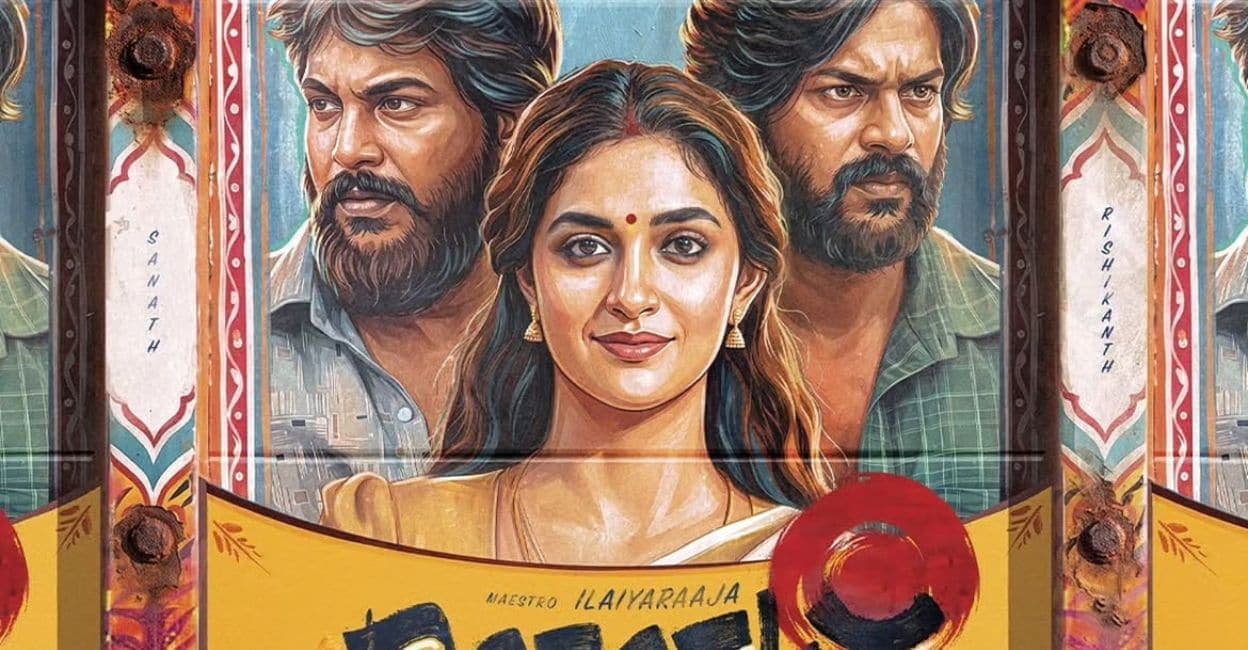
The Tamil film Dorothy has become more than a box office success — it’s now a cultural pivot point, thanks to a single video from veteran actress Latha Rao. Released weeks ago after premiering at Toronto’s international film festival, the Karthik Subbaraj-directed drama starring Keerthy Suresh, Sananth, and Rishikant had already drawn early praise from figures like Dhanush and Anurag Kashyap. Its trailer initially suggested a familiar romantic triangle, two men fighting over a woman. But the film quickly revealed itself as something far more layered: a story centered on transgender and non-binary lives, their struggles, and their right to love and dignity. That shift didn’t go unnoticed. The film earned widespread acclaim, with directors like Mithran calling it a bold step forward. But it also faced resistance, not from audiences, but from those who see progress as a threat. Yet that pushback fizzled. What followed was a different kind of momentum: a personal reckoning. On Thursday morning, Latha Rao, known for her sharp wit and quiet authority, shared a video review on social media. She didn’t open with a summary or a rating. Instead, she spoke plainly: 'I went to watch Dorothy. It’s a little controversial.' Her tone wasn’t defensive. It was urgent. She described the first half as seemingly ordinary. Even predictable, before the film transformed into what she called ‘Akmar’ Karthik Subbaraj style: unflinching, emotionally precise. She highlighted specific lines. One from Iravu, another about gender norms, that refused to be dismissed. Then came the heart of her message: a direct challenge to how society treats people outside the binary. 'We call them by names that sound beautiful,' she said, 'but we reduce them to jokes. Who chooses this? No one. It’s not a choice. It’s biology. It’s identity.' She spoke of the cruelty in everyday language. The way terms are weaponized, how lives are erased through silence. 'They’re human too,' she insisted. 'Just like us.' Her words weren’t just commentary. They were an invitation to empathy. Within hours, the video spread beyond film circles, not as fanfare, but as a moment of pause. The film, once seen as a commercial hit, is now being discussed as a mirror, one that reflects not just storytelling, but society. And someone just turned it toward the room.
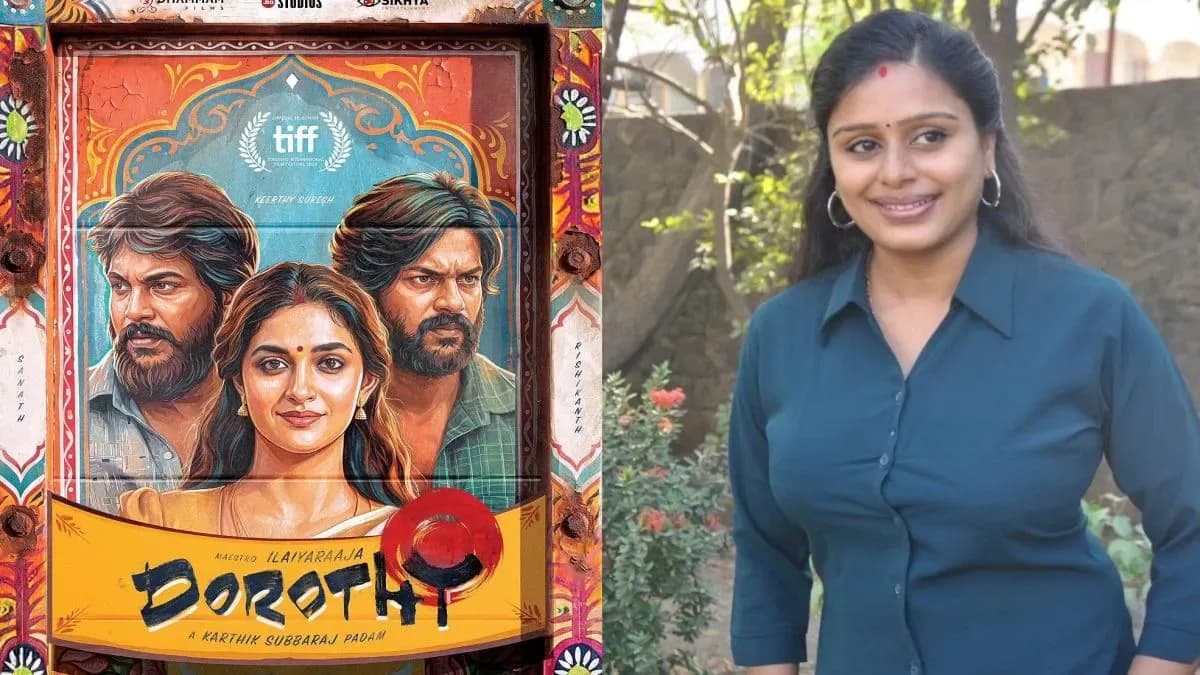 Photo via Filmibeat Tamil - Main Feed
Dorothy Movie Review: Latha Rao’s Emotional Take on Gender & Dignity
Latha Rao’s viral video review of Dorothy reframes the film as a cultural moment, not just a commercial success. Her focus on dignity for transgender and non-binary people shifts the conversation from entertainment to empathy.
In this story
Live site hype
around 2 reading right now · 212 today
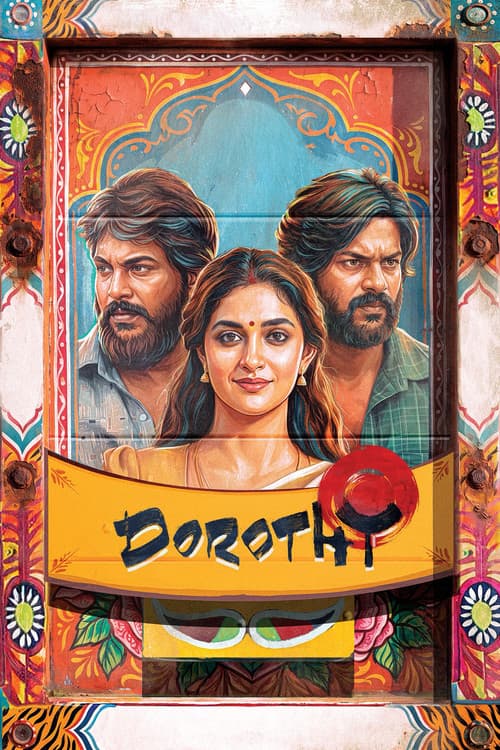
About the film
Dorothy
25 September 2026 · in theatres · cast, trailer and release details
Reported from
This article was written by the CutMirchi desk from the reporting above. Facts are attributed to their original publishers.
Read next
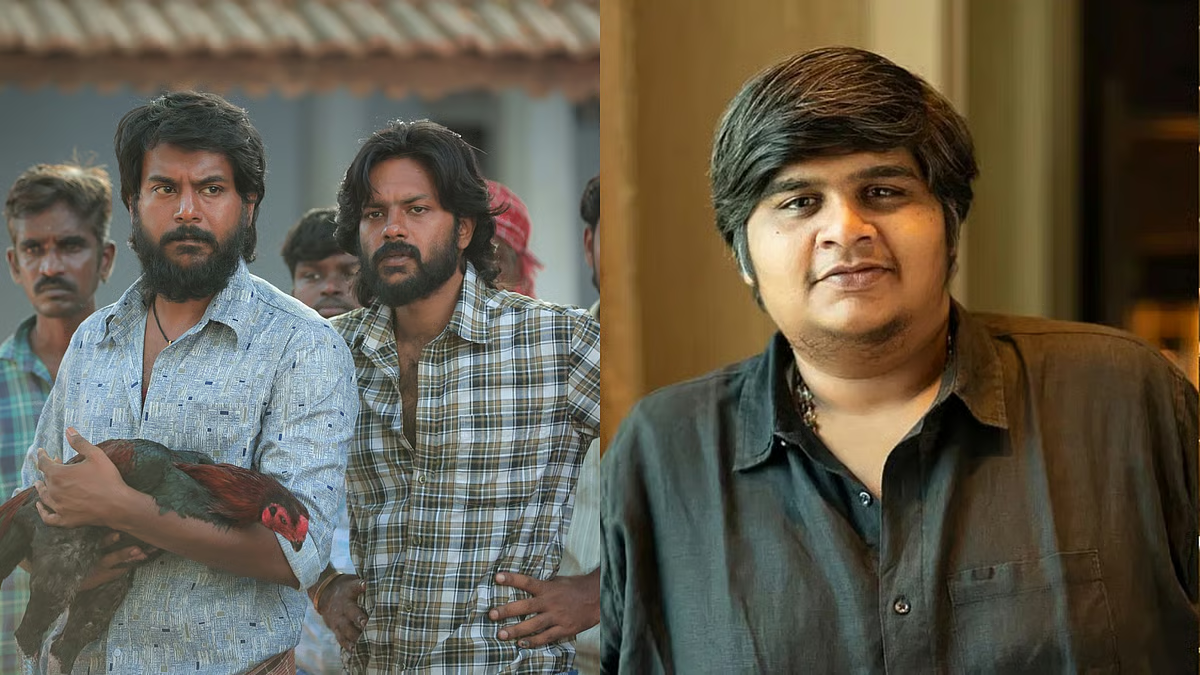
Dorothy Made Men Admit They Mocked Trans People. That’s the Point.
The film isn’t meant to be comfortable. It’s meant to make you uncomfortable — and then ask why.

Karthik Subbaraj First Movie: Soundararaja on Dorothy's Live-Sound Vision
Soundararaja on Dorothy: I completely trusted Karthik Subbaraj's vision
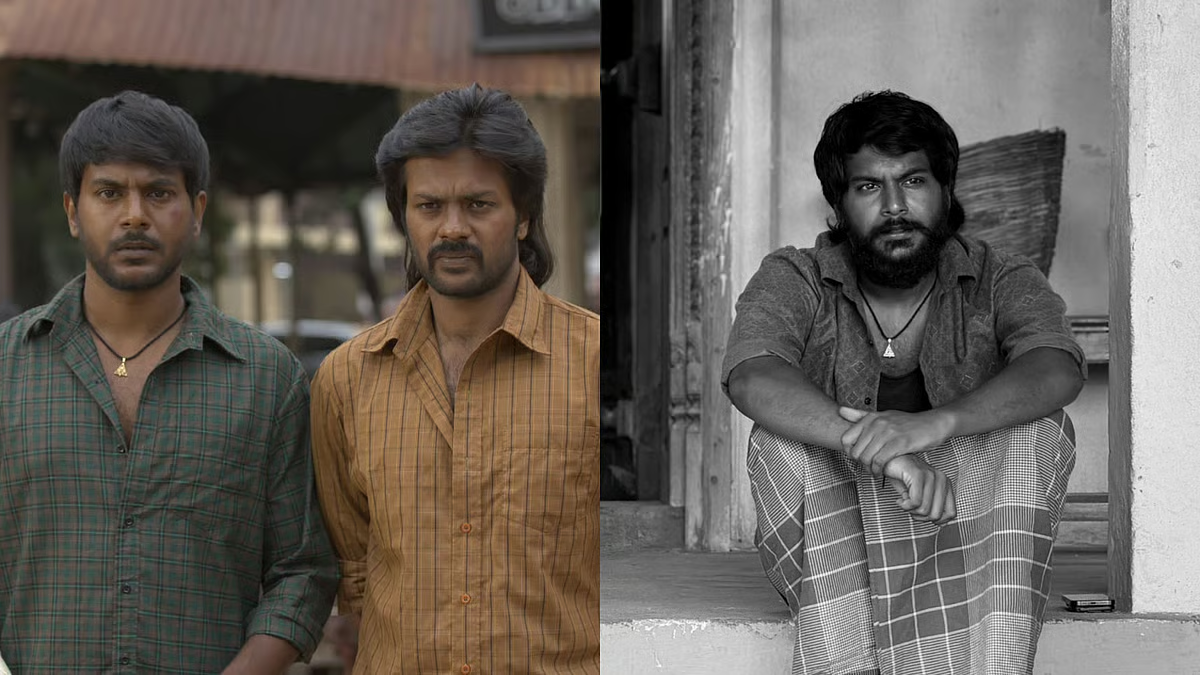
Dorothy Holds Strong at Box Office Amid Backlash Over LGBTQ+ Themes
Dorothy earns 12.26 crore in 12 days despite targeted criticism. Sananth: 'The audience’s emotion is the award.'
Dorothy’s Oscar Dream Ends With One Day Too Few
Dorothy missed the Oscars by one day. It had six. The Academy needed seven. The film’s journey ends here—but not the talk.
Be the first to comment
Join the argument. No password, just your email or a passkey.