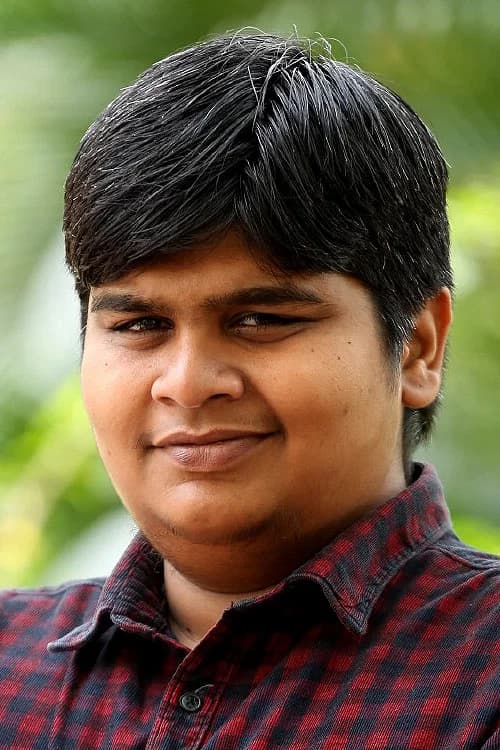
Karthik Subbaraj has stepped into the fire — again. This time, not to defend a film, but a person. On Tuesday, the Dorothy director took to X to condemn fellow filmmaker Mohan G’s treatment of transgender activist Negha during a televised debate on the film’s controversial themes. The exchange, which focused on whether a transgender woman could have children in a relationship, spiralled into what Subbaraj called ‘psychological violence’, a public shaming disguised as critique. 'It's not even a question. It's an insult,' he said, calling out the repeated line of questioning as transphobic and unnecessary. He didn’t just challenge the tone. He questioned the entire premise: why should love be measured by parenthood? Why should a transgender woman’s right to companionship be up for debate? His message was blunt: you can hate the movie. But you don’t get to dehumanise the person who lives the story. The backlash isn’t just about cinema. It’s about dignity. And Subbaraj made it clear that no one should have to endure that on national television. Negha, visibly shaken, later thanked him, calling his words rare, powerful, and long overdue. The moment echoed beyond the screen. It wasn’t just a response to a dialogue or a scene. It was a reckoning with how marginalised voices are treated when they step into public discourse. Mohan G, known for films like Draupathi and Bakasuran, has previously stirred controversy over LGBTQ+ representation, once claiming queer narratives were being pushed by NGOs to ‘undermine tradition.’ That history makes this latest clash more than a simple disagreement. It’s part of a deeper tension in Tamil cinema. Is art allowed to provoke? Yes. But does that mean we can mock the real people behind the stories? Subbaraj says no. And for now, at least, the silence around such moments is broken. The next move? Not from the filmmakers. From the audience. From the platforms. From the people who decide what kind of conversation gets to live.
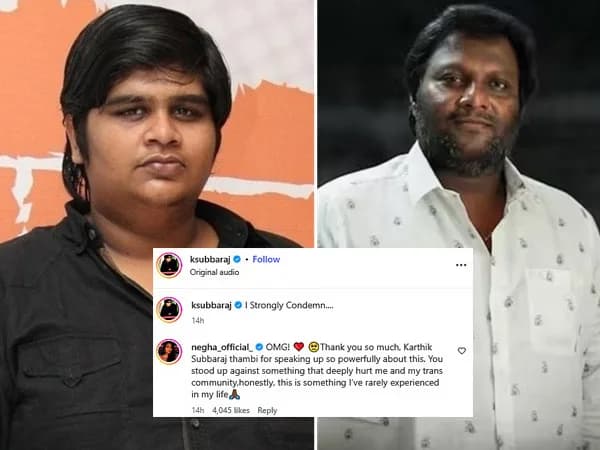 Photo via Filmfare
Subbaraj Slams Mohan G Over Transphobic TV Exchange
Subbaraj speaks out after Mohan G questions transgender woman on TV
In this story
Live site hype
around 1 reading right now · 73 today
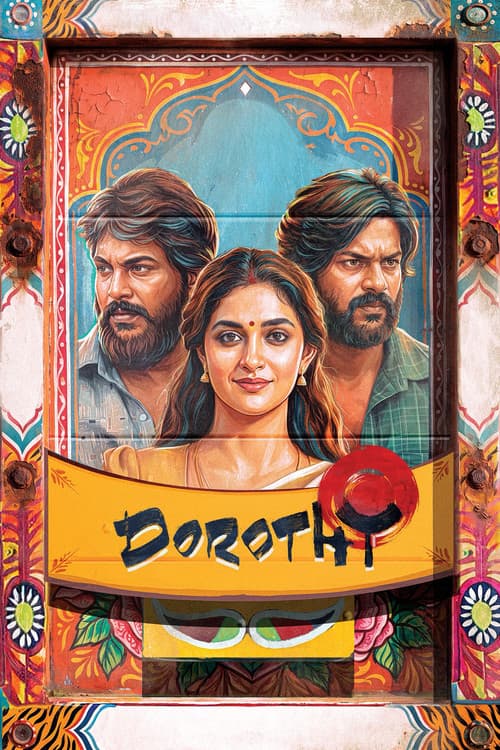
About the film
Dorothy
25 September 2026 · in theatres · cast, trailer and release details
Reported from
This article was written by the CutMirchi desk from the reporting above. Facts are attributed to their original publishers.
Read next
Dorothy Movie Review: Latha Rao’s Emotional Take on Gender & Dignity
Latha Rao’s unscripted video review of Dorothy doesn’t just praise the film — it demands a societal shift in how we see gender non-conformity. Her words, delivered without flourish, have ignited a quiet but powerful reckoning.
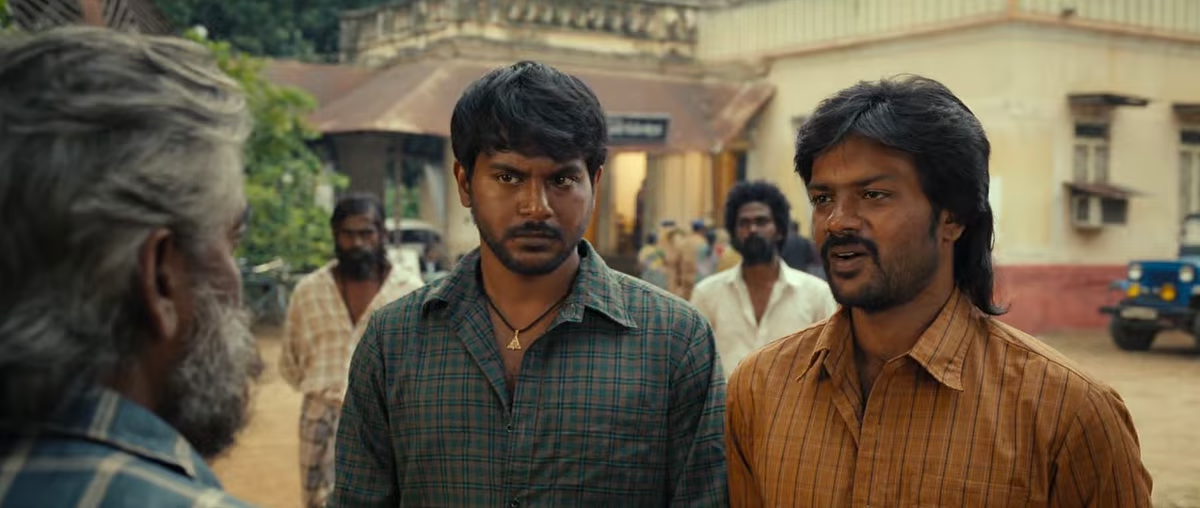
Karthik Subbaraj’s ‘Dorothy’ Sparks Boycott Wave in Tamil Nadu
Karthik Subbaraj’s latest drama Dorothy, which follows a trans woman’s journey in rural Madurai, has ignited fierce online backlash after a same‑sex kiss, prompting a wider debate on queer representation and caste‑driven violence in Tamil cinema.
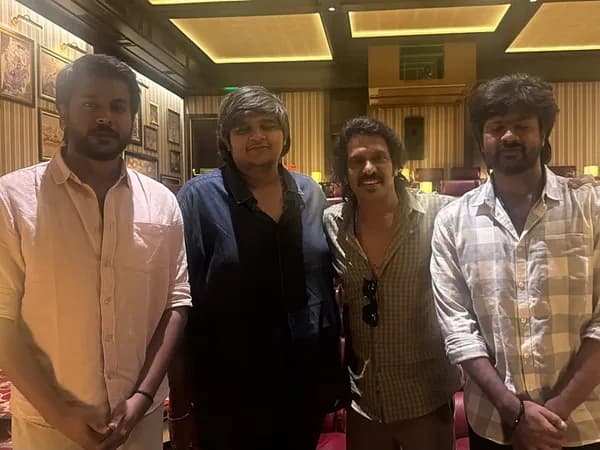
Upendra Hails Dorothy as 'Superb'
Dorothy’s quiet storm is turning into a full-blown festival wave. The Tamil film, which opened with a whisper in Indian theatres, has now earned its first major industry seal of approval — from Upendra himself.
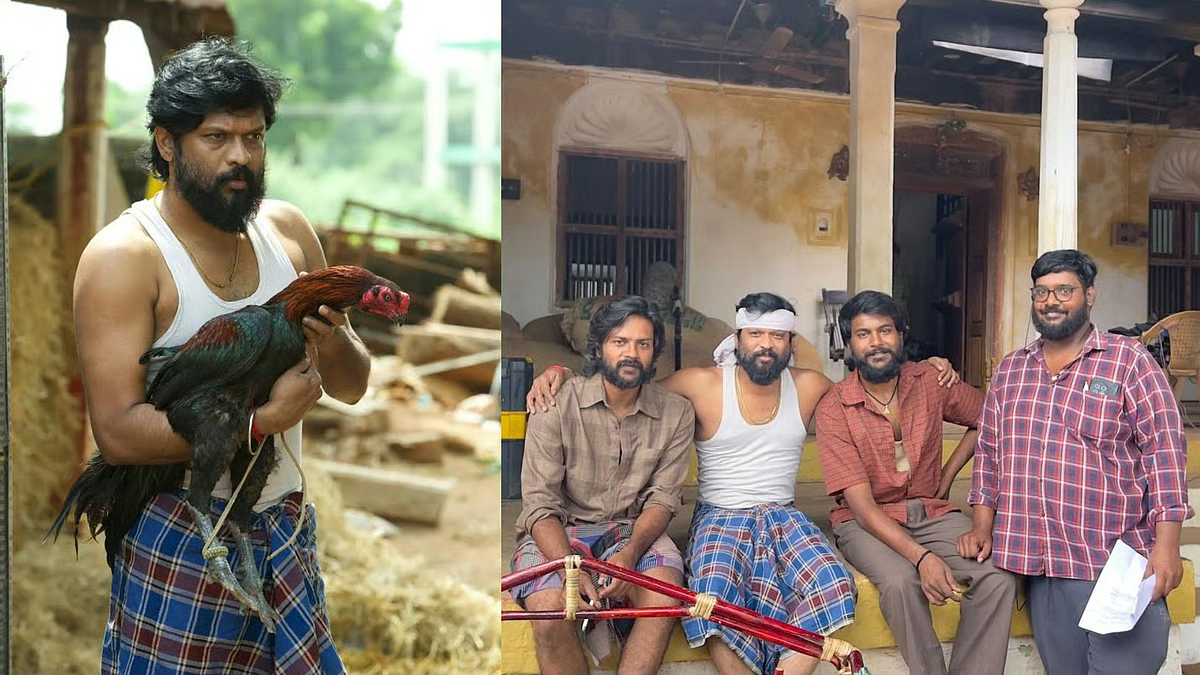
Karthik Subbaraj First Movie: Soundararaja on Dorothy's Live-Sound Vision
Soundararaja on Dorothy: I completely trusted Karthik Subbaraj's vision
Be the first to comment
Join the argument. No password, just your email or a passkey.