The final act of a saga begins. And the only thing louder than the applause is the hush before it.
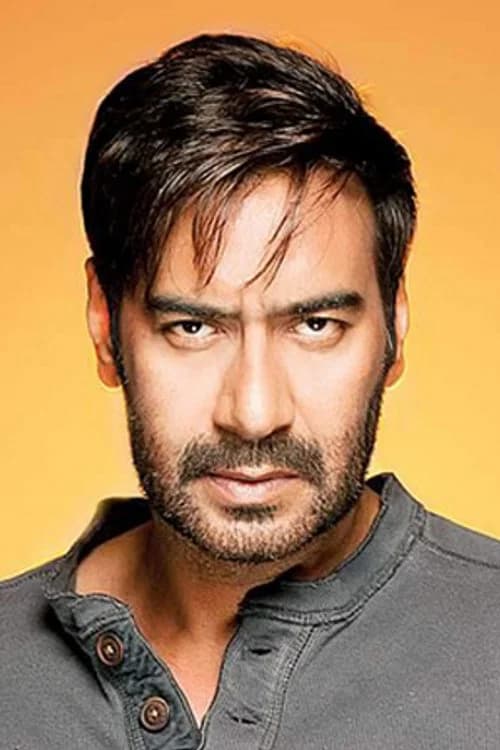
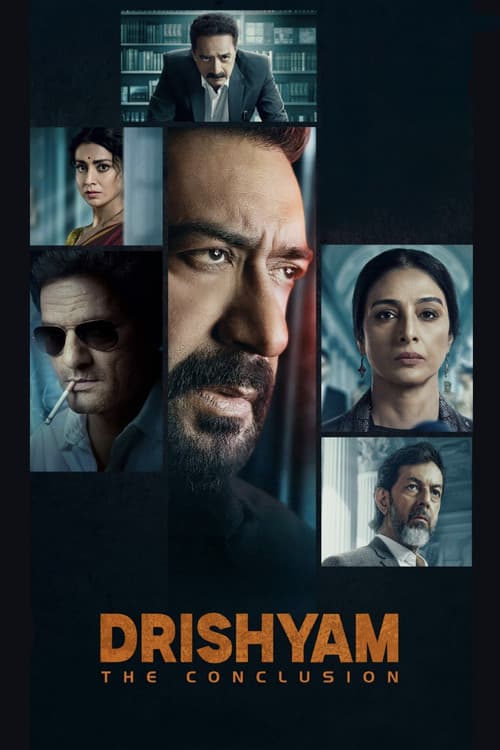
Drishyam The Conclusion arrives in theatres today — October 2, Gandhi Jayanti, marking the end of a saga that began with a single, quiet act of defiance. The film, directed by Abhishek Pathak and starring Ajay Devgn as Vijay Salgaonkar, is the third instalment in the Hindi version of the franchise, following the success of Drishyam and Drishyam 2.
It brings the story of the middle-class businessman from Goa to its final chapter, decades after he became entangled in a police investigation over the disappearance of IG Meera Deshmukh’s son. While the Malayalam original concluded earlier this year with its own third film, the Hindi version is charting a distinct narrative path, one shaped by its director’s vision and the emotional weight of legacy.
The cast returns in full force: Tabu, Shriya Saran, Ishita Dutta, Rajat Kapoor. New additions include Jaideep Ahlawat and Prakash Raj, expanding the ensemble without diluting the core tension that has defined the series. The lengths a man will go to protect his family. The film’s arrival has already sparked frenzy.
Pre-sales have hit ₹12.37 crore within 24 hours, and theatres are adding post-midnight shows before the release even begins. Exhibitors have reportedly been asked to match pricing strategies used for Spider-Man and Dhurandhar The Revenge, underscoring the high expectations. But the most telling moment came not from a trailer or a poster, but from a social media post shared on October 1 by Shivaleeka Oberoi, wife of director Abhishek Pathak.
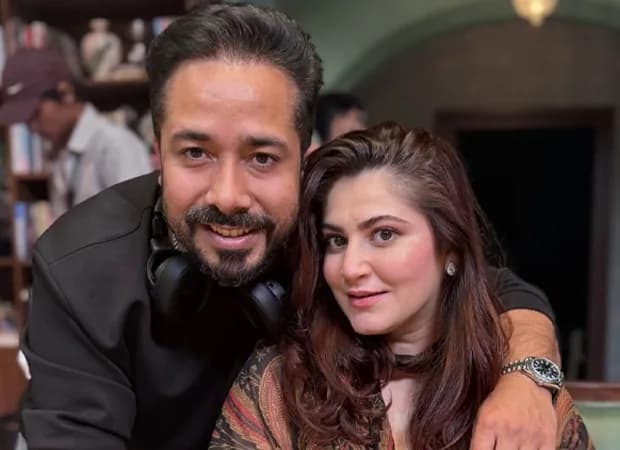
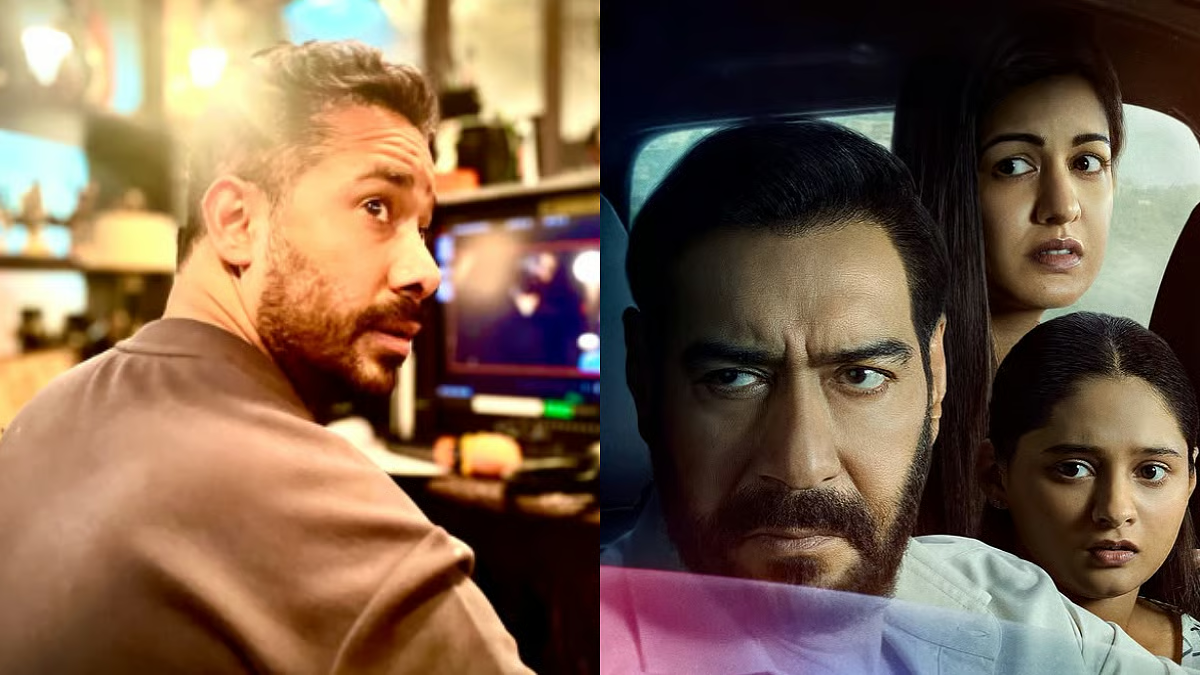
She took to Instagram to share behind-the-scenes glimpses from the making of the film, photos of the iconic Salgaonkar house, production sets, and moments of quiet focus. In her caption, she reflected on witnessing the journey up close: “I’ve seen the dream, the hard work, the sleepless nights and the heart behind it all.
Tomorrow, the world gets to see what I’ve been lucky enough to witness.” Then came the line that now echoes across reels and reviews: “And if you’ve watched Drishyam, you already know… with family, my husband doesn’t play around.” The quote, unverified beyond her post, carries more than affection. It’s a thematic anchor.
A promise. A statement of intent. It suggests that the film’s moral compass isn’t just about justice, but about loyalty. Absolute, uncompromising, and personal.
Whether that translates into cinematic closure remains to be seen. What’s certain is that the audience isn’t just watching a thriller. They’re witnessing the culmination of a cultural phenomenon, one built on silence, suspense, and the unspoken rule that family comes first. The lights dim.
The screen glows. And the question lingers: can a story truly end, or does it only wait to be remembered?




Be the first to comment
Join the argument. No password, just your email or a passkey.