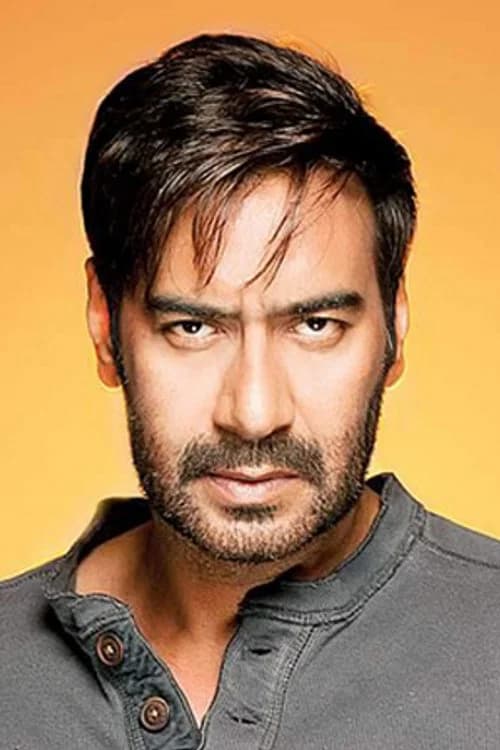

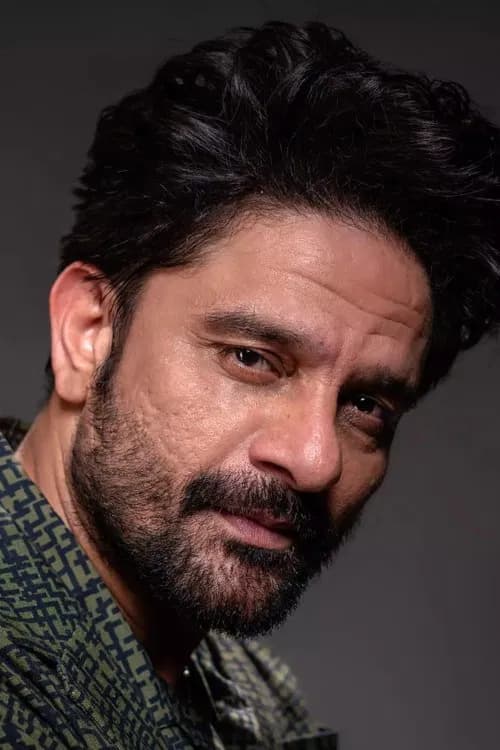
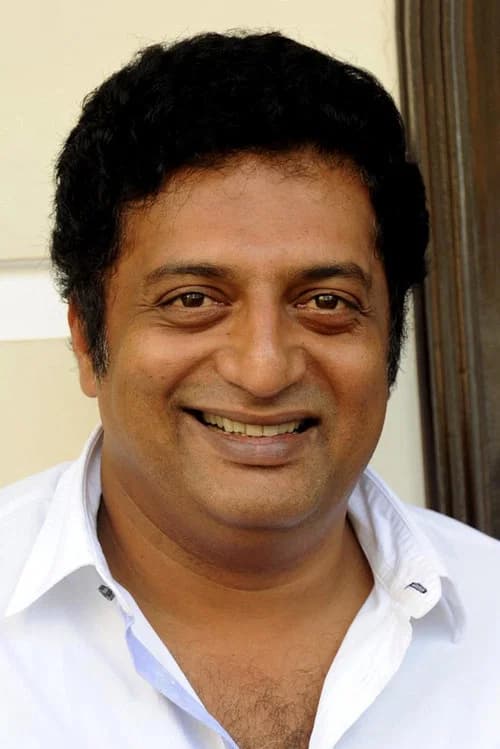
Drishyam: The Conclusion hits screens today — and it doesn’t just close a trilogy. It redefines what a finale can be. No grand monologue. No last-minute confession. Just silence, a stare, and the kind of tension that makes you forget to breathe. Ajay Devgn’s Vijay Salgaonkar hasn’t spoken much in the past two hours, but he’s been winning every round since the opening frame. The man who once hid a body now hides a truth, one so sharp it cuts through law, logic, and time itself. This isn’t about guilt. It’s about control. And for once, the system is on the wrong side of the equation. The film opens with Meera Deshmukh (Tabu), years after her son’s death, still grieving. Not for justice. For closure. Meanwhile, the Salgaonkars are trying to live. To disappear. But then SP Rajeev Singh Tomar (Jaideep Ahlawat) arrives. A name. A file. A threat that’s not loud, but deep. ‘Khatra kabhi bhi aur kahin se bhi aa sakta hai.’ The danger could come from anywhere. And it does, not with force, but with paperwork. With procedure. With the slow, grinding weight of a legal machine. What follows isn’t a chase. It’s a game of chess played in whispers. Devgn, as Salgaonkar, barely speaks. Eight or ten minutes total across 160 minutes. Yet his presence fills every shot. His eyes don’t lie. His stillness is a weapon. He doesn’t react. He anticipates. He knows where the next move will land before it’s made. Jaideep Ahlawat, as the relentless cop, brings fire, but it’s the heat of frustration, not fury. He’s chasing shadows. And the shadow is always one step ahead. The script, by Abhishek Pathak, Aameel Keeyan Khan, and Parveez Shaikh, leans into criminal psychology not as spectacle, but as structure. Where Drishyam was about misdirection, and Drishyam 2 about survival, this one is about loopholes. Legal, moral, emotional. The law wants proof. Salgaonkar offers perception. He sees what others miss. Because drishya kabhi jhooth nahi bolte. The camera doesn’t lie. The background doesn’t lie. Even the music, Ravi Basrur’s score. Doesn’t need words. It breathes where Devgn’s silence lives. Prakash Raj plays the lawyer for the prosecution with quiet menace. He’s not here to win. He’s here to expose. And yet, even he begins to doubt. Tabu’s Meera Deshmukh? She’s not a villain. She’s a mother. And that’s what makes her dangerous. Her grief isn’t fuel for revenge, it’s a mirror. So yes, the case is reopened. The family is under siege. But the real question isn’t whether they’ll survive. It’s whether the audience will. One scene, one glance, one beat too long. And the entire narrative tilts. There’s no loo break. Miss two minutes, and you’re lost. The puzzle is built to be solved only in real time. This isn’t a franchise end. It’s an event. A final statement. If this really is the last we see of Vijay Salgaonkar, then he leaves not with a bang, but with a whisper. And that might be the most terrifying thing of all. The box office will tell how many came to see it. But the real test? Whether anyone walks out thinking, I should’ve seen it coming.
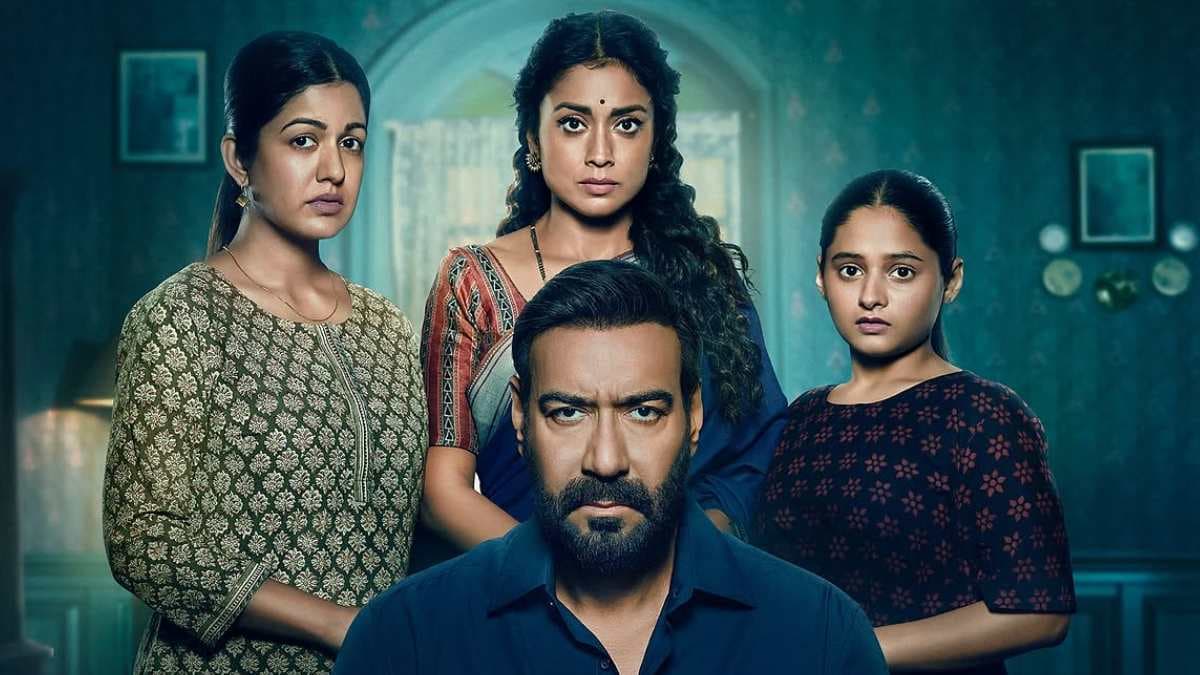 Photo via Koimoi - Movie Reviews
Drishyam: The Conclusion Ends With Silence — And That’s the Only Sound That Matters
Drishyam 3 | Drishyam: The Conclusion | Ajay Devgn | Jaideep Ahlawat | Tabu | Prakash Raj | Abhishek Pathak | Ravi Basrur | Koimoi | Bollywood | Indian Cinema | Thriller | Franchise Finale | Box Office | Movie Review | 2026
In this story
Live site hype
around 1 reading right now · 208 today
Reported from
This article was written by the CutMirchi desk from the reporting above. Facts are attributed to their original publishers.
Read next
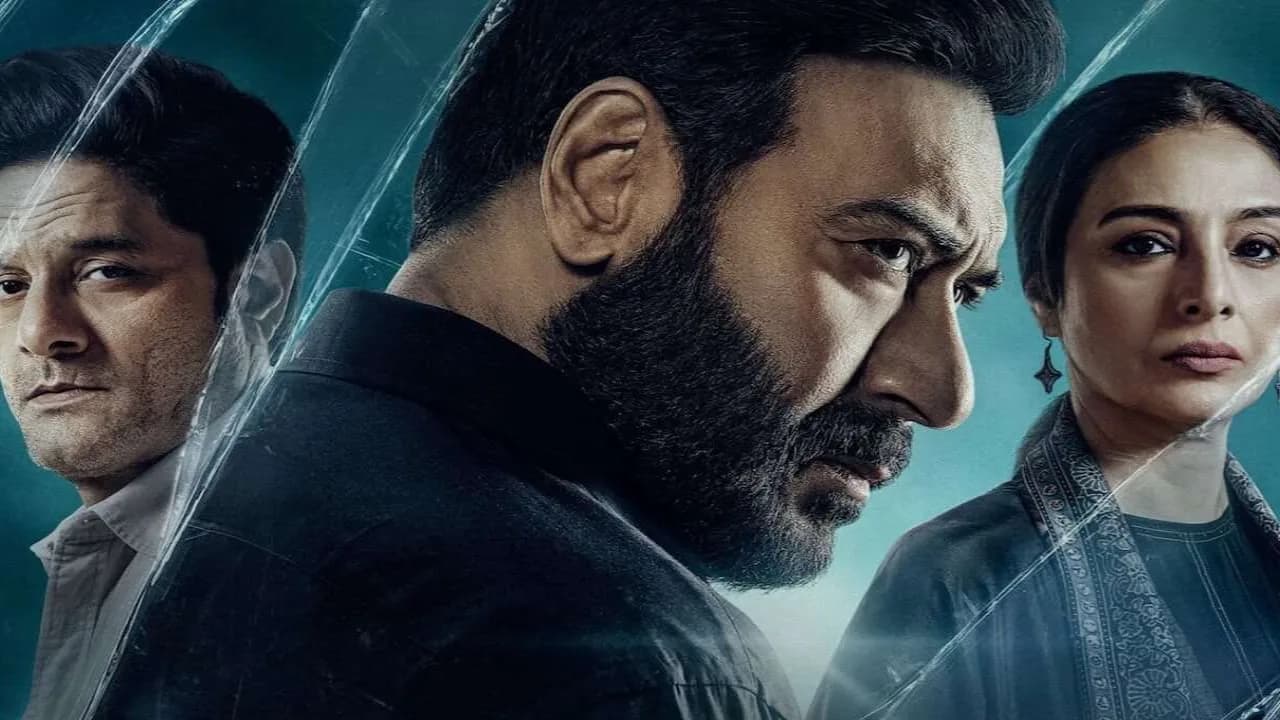
Drishyam 3’s Pre-Sales Smash: 4 Lakh Tickets Sold, Opening Day Set for Rs 50 Crore
Drishyam 3 sold 4.05 lakh tickets in advance—7th biggest pre-sale in Indian film history. Opening day: Rs 50 crore, possibly Rs 55 crore. Now, the real box office battle starts.
Drishyam 3 Concludes Franchise on a High Note
Drishyam 3, starring Ajay Devgn and Tabu, wraps up the popular franchise with a bold original story, strong writing, and powerful performances. The film is hailed as the best crime thriller of 2026 and a record-breaking blockbuster.
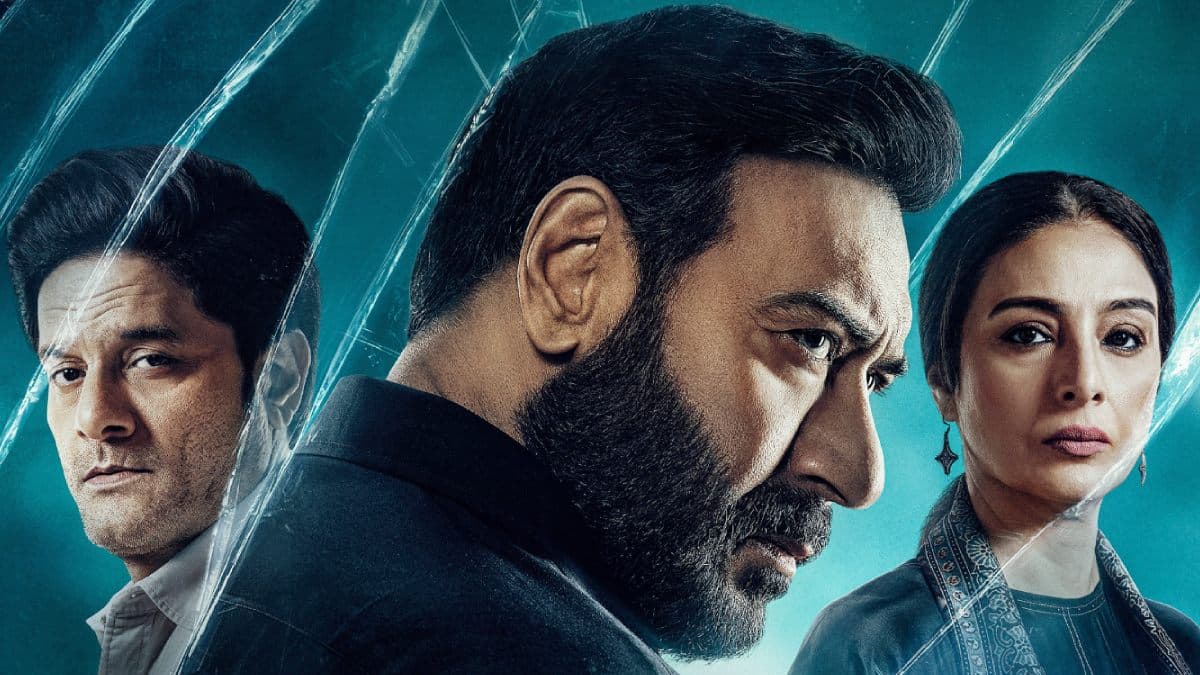
Drishyam 3 Trailer Crosses 100 Million Views In A Single Day
The trailer for Drishyam: The Conclusion crossed 100 million views in 24 hours and trended at number one on YouTube, as fans reacted to Ajay Devgn's new adversaries played by Jaideep Ahlawat and Prakash Raj.
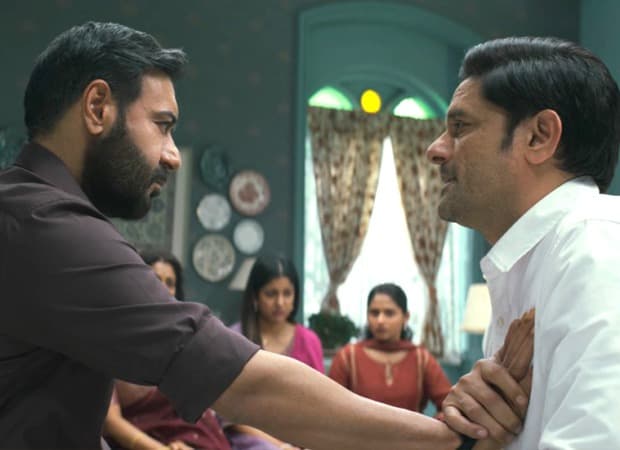
Drishyam The Conclusion Trailer Pits Ajay Devgn Against Jaideep Ahlawat
The trailer for Drishyam: The Conclusion is out, with Jaideep Ahlawat playing a Crime Branch officer hunting down Ajay Devgn's Vijay Salgaonkar. The film hits theatres October 2.
Be the first to comment
Join the argument. No password, just your email or a passkey.