Denis Villeneuve’s two‑part saga, now streaming, blends the political intrigue of Westeros with the galactic sweep of Lucas’s universe, drawing fresh praise.
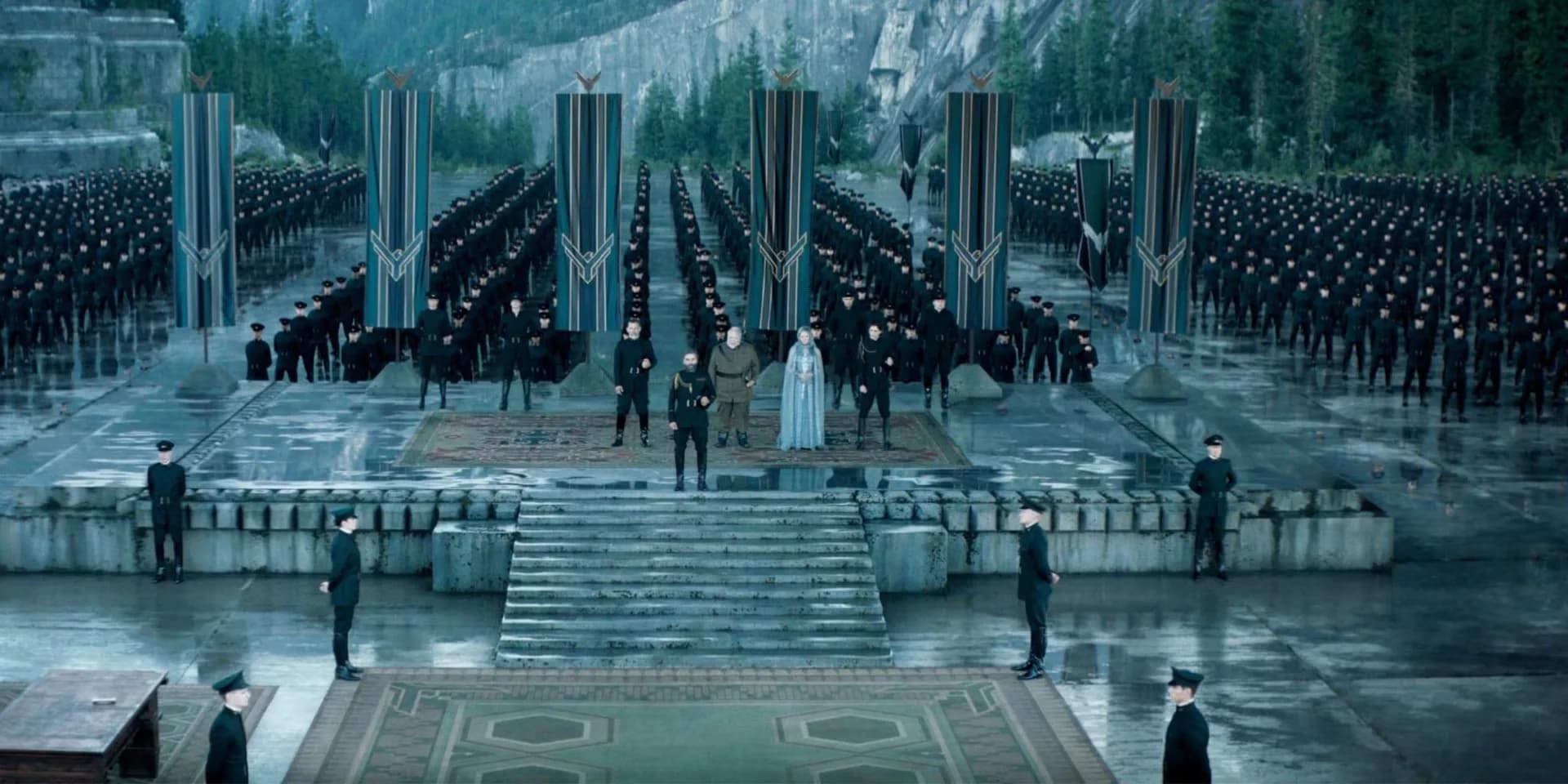
Denis Villeneuve’s new two‑part space epic, Dune, landed on HBO Max this week and instantly sparked talk of a rare crossover vibe. Critics are pointing out that the series feels like a mash‑up of the cut‑throat noble houses of Westeros and the sprawling interstellar mythos of a galaxy far, far away.
And it’s not just the visual spectacle that draws the comparison. The story opens with the charismatic Duke Leto Atreides, portrayed by Oscar Isaac, being handed stewardship of the desert planet Arrakis. The planet’s spice – a substance that fuels faster‑than‑light travel – becomes the centre of a deadly power game. The setup mirrors the way a medieval lord might be thrust into a treacherous throne‑room, only this time the stakes are interstellar.
But the real twist arrives when Leto’s son, Paul (Timothée Chalamet), steps into the fray after his father’s demise. He vows to rally the native Fremen and reclaim the planet, echoing the classic hero‑rise arc familiar to both fantasy and sci‑fi fans. Yet Villeneuve refuses a tidy victory. Paul’s ascent carries a dark undercurrent, hinting that great power can corrupt even the most well‑meaning leader.
World‑building and Power Plays
The series leans heavily on world‑building, painting a picture of an empire that hinges on the spice trade. The Imperium’s reliance on the substance mirrors the way the Galactic Republic in Star Wars depends on its own resources, while the political machinations echo the intrigue that kept viewers glued to Game of Thrones. The result is a narrative that feels simultaneously familiar and fresh.
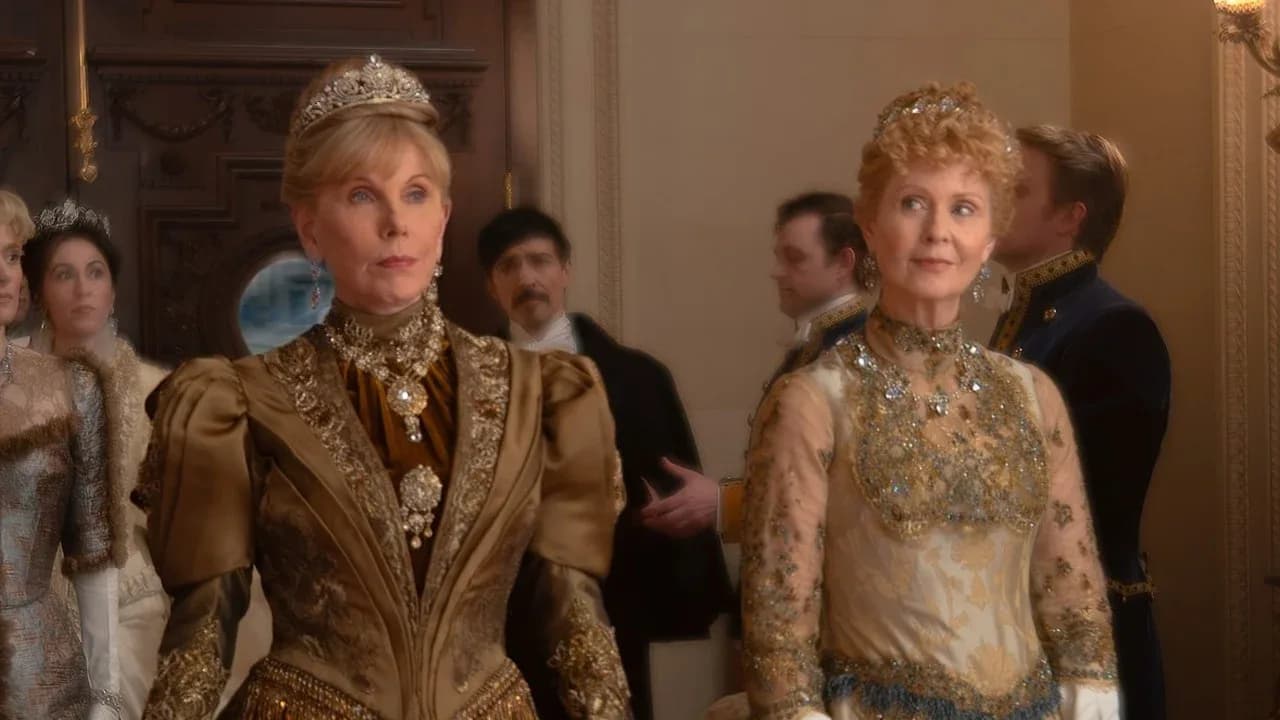
And the visual language backs that blend. Sweeping desert vistas sit beside sleek star‑ships, while the costume design nods to both medieval regalia and futuristic armour. It’s a look that feels like a love letter to two of the biggest franchises without feeling like a pastiche.
Fans on social platforms are already debating whether Dune will become the new benchmark for space operas. Some argue the series finally gives the spice‑centric storytelling the gravitas it deserves, while others feel the political drama overshadows the sci‑fi adventure. Either way, the buzz is undeniable.
So, as the two episodes roll out weekly, viewers have a clear invitation: dive into a world where desert dunes hide rebellion, and where every decision could tilt the balance of an empire. Whether you’re a Stark‑fan or a Jedi at heart, Dune promises a ride that feels both nostalgic and brand‑new.
The next episode drops next Friday, and if the current reaction is any guide, the conversation will only get louder.



Be the first to comment
Join the argument. No password, just your email or a passkey.