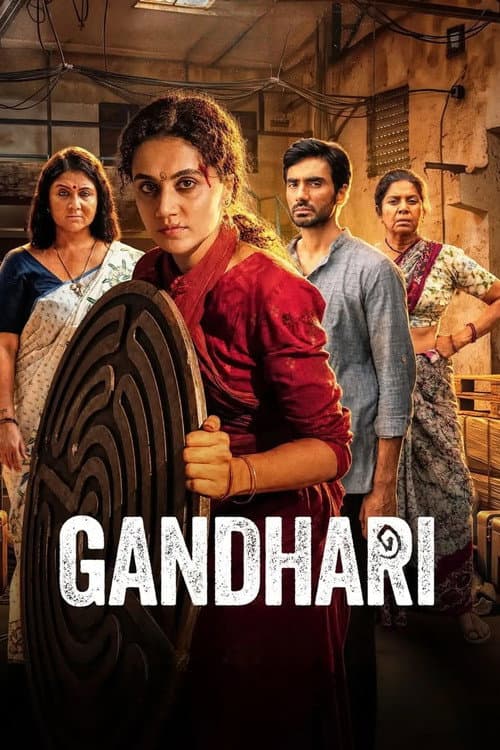
Taapsee Pannu's Gandhari is now the biggest Indian film performance on Netflix in 2026, with viewership surging after initial release. She attributes the sustained interest to strong content, not just star power. In an interview, she highlighted a gendered double standard: if the film had a male lead and male writer, '
Gandhari isn’t just trending on Netflix. It’s rewriting the rules of what a female-led Indian action film can be. Taapsee Pannu’s latest, which landed with a quiet thud in early September, has now surged to become the biggest Indian film performance on the platform in 2026 — on track to claim the top spot globally, according to internal metrics shared by sources familiar with the data.
The numbers don’t lie: viewership jumped after the opening weekend, not because of star power or marketing blitzes, but because people kept watching. That’s rare. That’s significant. And that’s exactly what Taapsee is calling out.
She didn’t just win the audience. She’s exposing the double standard behind it. “If the same film had a male lead and had been written by a male writer,” she said in a recent interview, “no one would have questioned its logic.” The line landed like a punch. Not because it was dramatic.
Because it was true. Audiences are quick to forgive narrative leaps when they come from men. When the protagonist is a woman, every plot hole becomes a moral failing. Every physical demand becomes a stretch.
Every choice feels too much. But Gandhari wasn’t built for easy forgiveness. It was built for impact. A woman chasing justice through fire, blood, and silence.
Taapsee trained for months. She did most of her own stunts. The film’s pacing is relentless. The tone is raw.
And yet, there were voices, some online, some in rooms. That questioned how believable it all was. How could a woman do this? Why so fast?
Why so violent? Why no emotional softness? The answers weren’t asked of male leads. They’re not asked of films where the hero is a man in a trench coat, breaking bones with a smirk.
So why are they demanded here? The film’s success isn’t just about views. It’s about validation. For Taapsee, it’s another chapter in a career defined by roles that refuse to shrink.
From Shershaah to Saand Ki Aankh to the quietly defiant roles in between, she’s been building a body of work that doesn’t need permission. Gandhari isn’t proof of a trend. It’s proof of a pattern being broken. And if the next big female-led film comes along and still gets scrutinized for its logic, we’ll know who to blame.
Not the story. Not the actress. The system.



Be the first to comment
Join the argument. No password, just your email or a passkey.