She disclosed the bizarre excuse during a chat with host Nayandeep Rakshit, adding that she’s also been dropped after a male lead objected to her casting.
During a candid conversation with host Nayandeep Rakshit, Taapsee Pannu let slip the most baffling line she’s ever heard from a producer: the hero’s wife doesn’t like you.
She said the comment came after she had already been signed onto a film, only to be told she was being replaced. No name was given, but the actress made it clear the reason was personal, not professional. "The worst reason given to me when I was replaced was, ‘The hero’s wife doesn’t like you.’ I don’t know why she didn’t like me," she recounted.
That wasn’t the only odd exit she described. In a separate episode, Taapsee recalled being dropped after the male lead himself raised objections. She explained that she was told the hero of the film had asked for her removal, leaving her to guess at motives ranging from insecurity to a desire to work with someone he knew better.
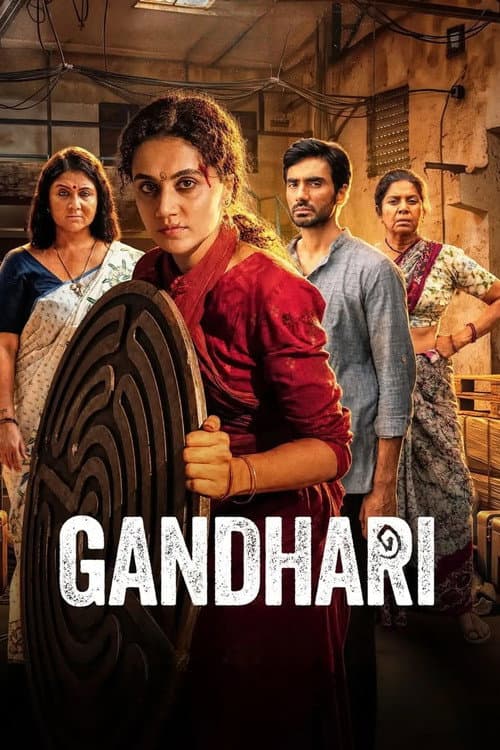
Both anecdotes surfaced while she was promoting her latest Netflix release, Gandhari, an action‑thriller that debuted on September 3 and quickly climbed to the top of the platform’s global chart. The film, directed by Devashish Makhija and written by Kanika Dhillon, showcases Taapsee in a gritty, no‑holds‑barred role that contrasts sharply with the glossy, formulaic parts she says the industry often recycles.
Casting in Bollywood: A Murky Process
Taapsee used the platform to vent a broader frustration: the industry’s reliance on a narrow pool of faces for specific genres. She argued that for glamorous roles there’s a set of five actresses who get the nod, and the same goes for hard‑hitting, issue‑driven projects. "Everyone is going into their comfort zone and using tried‑and‑tested methods," she said, echoing a sentiment many insiders have voiced.
To combat that, the actress claims she now turns down scripts that feel predictable, even telling makers that the audience will see the ending coming from a mile away. "Don’t cast me in this. It’s bad for your film," she told producers, adding that she has "de‑sold" herself from a few projects that didn’t meet her standards.
Her candour has sparked a flurry of reactions on social media. Fans rallied behind her, sharing stories of their own experiences with opaque casting decisions. Critics, meanwhile, warned that personal vendettas have long been part of the business, but that publicizing them could push studios to be more transparent.
What remains unclear is whether the incidents Taapsee described are isolated or symptomatic of a wider trend. No other actors have publicly named the projects in question, and the producers involved have stayed silent.
The conversation also highlighted a shift in how leading women are navigating Bollywood. By openly rejecting roles that feel like a repeat, Taapsee joins a growing list of stars who are leveraging their box‑office clout to demand better scripts and more agency.
As Gandhari continues to rack up streaming numbers, the actress’s next move will be watched closely. She hinted at a possible collaboration with a director known for socially relevant cinema, but details are still under wraps.
For now, the industry is left with a reminder that behind every glossy poster lies a negotiation table where personal preferences can tip the scales. Whether that will change remains to be seen, but Taapsee’s willingness to speak out may have nudged the conversation a little further.
The next time a star is swapped out, perhaps the reason will be listed on the press release instead of whispered behind closed doors.





Be the first to comment
Join the argument. No password, just your email or a passkey.