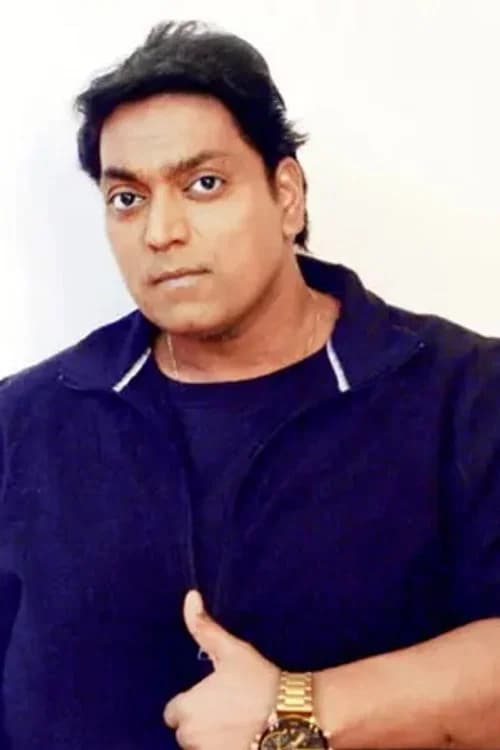
Ganesh Acharya’s first film as director isn’t just a biopic — it’s a reckoning. Dust to Stardust, set for release on December 11, is the choreographer’s unflinching dive into his own past: a childhood shaped by loss, poverty, and a father’s dream he didn’t want. The trailer drops not with fanfare but with quiet precision, opening before his birth, framing his destiny as preordained. His father, a classical dancer whose talent was buried by circumstance, vowed his son would become a popular dance master. But little Ganesh didn’t want that path. He heard the dhol, not the tabla. He ran toward rhythm, not tradition. That refusal becomes the film’s heartbeat. When his father dies, the family collapses. Teenage Ganesh takes odd jobs. Cleaning, carrying loads, until dance pulls him back, not as a student, but as a teacher. The trailer shows him standing in front of a class, no longer a boy, but a man who’s learned how to survive through movement. The choreography? It’s not just spectacle. It’s survival. Every step is a memory. Every sequence, a rebellion. This isn’t just a dance film. It’s a story about how art becomes armor. The cast includes Shivanshu Soni, Alok Shaw, Sukanya Kalan, Sakshi Pawaskar, Jaywant Wadkar, Vidya Joshi, Neeshanth Sathiyanarayanan, Disha Pandya, Rudransh Pawar, Anjali Nair, Sanchi Daundkar, Ananya Tekawade, and Dinesh Hebbar. Soundarya Acharya produced the film, with Digangana Suryavanshi and Ganesh Acharya co-writing the screenplay and dialogues. Songs are sung by Sonu Nigam, Sunidhi Chauhan, Nakul Abhyankar, Savaniee Ravindrra, and Junaid Kumar. After years of ABCD’s flash, Bollywood finally gets a full-scale dance narrative. Not from a studio, but from a master who lived it. The film promises to explore the lesser-known rags-to-riches journey of a boy who loved dancing and became a respected name in Indian cinema. Koimoi reported the trailer dropped on Sunday, offering a glimpse of Ganesh’s early life and his love for dance, as well as the stellar choreography he himself has crafted. The film marks a rare instance of a choreographer stepping behind the camera to tell his own story, blending personal history with cinematic form. Whether it resonates beyond nostalgia remains to be seen, but the rawness of its premise is undeniable. The question now isn’t whether it’ll work. It’s whether the industry can handle a truth this raw.
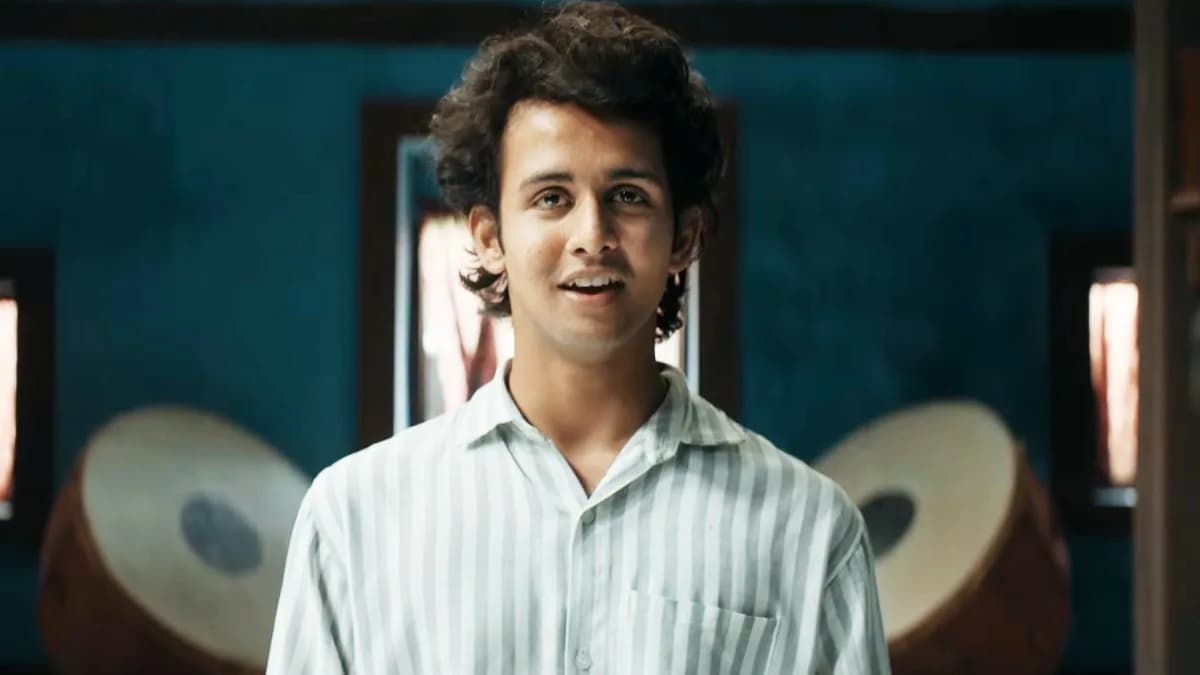 Photo via Koimoi - Movie Reviews
Ganesh Acharya’s Life Story Hits Screens On December 11 With Raw, Unfiltered Truth
The trailer for Dust to Stardust reveals more than choreography. It reveals a man who danced through grief, and a film that refuses to glamorize the grind.
In this story
Live site hype
around 2 reading right now · 381 today
Reported from
This article was written by the CutMirchi desk from the reporting above. Facts are attributed to their original publishers.
Read next
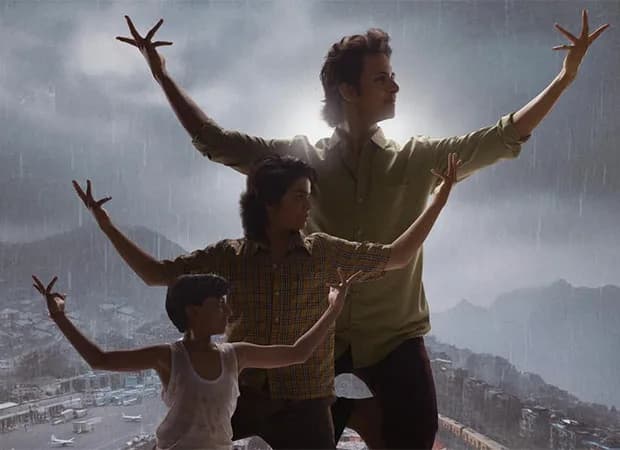
Ganesh Acharya Unveils Trailer for 'Ganesh Dust To Stardust'
Ganesh Acharya has unveiled the trailer for his directorial debut, 'Ganesh Dust To Stardust', starring Shivanshu Soni, Alok Shaw, Sukanya Kalan, and Sakshi Pawaskar. The film explores ambition, sacrifice, and the role of dance in chasing dreams, with a December 11, 2026 release planned.
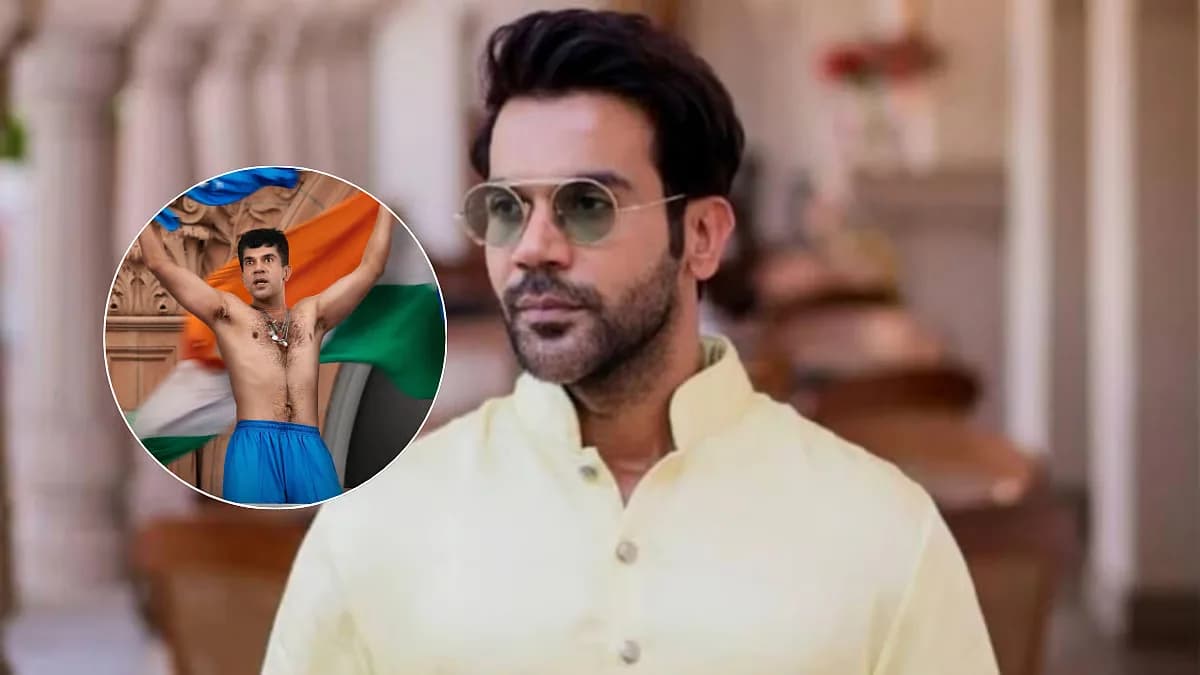
Dada Poster Backlash: Rao Confirms Team Learned From Rushed First Look
The ones who made it have learnt their lesson,
Jeremy Allen White Says He’d Play Gene Wilder
He’s not waiting for permission. He’s asking for it.
Rajkummar Rao Gains 8kg for Prahaar Role
Rao gained 8kg to play Ujjwal Nikam. The film releases October 16.
Be the first to comment
Join the argument. No password, just your email or a passkey.