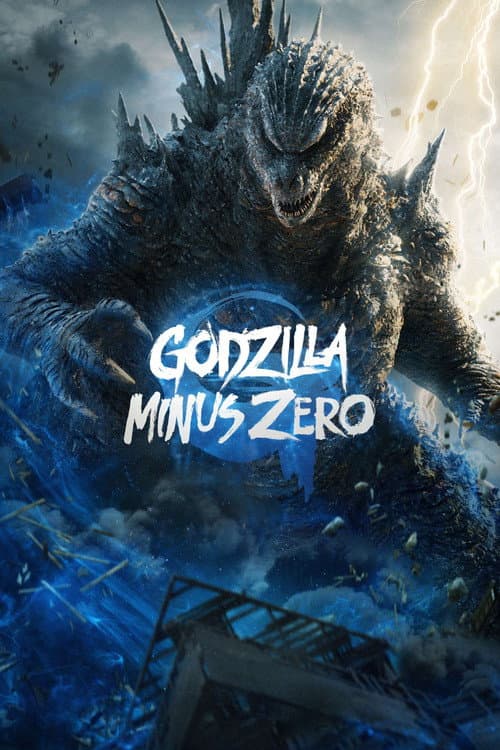
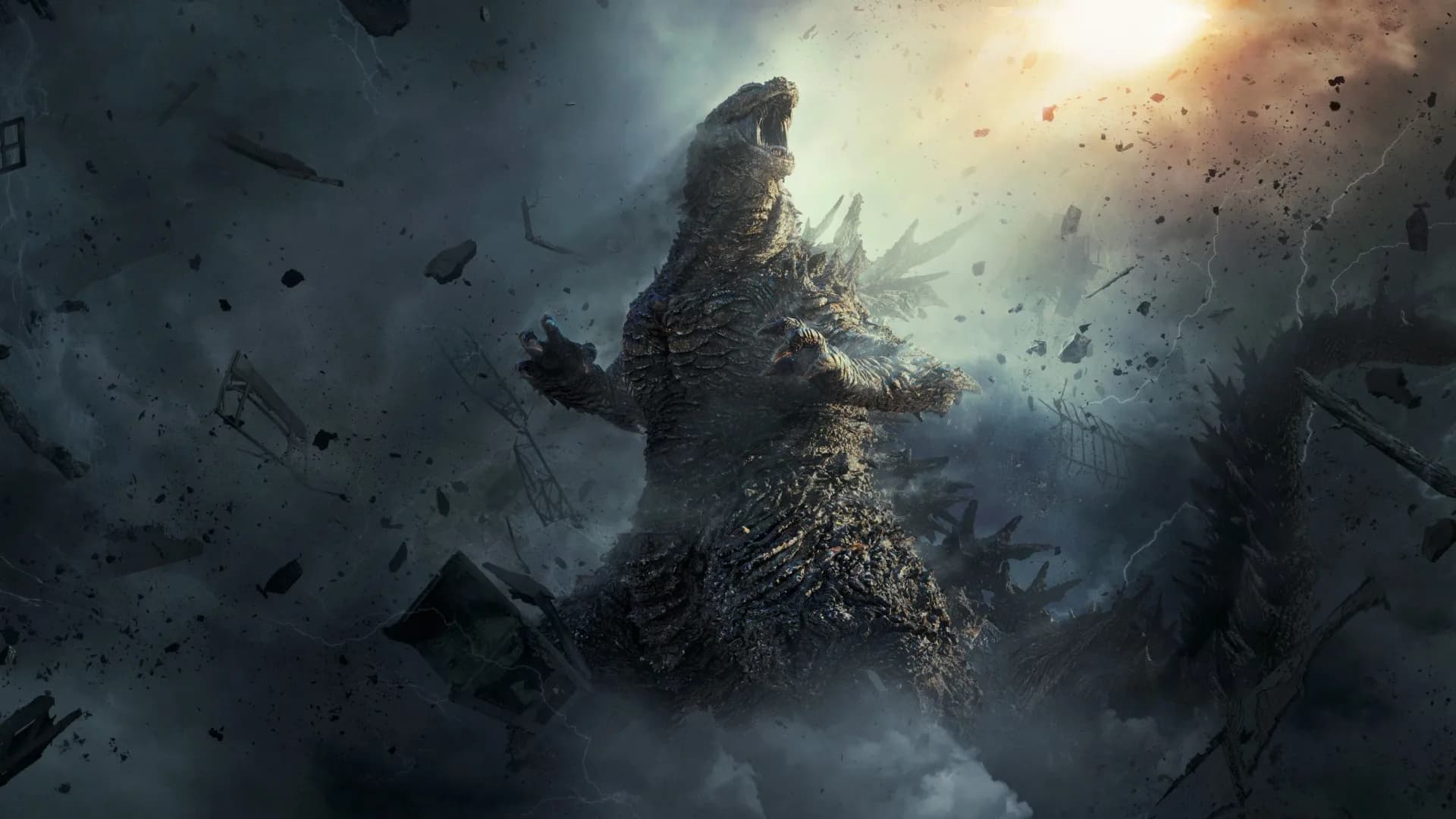
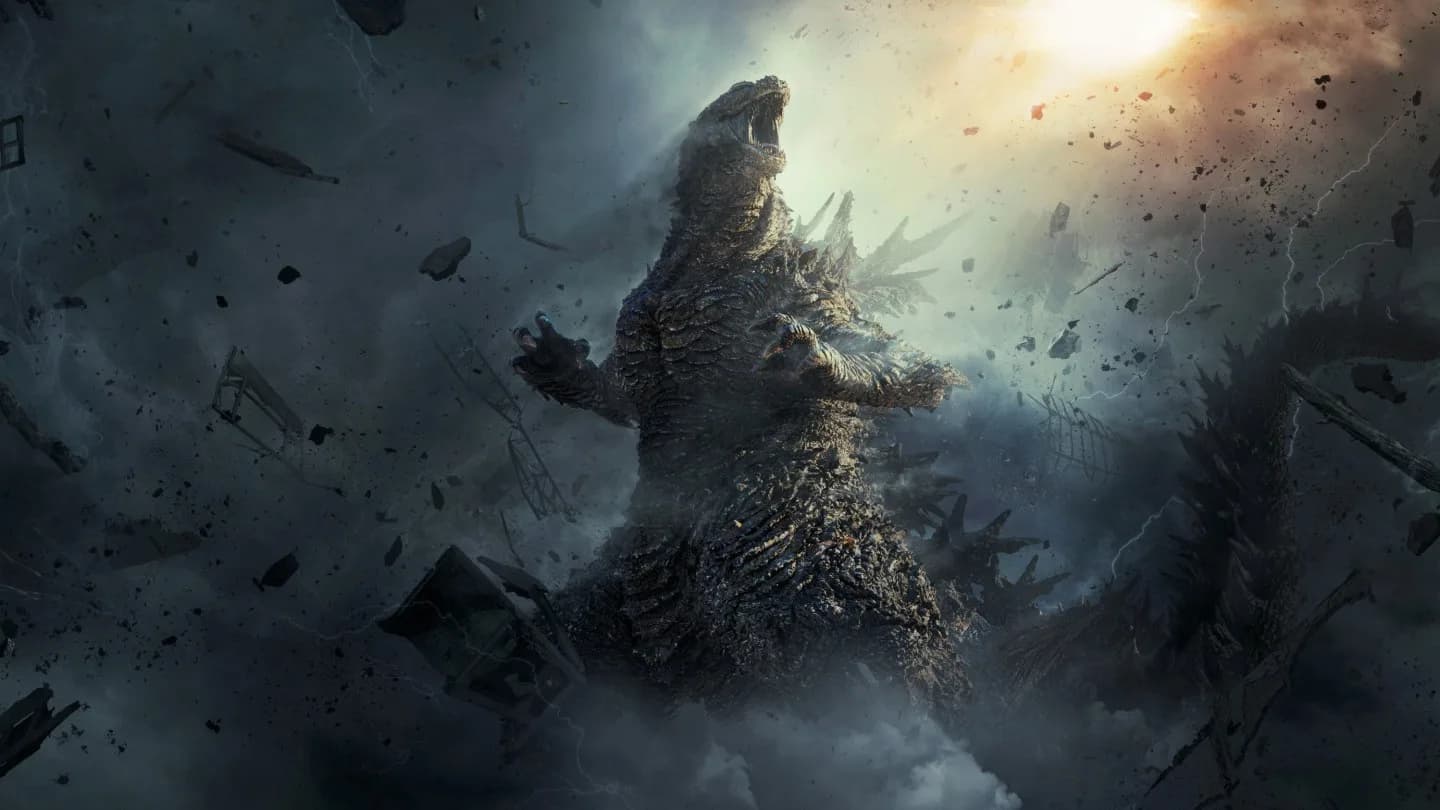
Godzilla Minus Zero lands in theaters Friday, November 6 — and it’s not just a sequel. It’s a reckoning.
Godzilla Minus Zero hits theaters Friday, November 6 — and it’s not just a sequel. It’s a reckoning. The film, which premiered at the 2026 New York Film Festival, is already being called the most emotionally devastating kaiju movie since the original Godzilla in 1954. And yes, that title still makes no sense.
But then again, neither does war. Or grief. Or trying to rebuild after everything’s been erased. That’s the point.
Takashi Yamazaki’s follow-up to his Oscar-winning 2023 smash doesn’t just continue the story of ex-kamikaze pilot Kōichi Shikishima (Ryunosuke Kamiki). It turns him into a man who wants to forget. Not because he’s weak, but because he’s seen what happens when you fight. Now married to Noriko (Minami Hamabe), with an adopted daughter Akiko (Sae Nagatani) and a leather jacket that says ‘I don’t care anymore,’ Shikishima has traded the cockpit for quiet.
He wants peace. He wants normalcy. He wants to be left alone. But King Ghidorah isn’t interested in small talk.
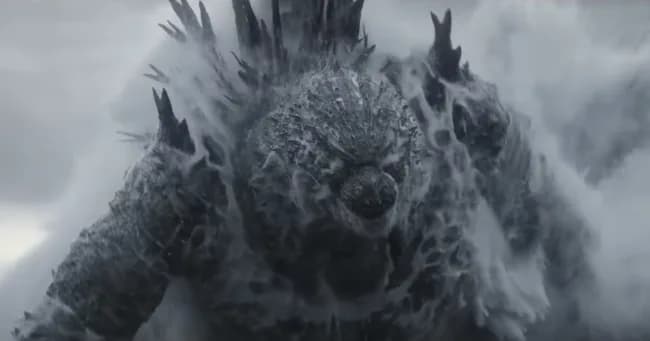
The three-headed monster, a flying, meteorite-fallen abomination, crashes into Japan in 1949, two years after the events of the first film. By now, Godzilla is gone. Buried. Forgotten.
And Ghidorah? He’s not just bigger. He’s meaner. And he’s got a taste for cities.
The real battle isn’t against the monster. It’s against the idea that survival means fighting. Noda (Hidetaka Yoshioka), the Einstein-haired naval engineer who survived the war, knows this. He’s built a disaster response bureau.
He’s ready. But the U.S. Military? They’re not here to help. They’re here to exploit.
Their soldiers are loud, arrogant, and utterly blind to the trauma that shaped Japan’s postwar psyche. They see kaiju as weapons. Not warnings. Meanwhile, Shikishima sees them as ghosts.
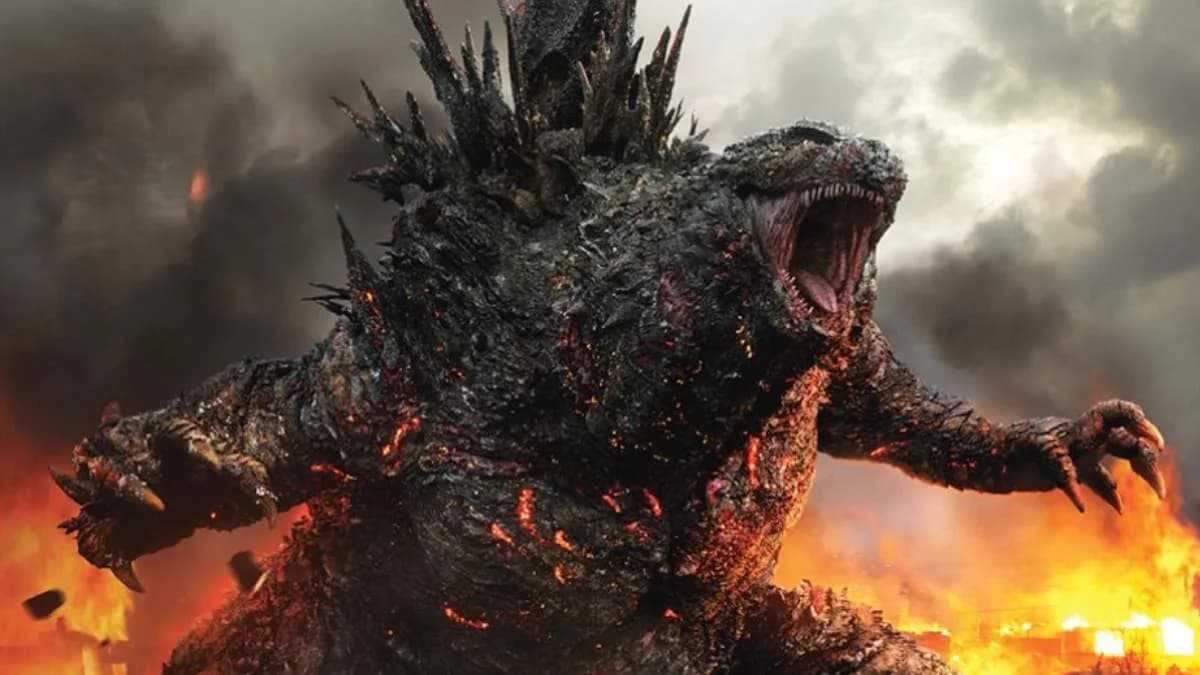
His past isn’t history. It’s a wound. And every time he hears a plane, he flinches. There are only two full-scale monster battles in the film.
One over Matsumoto. One over the skies above Nagano. Both are brutal. Both are beautiful.
The aerial sequence above Matsumoto, scored by Naoki Satō’s Wagnerian strings, is one of the most visceral setpieces in recent memory. You don’t just watch it. You feel it in your chest. And yet, the film’s true power lies in what it leaves out.
No grand speeches. No last-minute heroics. Just people trying to survive. A biologist who lived through Hiroshima, Ginza, and Matsumoto.
A meteorologist who can predict storms before they happen. A father who just wants to keep his family safe. It’s not about who wins. It’s about who survives.
And whether that’s enough. Godzilla Minus Zero opens in select theaters on Friday, November 6. GKIDS will handle the release. The film is already generating buzz, not just for its spectacle, but for its quiet, unflinching look at what comes after the fire.
After the bomb. After the monster. After the world ends. What happens next?
That’s the question. And it’s one we’ll all have to answer.
Be the first to comment
Join the argument. No password, just your email or a passkey.