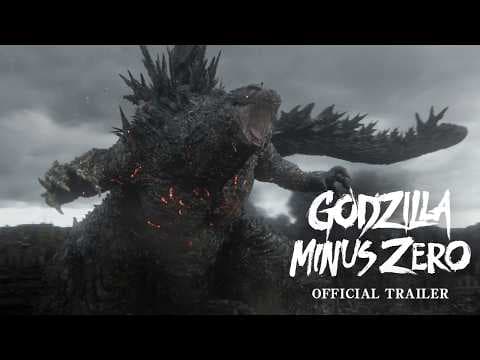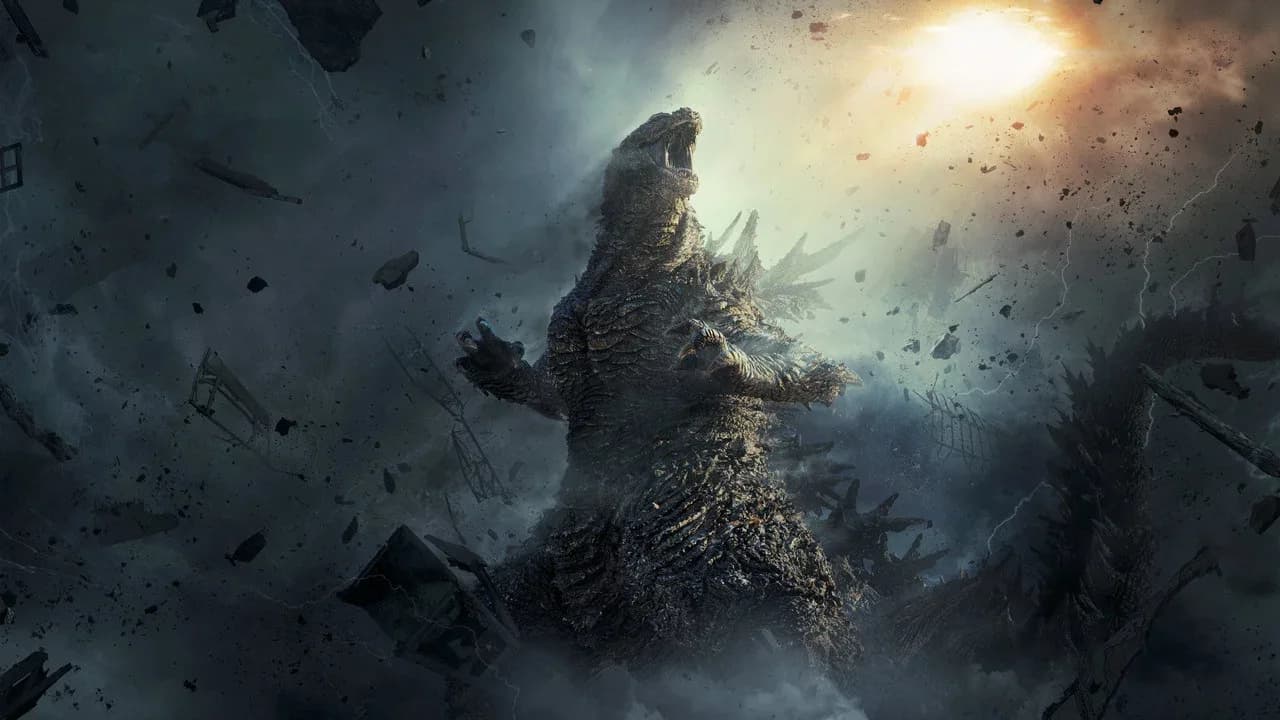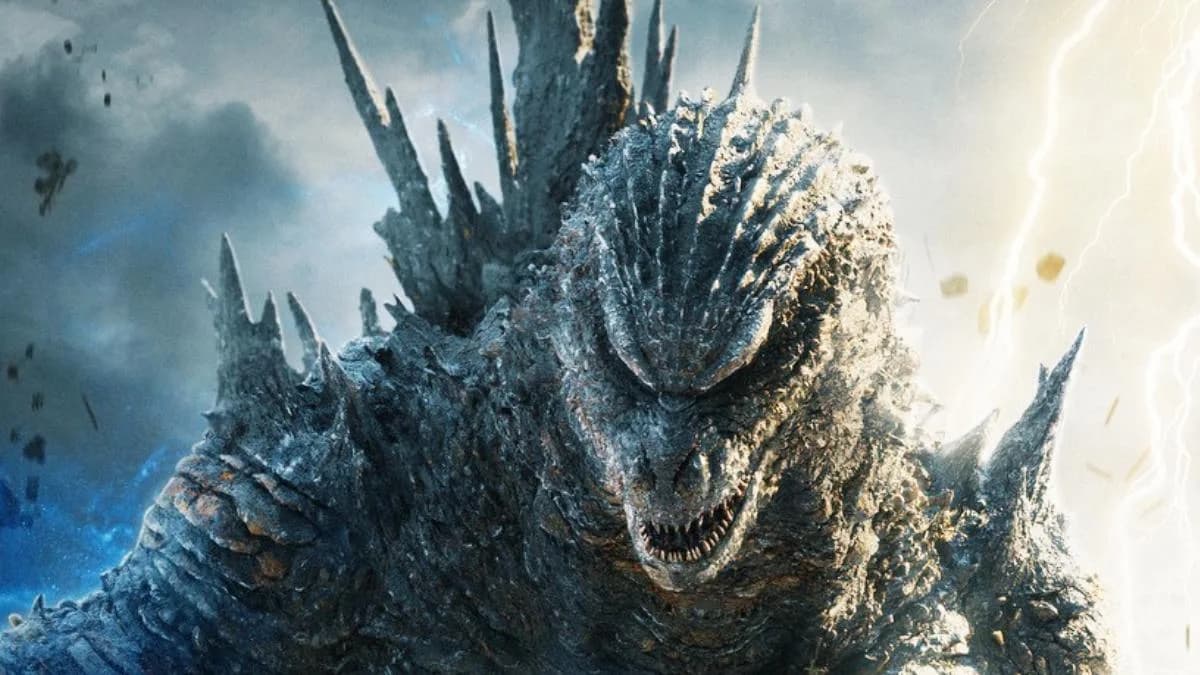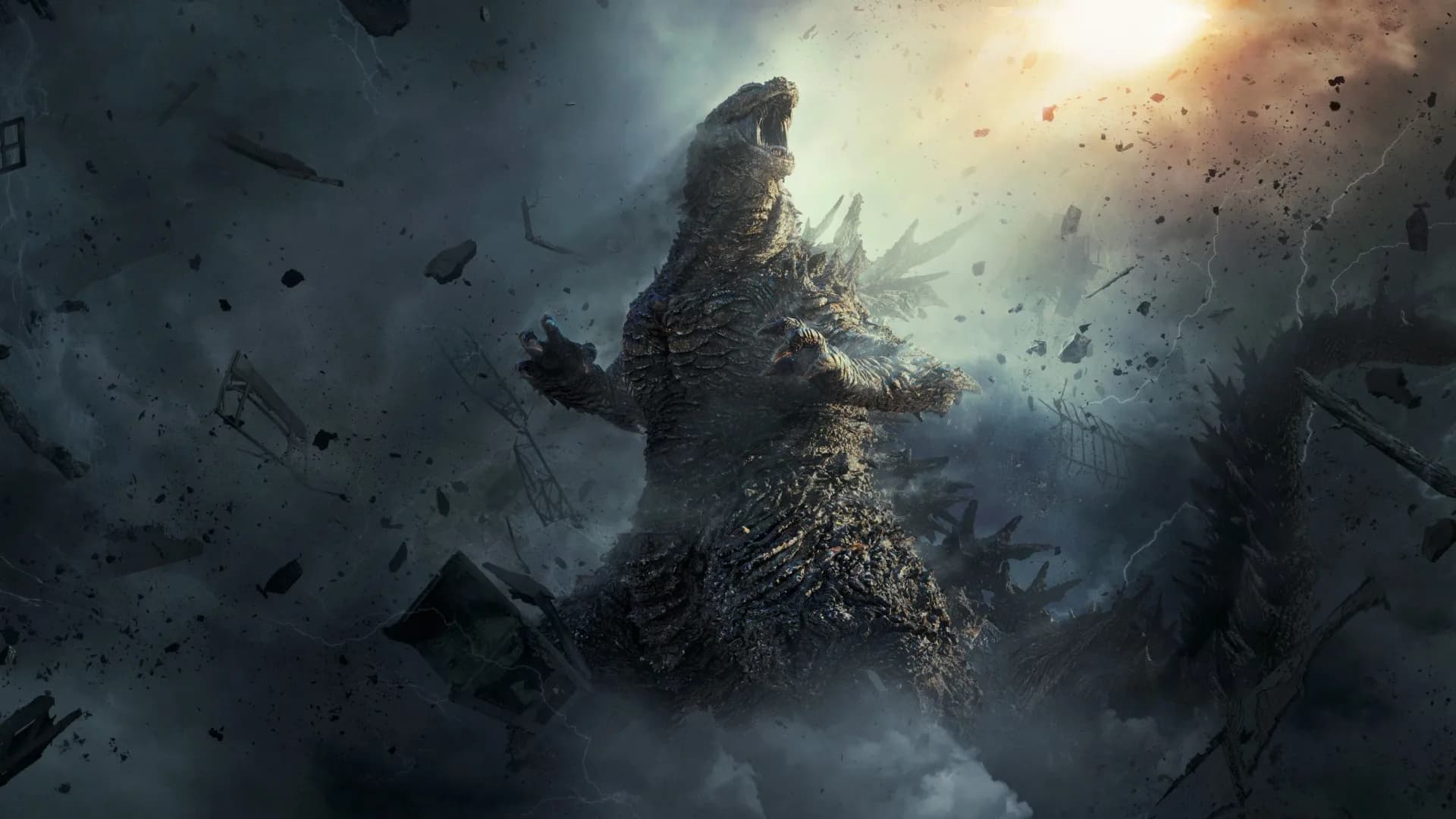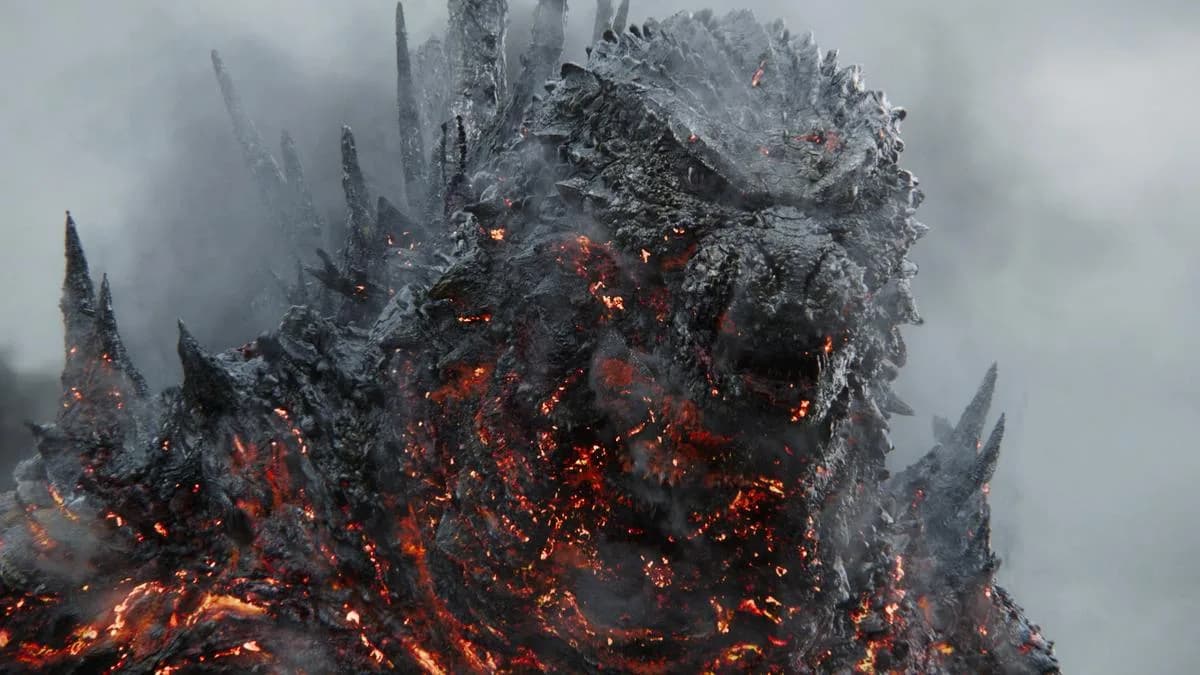
Godzilla Minus Zero: Yamazaki’s Kaiju Requiem Is a Thunderous, Unflinching Return
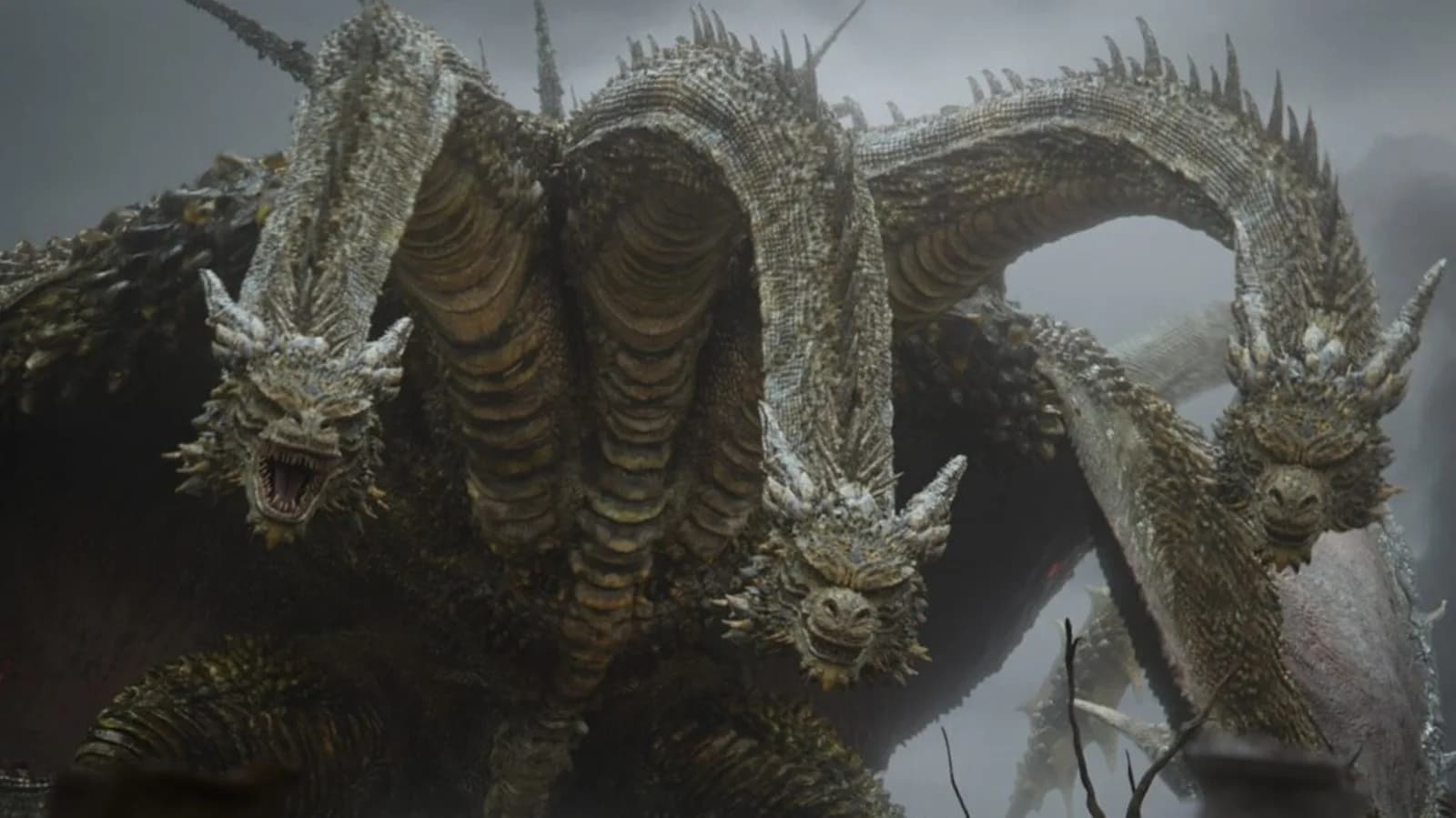
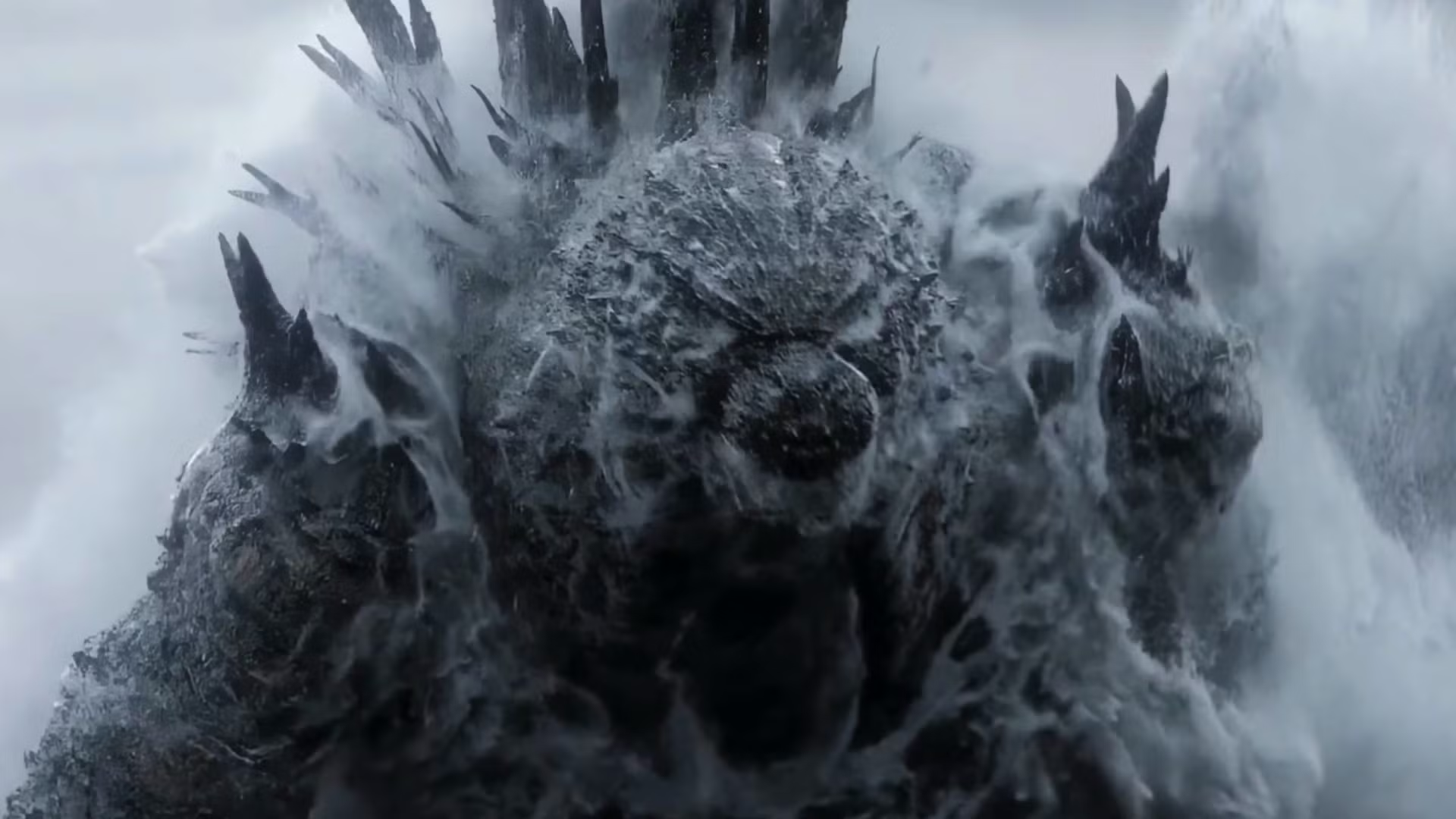
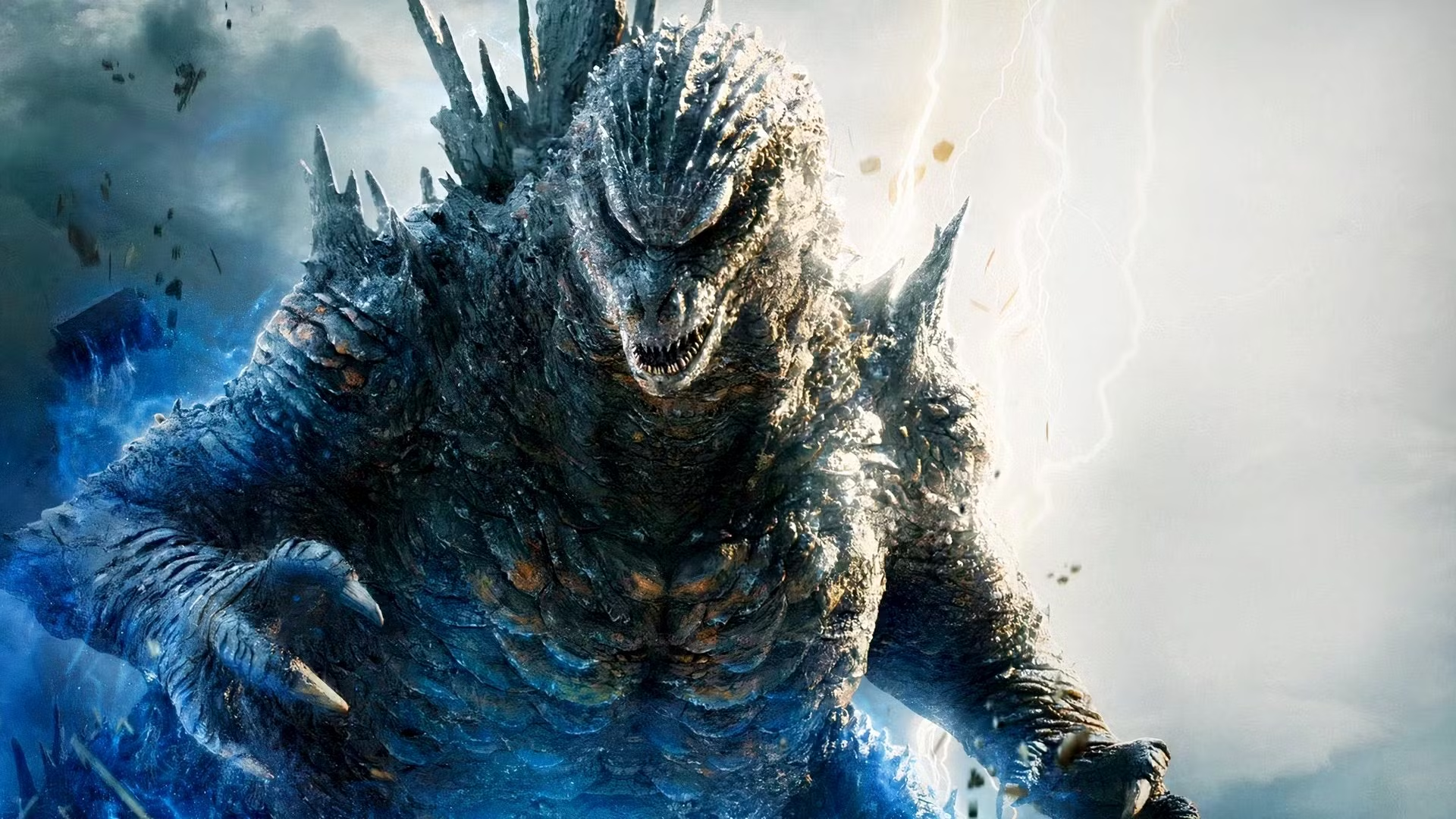
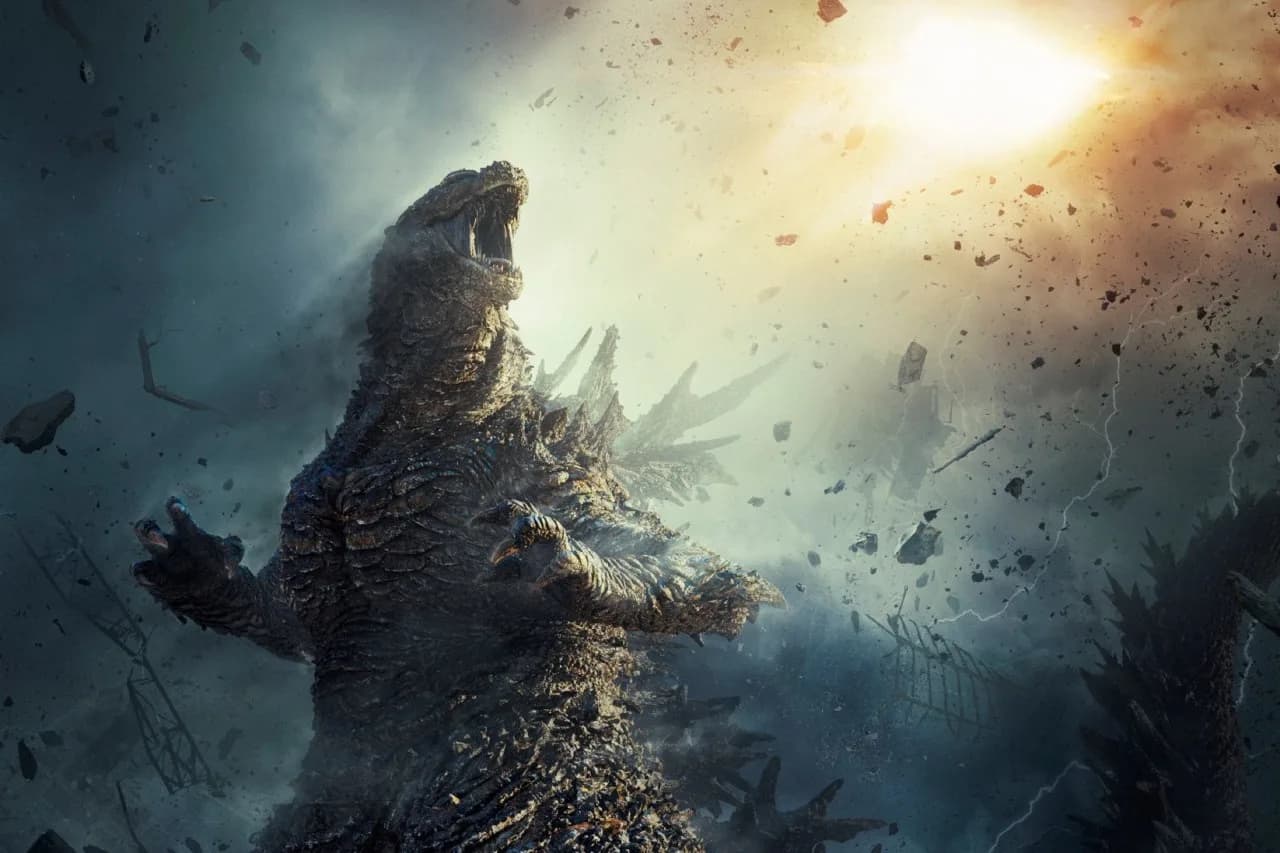
The King of Monsters returns not with a roar, but with a silence so deep it feels like the world holding its breath. Then, Ghidorah arrives.
Topic
Kaiju are giant creatures central to a genre of films featuring massive battles, often with human characters caught in the aftermath. CutMirchi covers their evolving role in cinema, focusing on themes of war, trauma, and legacy through recent releases.

The King of Monsters returns not with a roar, but with a silence so deep it feels like the world holding its breath. Then, Ghidorah arrives.

The sequel to Godzilla Minus Zero didn’t just survive the shadow of its predecessor — it thrived. Now, with a global haul of $105 million and fresh awards buzz, the question isn’t whether there’ll be a follow-up. It’s what kind of monster will rise next.

Godzilla Minus Zero opened to $34 million in the U.S. this weekend and a 90% Rotten Tomatoes score. But the number people are talking about is a single dream sequence that redeems the franchise's worst American outing.

Godzilla Minus Zero is in theatres, and it’s already making noise—so much so that trade sources are calling it the strongest opening ever for a foreign-language film in North America. The numbers aren’t just strong; they’re stomping the competition.

Godzilla Minus Zero’s final scene isn’t closure—it’s a loaded pause. The Shikishima family stays together, but they’re not looking at each other. Their future? Uncertain. Noriko’s body still holds Godzilla’s G-Cells. Her connection to the monster isn’t over. Director Takashi Yamazaki says he’s torn: continue the story, or end it here? The box office says: keep going.

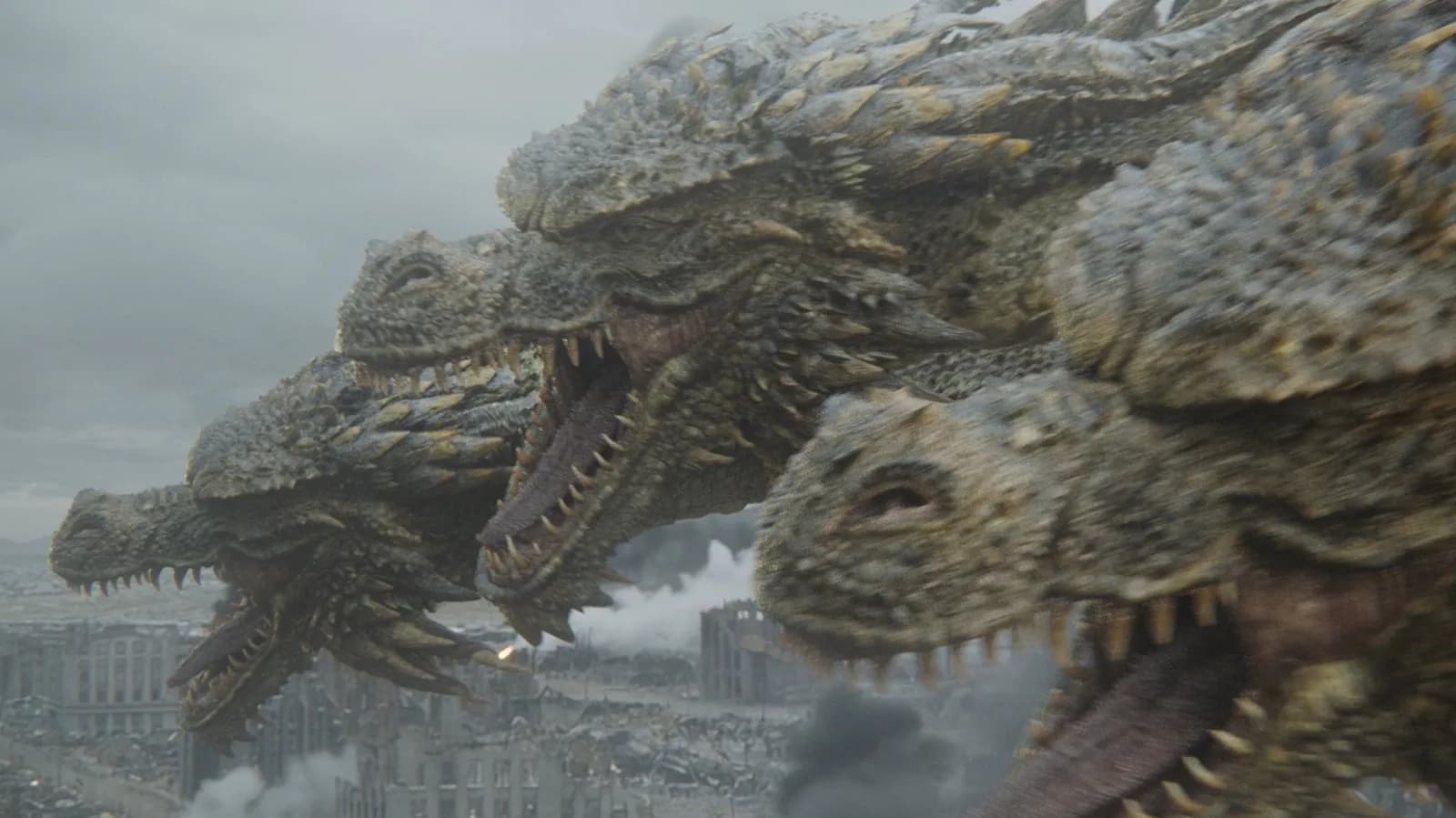
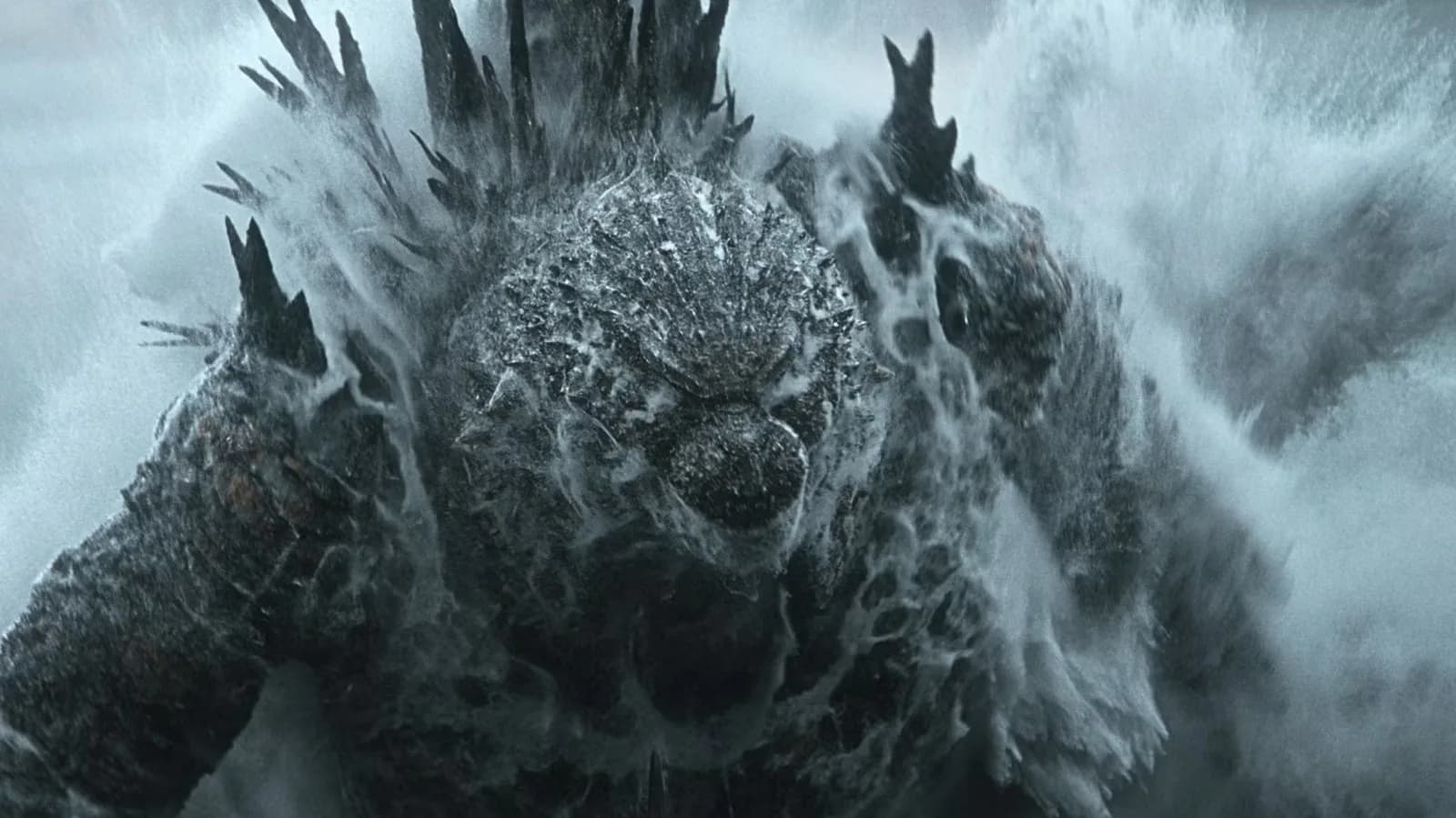
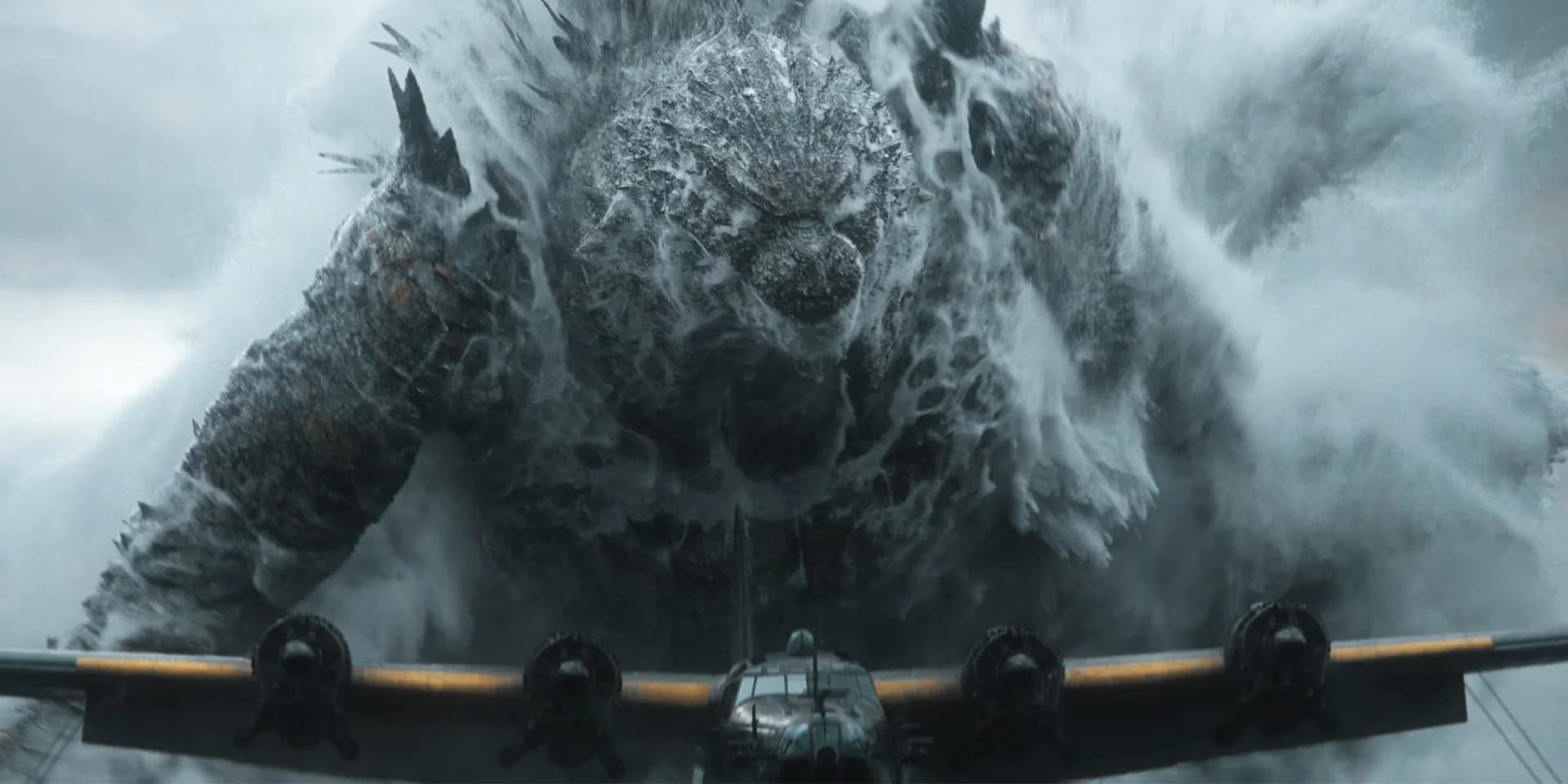
Godzilla Minus Zero turns King Ghidorah into a living weapon of evolution, and the original 1964 film that introduced him is now streaming on HBO Max.

Godzilla Minus Zero is in theaters, and it’s already rewriting the rules of kaiju combat. The film, which opened on November 6 in the US and Canada, has landed with a roar—$30 million projected in North America, $60 million globally—and a 96% audience score on Rotten Tomatoes, just shy of its predecessor’s 98%. It’s also the first Japanese movie shot for IMAX, and the first Godzilla film to earn a

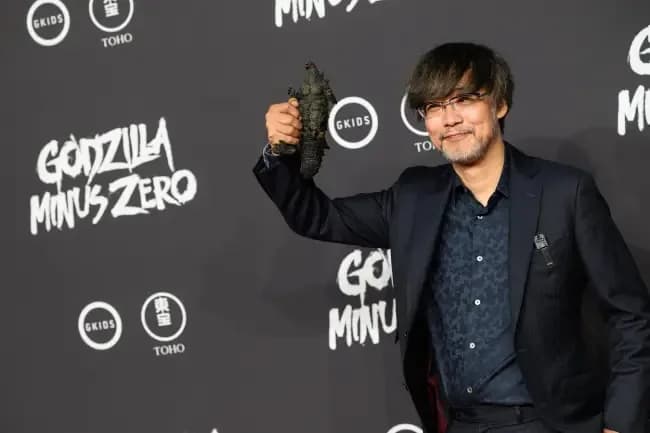
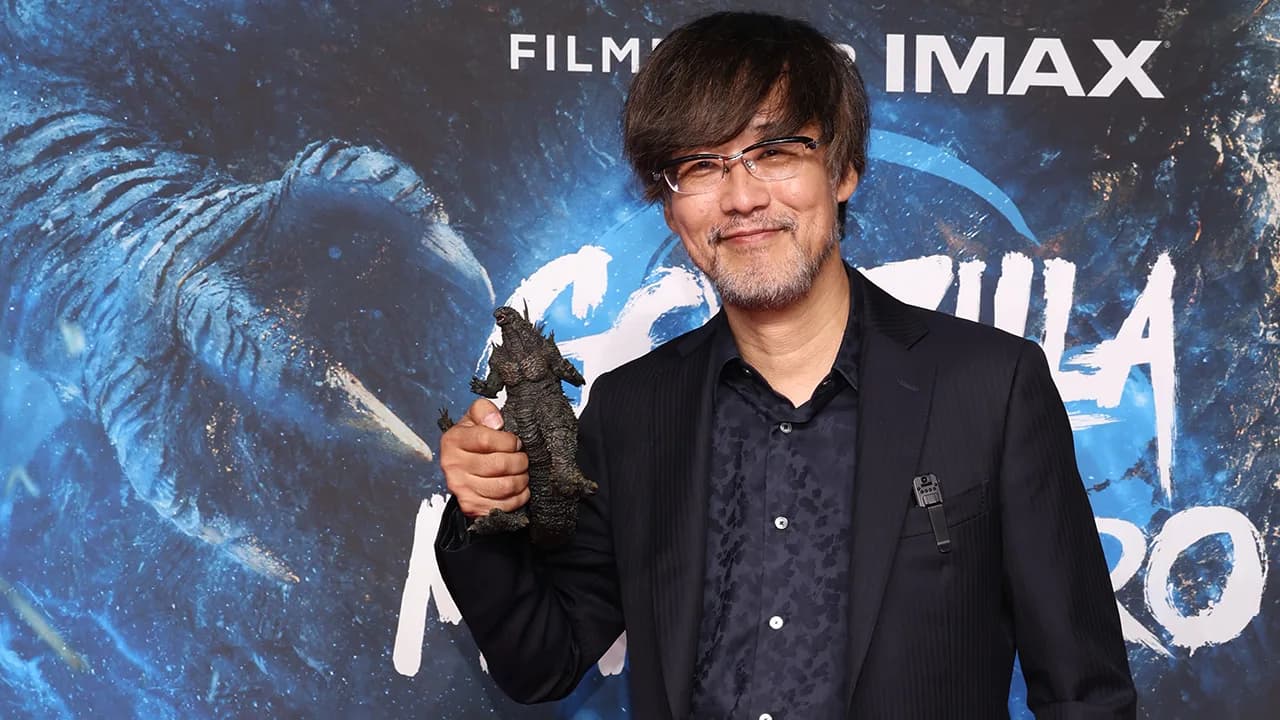
Takashi Yamazaki has finally given his younger self the scene he always wanted. Not just any scene—King Ghidorah tearing through Matsumoto, the city where Yamazaki grew up.

Godzilla Minus Zero opens in theaters on November 6, delivering a brutal follow-up to its predecessor. The film’s R-rating reflects its graphic depictions of devastation, grief, and historical trauma, marking a stark departure from typical kaiju spectacle.

The film’s R rating isn’t just for violence — it’s for the bodies left behind. The sound design? Meant to scare you before you see the monster. And the story? About living after the end.

Godzilla Minus Zero ends with Shikishima and Noriko escaping U.S. military custody, taking their adopted daughter Akiko with them. The film sets up a future where governments seek to weaponize kaiju, while the family’s bond becomes central to the next chapter.

Takashi Yamazaki confirms a sequel to Godzilla Minus Zero is in development, set in 1949 and focused on the Shikishima family facing King Ghidorah. The film’s R rating stems from its harrowing depiction of Hiroshima’s aftermath and a dream sequence showing genocide — marking a shift from the franchise’s usual PG-13 tone. Yamazaki remains undecided on a third film, but says he’d be sad if this were

The Shikishima family’s separation scene is gut-wrenching. No music. Just a child’s scream. That’s the heart of Godzilla Minus Zero.

Takashi Yamazaki’s Godzilla Minus Zero opens in Japan on November 3, 2026, with Ghidorah as the new threat. The film continues the Shikishima family’s story in 1949, two years after the events of Minus One. GKIDS will release it in North America on November 6.

Godzilla Minus Zero arrives in Indian cinemas on November 20, 2026, following a strategic release window to avoid religious festival clashes. The film, directed by Takashi Yamazaki and starring Ryunosuke Kamiki, continues the story of Shikishima, a former kamikaze pilot who must return to combat after Ghidorah devastates a village. With stunning visuals, emotional weight, and a return of the title

Godzilla Minus Zero opens in the U.S. on Friday — and director Takashi Yamazaki says he made it to have fun, not to outdo the Oscar-winning original.

The film’s true power lies in what it leaves out. No grand speeches. No last-minute heroics. Just people trying to survive.

Godzilla Minus Zero has been pulled from over a thousand US theaters as it enters its third weekend, squeezed out by The Hunger Games and I Play Rocky, even as its worldwide haul keeps climbing past its budget many times over.

Collider’s ranking of the best monster movies places the original Godzilla at the apex—not for spectacle, but for sorrow. The film’s nuclear allegory, buried beneath decades of reboots and hero arcs, remains its true power.

Godzilla Minus Zero’s early reviews hail it as a deeply emotional, visually staggering sequel. Critics praise its handling of war trauma, VFX, and character depth. The film premieres next month.

Godzilla Minus Zero is tracking for a $25 million-plus opening weekend in North America, more than double its predecessor's debut, but still far from the $181.3 million record held by Black Panther: Wakanda Forever.

Godzilla Minus Zero is tracking for a $25 million opening in North America—over twice the debut of its 2023 predecessor. With a 97% Rotten Tomatoes score and IMAX-exclusive filming, the sequel is poised to redefine global kaiju cinema. Release date: November 6.

Takashi Yamazaki’s Godzilla Minus Zero opened the 2026 New York Film Festival to rave reviews, with its gritty R‑rated kaiju action and human drama reigniting Oscar chatter for the franchise.