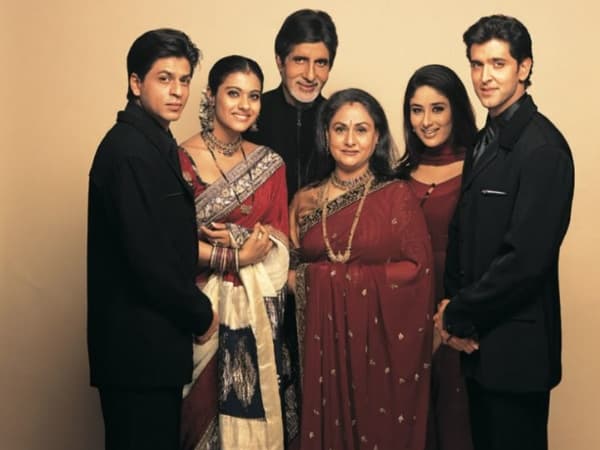
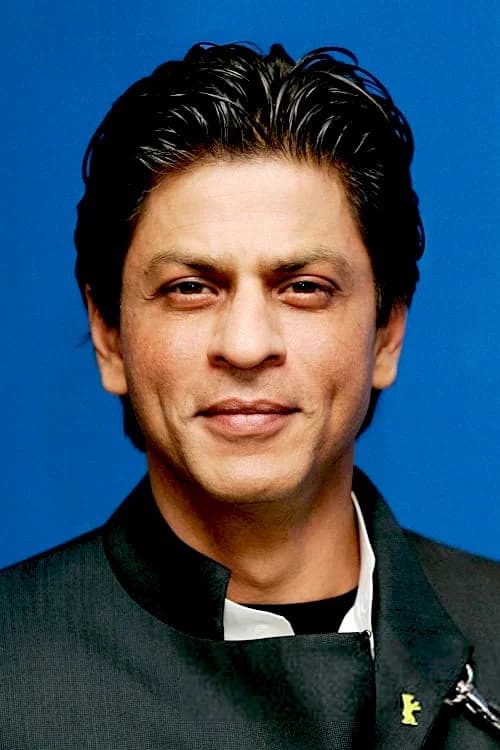
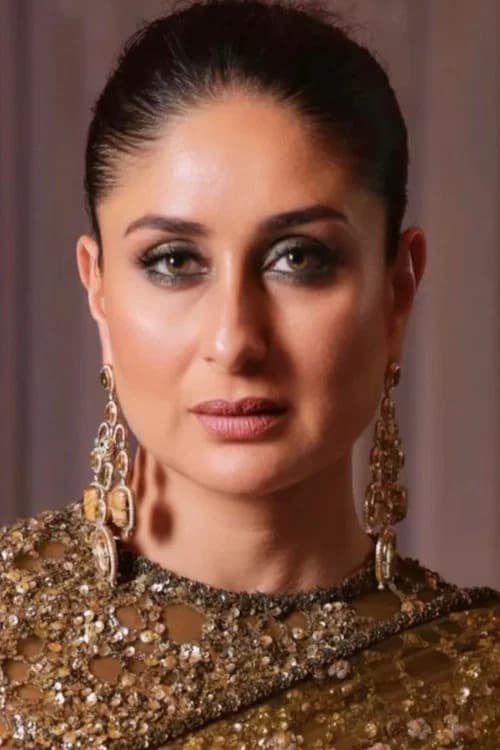
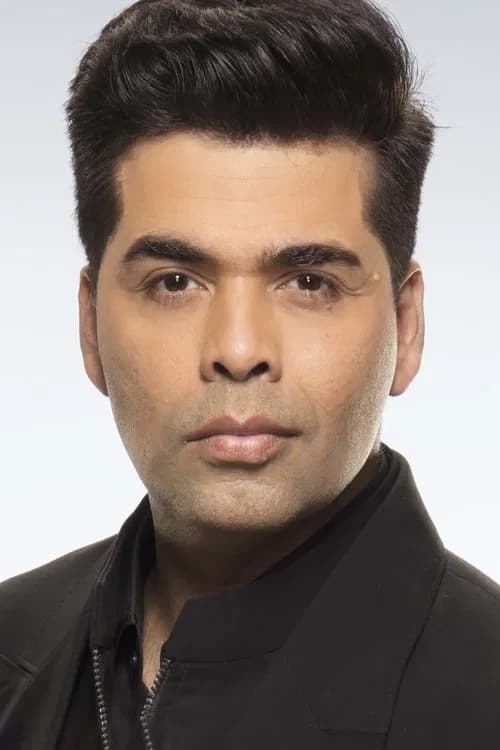
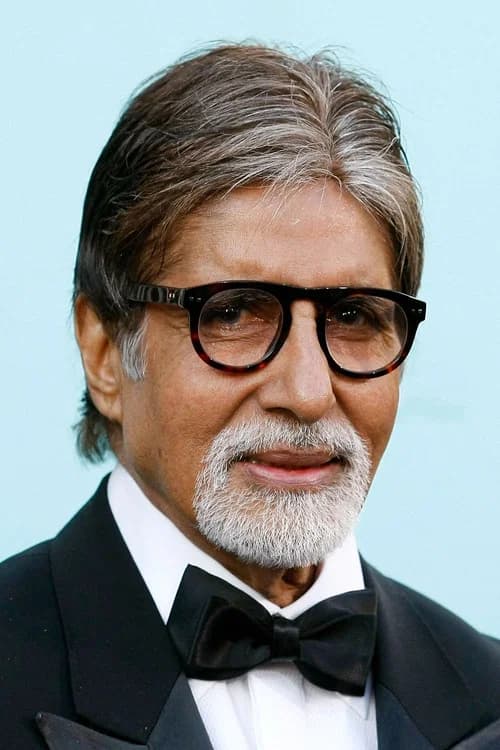

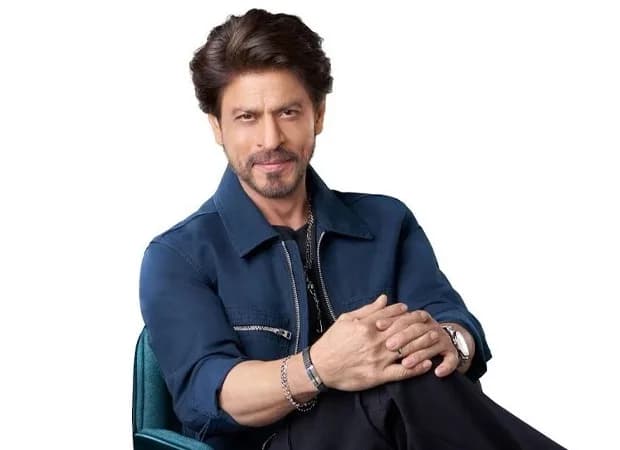
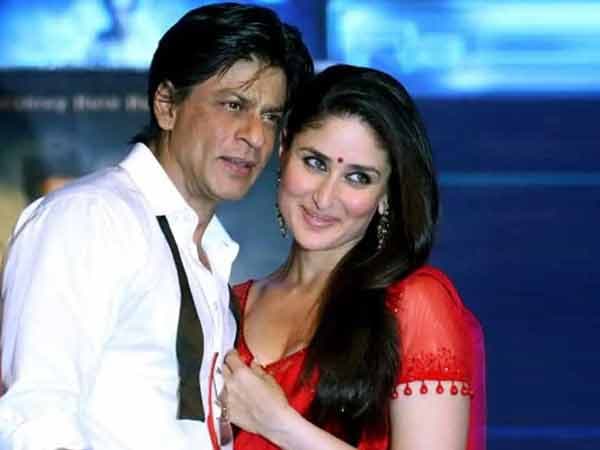
Kabhi Khushi Kabhie Gham hits its 25th birthday this December, and honestly, it never left. Karan Johar's joint-family drama released in 2001 with a cast that would be unthinkable to assemble today: Amitabh Bachchan and Jaya Bachchan as the Raichand parents, Shah Rukh Khan and Kajol as Rahul and Anjali, Hrithik Roshan as Rohan and a newly minted Kareena Kapoor Khan as Pooja, the girl everyone just calls Poo. Rani Mukerji, Jibraan Khan and Farida Jalal filled out a frame that already felt like an event before a single reel rolled.
The film borrowed its emotional spine from Yash Chopra's Kabhi Kabhie and its core plot from the Bengali film Tumi Je Aamar, then blew both up to a three-hour-thirty-minute canvas. Made on a reported budget of Rs 40 crore, it went on to collect close to Rs 136 crore worldwide, making it one of the highest-grossing Hindi films of its era. For a story about a father who disowns his son over marrying outside class, that's a lot of people buying tickets to watch a family fall apart and slowly find its way back.
Why it still gets quoted
Amitabh Bachchan's "Keh diya na... Bas keh diya" has outlived the plot point it belongs to. It shows up whenever a parent shuts a conversation down, whenever an argument ends without resolution. Rahul's pep talk to Rohan, the one that opens with "Zindagi mein agar kuch banna ho," gets recycled at graduations and in caption text two decades on. Bole Chudiyan didn't just soundtrack a wedding scene, it wrote the template every sangeet choreographer has been working off since, matching festive outfits and all.


Be the first to comment
Join the argument. No password, just your email or a passkey.