A quarter-century after Ashutosh Gowariker's cricket drama nearly won India its first Best Foreign Film Oscar, its craft and its quieter arguments about dignity hold up better than the match itself.
Twenty-five years ago, a three-and-a-half-hour film about a cricket match nobody in the village had ever played walked into Indian theatres and, somehow, never let go. Lagaan turns 25 this month, and what's stuck around isn't just the match. It's everything Ashutosh Gowariker built around it.
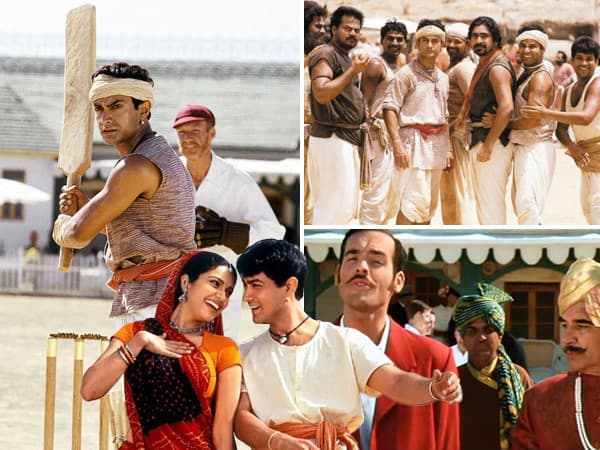
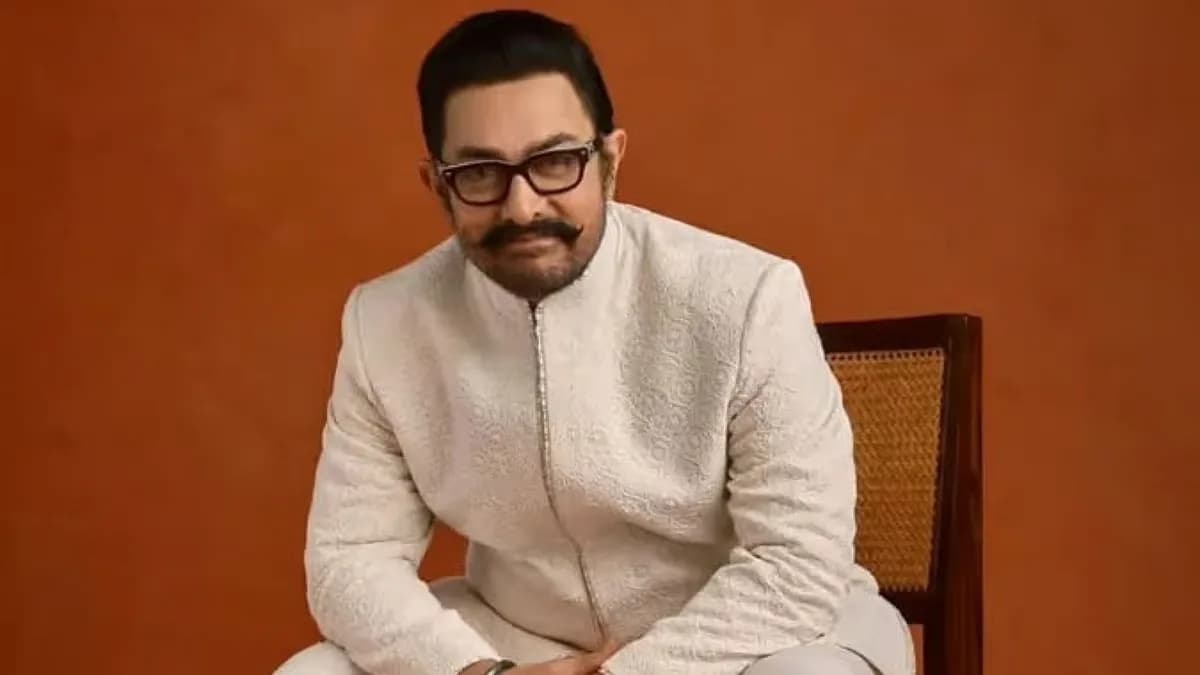
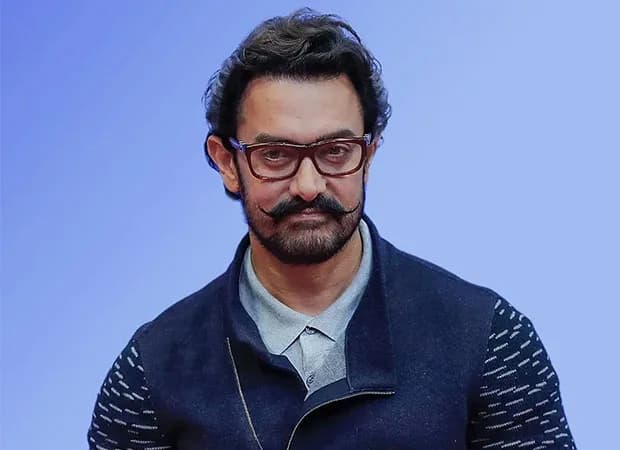
The setup is 1893, colonial India, a drought-hit village called Champaner and a doubled tax it cannot pay. Bhuvan, played by Aamir Khan, strikes a wager with the British: beat them at cricket, a game the villagers have never seen, and the tax disappears for three years. Lose, and it triples. It's a simple premise carrying enormous weight, and Gowariker uses it to build something closer to a founding myth than a sports underdog story.
What gets underplayed in most retrospectives is how much of Lagaan runs on restraint. Bhuvan's feelings for Gauri, played by Gracy Singh, never get spelled out the way a modern romance would insist on. It's all glances and duty getting in the way of desire. Then there's Elizabeth, the captain's sister played by Rachel Shelley, who Gowariker introduces not to manufacture a love triangle but to hold up a mirror. It's her quiet, unreturned affection that seems to help Bhuvan understand what Gauri actually means to him. That's a fairly grown-up move to tuck inside a film ostensibly about a bat and ball.
The film's craft holds up too. Cinematographer Anil Mehta shot it without any real trickery, leaning entirely on faces and reactions to carry the emotional weight of each ball bowled. In an old interview, later recounted by Filmfare, Mehta explained his approach: "There were times when I was distant on a long lens shooting the batsman, or times when I was up close or laid a track just to make some points a little more emphatic. If one of the batsmen is really angry, then there was a more push-in kind of track with a wider lens, and if there was a nervous Kachra, I gave a jagged use of the camera." AR Rahman's score works on the same restraint, arriving only when a scene actually needs the lift.
Then there's the subplot that tends to split audiences on rewatch. Captain Andrew Russell offers to waive the tax if the vegetarian Maharaja eats meat in front of him. The Maharaja refuses, twice, and the tax doubles out of spite. Watched as a kid, it plays like stubbornness. Watched again as an adult, it reads as a man refusing to trade his identity for convenience, even at cost to his own villagers.
Lagaan came within reach of the Best Foreign Language Film Oscar in 2002, a result that, at the time, felt like it opened a door for Indian cinema on the world stage before any film had really tried that door. Whether anything since has walked through it quite as far is a separate, ongoing argument. Twenty-five years on, the film that made that case is still the one people reach for.

Be the first to comment
Join the argument. No password, just your email or a passkey.