Laika Studios’ Wildwood finally arrives in Indian theatres this Friday, October 23, after more than a decade in development and a seven-year creative silence. The film marks the studio’s return to feature animation following the acclaim of Coraline (2009), ParaNorman, The Boxtrolls, and Kubo and the Two Strings — works that cemented Laika’s reputation for visual mastery and emotionally resonant storytelling. With expectations already sky-high, the latest offering doesn’t just meet them. It redefines what audiences can expect from stop-motion cinema today. Screen Rant’s review calls it a ‘visually stunning fantasy epic’ and a worthy successor to the studio’s most celebrated films, if not its greatest achievement yet. The animation is described as so intricate that viewers may find themselves momentarily distracted by its beauty, even as the story unfolds with quiet urgency. Every frame feels hand-crafted, alive with texture and detail, proof of the painstaking work behind the scenes. It’s not background noise. It demands attention. And it delivers on that demand. The plot follows Prue (Peyton Elizabeth Lee), a teenage girl whose baby brother Mac (Arthur Knight) is taken by a murder of crows during a forbidden outing. What begins as a rescue mission spirals into a deeper exploration of loss, loyalty, and transformation across a world where animals speak, forests breathe, and grief takes shape. While Prue’s journey is central, the emotional weight of the film rests heavily on other shoulders. Jacob Tremblay’s Curtis, initially a reluctant ally, emerges as a character whose arc hits harder than expected. But it’s Carey Mulligan’s Alexandra. The Dowager Governess who rules her pack of coyotes with an iron fist, who becomes the film’s most compelling presence. Her performance isn’t just chilling. It’s layered. She’s a villain shaped by tragedy: a mother who lost her son at twelve, her descent into cruelty portrayed not as sudden but as a slow, painful unraveling. A brief moment of unexpected compassion toward her, though unearned, points to the film’s rare empathy even for those who do harm. That duality defines Wildwood: it’s beautiful and horrifying, heartwarming and gut-wrenching, hopeful and crushing. All at once. There are moments of shocking savagery, sequences that land with visceral impact. Yet none of it feels gratuitous. The narrative refuses to soften its edges, nor does the animation. Even minor characters like Prue’s parents feel underdeveloped at times, but the review suggests this might reflect the protagonist’s own limited view of them, teenagers don’t always see their parents in full dimension. Still, any shortcomings are overshadowed by the film’s ambition. If Laika set out to prove it still belongs among the elite of modern animation, Wildwood has done more than accomplish that. It’s positioned itself as a serious contender for awards recognition in 2027. The release date isn’t just a calendar entry. It’s a reckoning. A chance to remember what animated films can be when they’re made not for children, but for people who still believe in magic. And the cost of losing it.
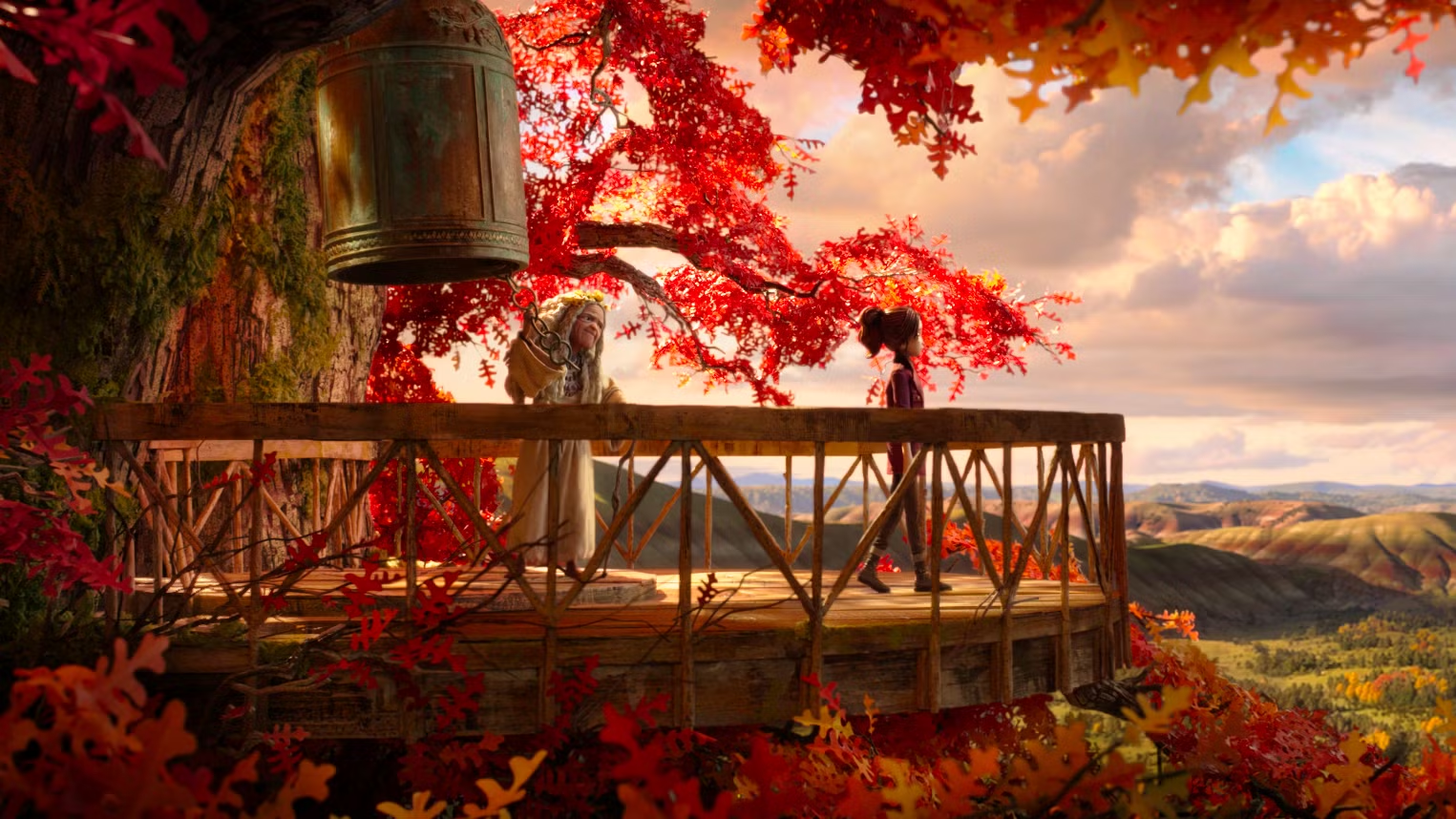 Photo via Screen Rant
Laika's Wildwood Opens in Theatres October 23
Laika's Wildwood opens in theatres nationwide on Friday, October 23, drawing praise for its emotional depth, visual mastery, and Carey Mulligan’s layered villain.
Live site hype
around 2 reading right now · 247 today
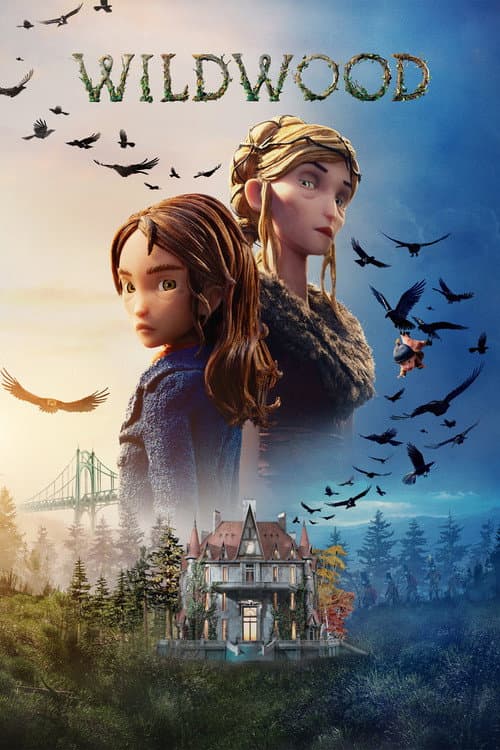
About the film
Wildwood
23 October 2026 · in theatres · cast, trailer and release details
Reported from
This article was written by the CutMirchi desk from the reporting above. Facts are attributed to their original publishers.
Read next
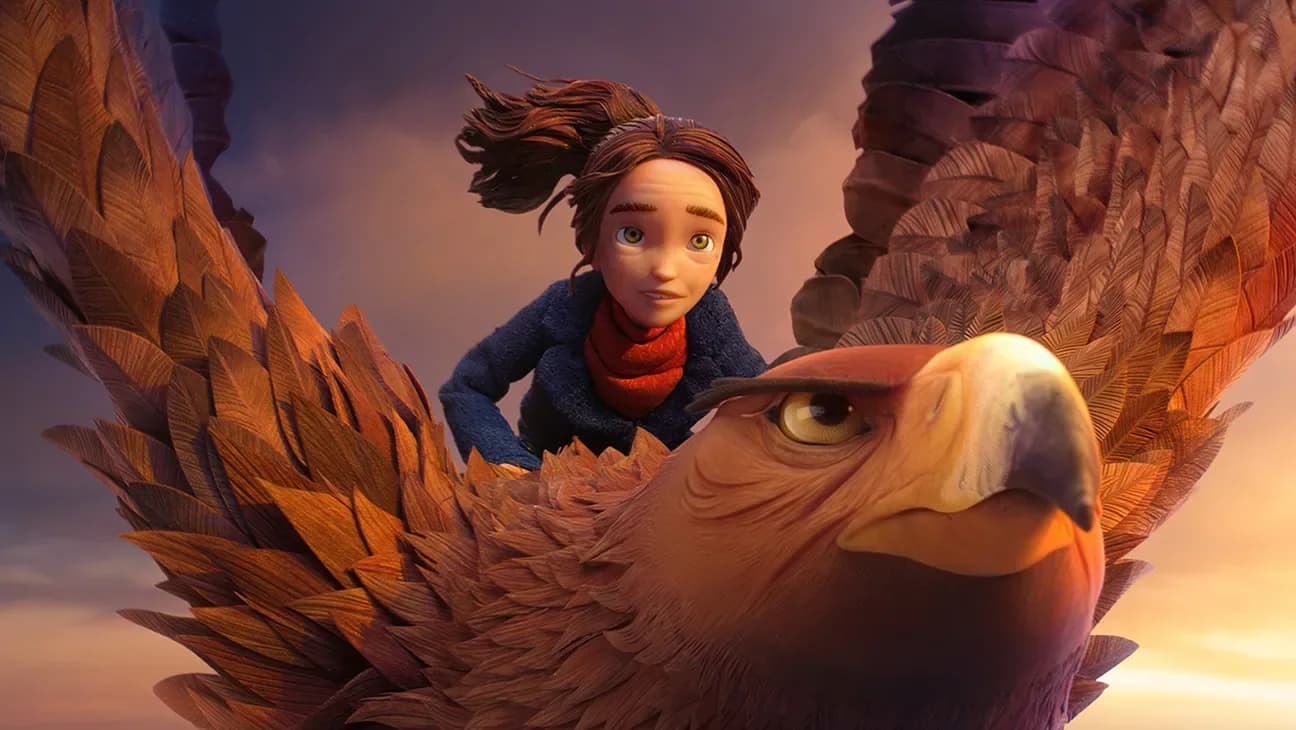
Wildwood Review: Laika’s Stop-Motion Masterpiece Is Here
Carey Mulligan plays a grieving ruler whose magic is born of loss, not malice. The film doesn’t ask us to forgive her. It asks us to understand.
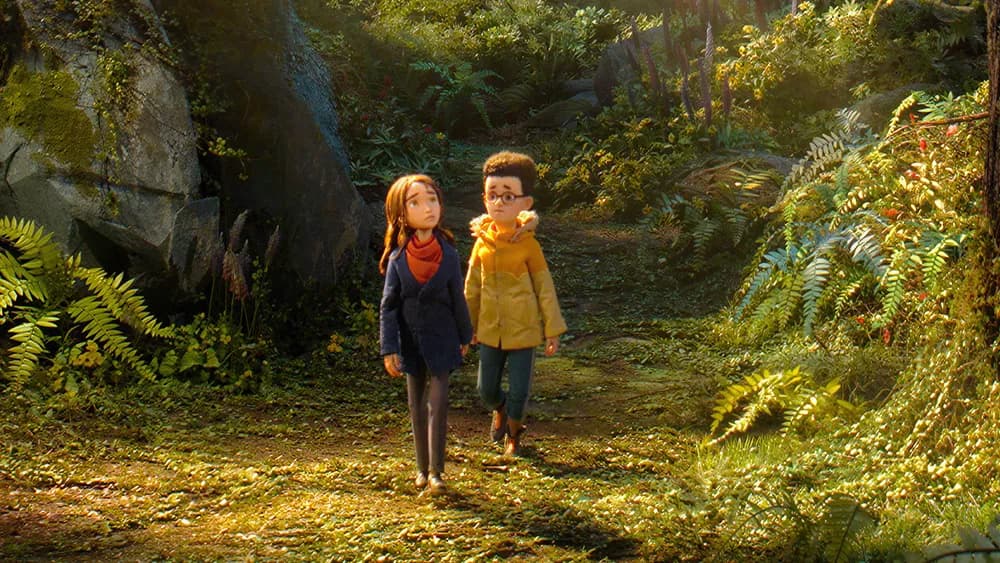
Carey Mulligan’s Villain Is the Heart of Laika’s Wildwood
Carey Mulligan voices the Dowager Governess Alexandra, a woman so broken by loss she weaponises it. Her voice alone — cold, precise, layered with sorrow — suggests a performance that could carry the film’s emotional core.
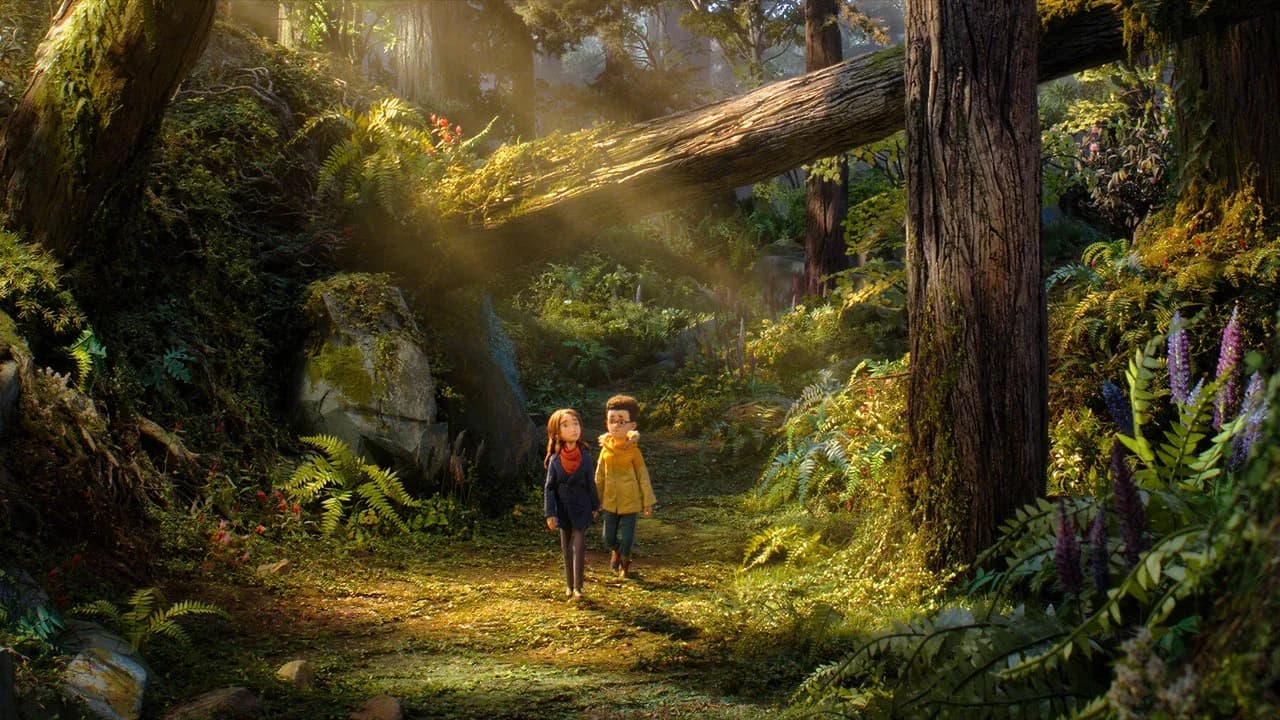
How 16 Years of Stop-Motion Built Wildwood
The movie, based on Colin Meloy’s 2011 novel, is now finally arriving — with a PG-13 rating, a story steeped in grief, and a visual language built frame by frame, hand by hand.
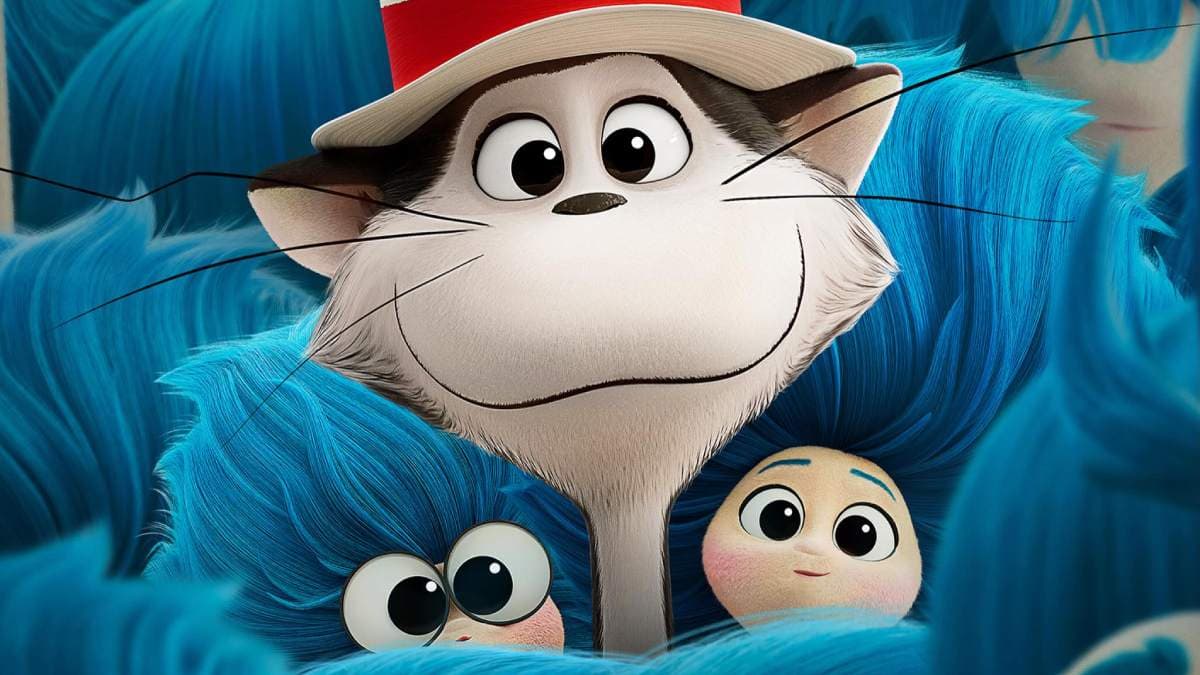
The Cat in the Hat Opens with $40 Million
The Cat in the Hat is tracking for a $40–$50 million opening weekend in North America, potentially giving Warner Bros its first $40M debut of 2026. It won’t beat The Grinch’s 2018 opening, but it could outpace the 2003 live-action version.
Be the first to comment
Join the argument. No password, just your email or a passkey.