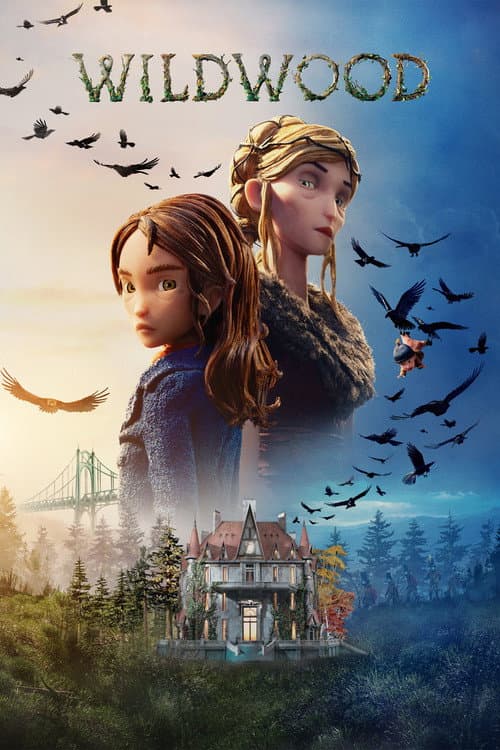
The most technically demanding scene in Wildwood isn’t a battle—it’s a kid walking across her room. Travis Knight made stop-motion feel like live-action, and it cost him a set that opened like a clam.
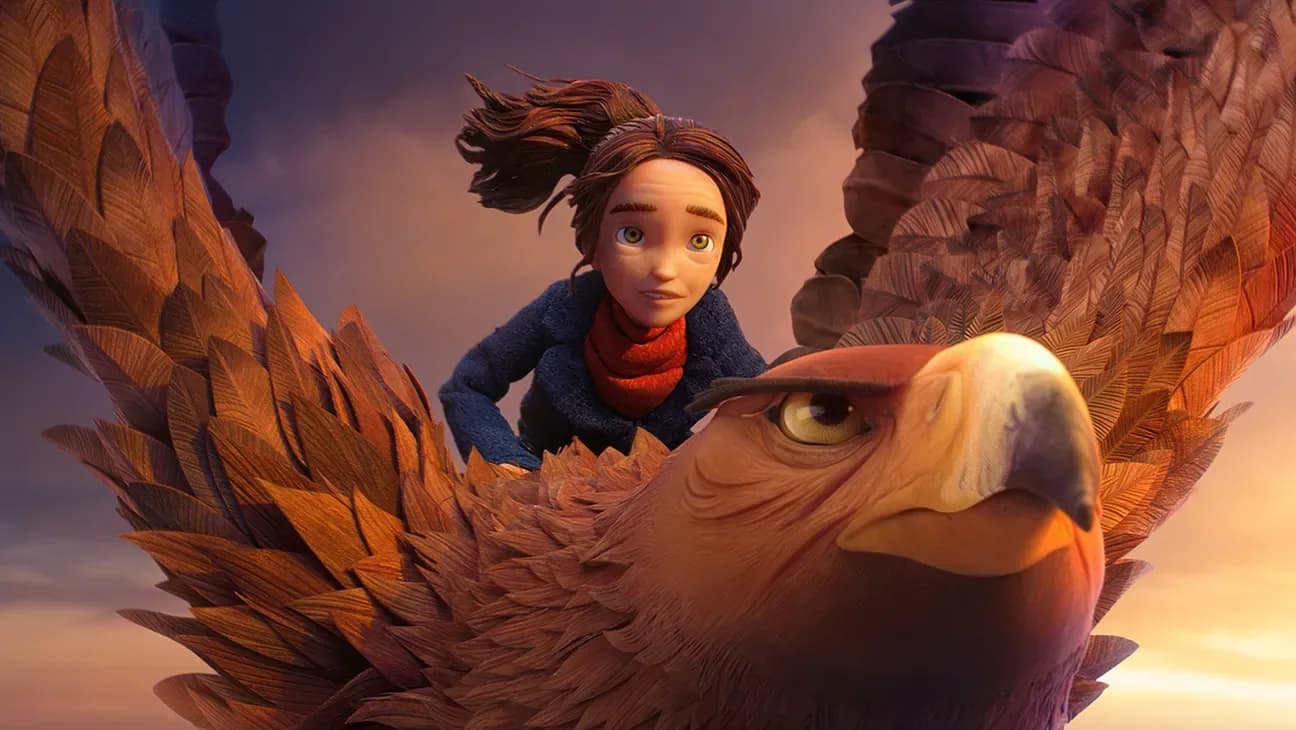
Travis Knight, director of Wildwood, has spent years mastering the art of stop-motion at Laika Studios — where every frame is painstakingly crafted by hand. But with his latest film, he’s pushing beyond the medium’s traditional boundaries. He wanted Wildwood to feel like a live-action movie, not just in tone but in camera language.
That meant abandoning the rigid, static shots often associated with puppet-based animation in favor of fluid, intimate movements that track a character through space. The result? A film where the most technically demanding scenes aren’t the epic battles or flying creatures, but quiet moments of ordinary life. One such moment, a simple pan across Prue’s bedroom, became a logistical nightmare.
The 10-inch-tall puppet representing the protagonist moves through a set scaled to her world, but the motion-control camera rig used for filming is roughly the size of a Ford F-150 in that scale. To capture the subtle tracking shot of Prue walking from one end of her room to the other, the team had to deconstruct the entire set.
It wasn’t just about moving the camera. It was about creating physical space for it. So they built what Knight described as a “clamshell” structure: the walls would open to let the rig pass through, then close again after the shot. “It was almost like it was a clamshell,” he said.
“It was such a complicated engineering feat, when all it is [for] is a camera panning across a room.”
The challenge wasn’t just spatial. Animator access was another layer of complexity, the human crew working on the puppets are roughly the size of Kaiju compared to the fifth-scale world of the characters.
Every movement required precise choreography between puppet, camera, and crew. Yet Knight insisted on this level of realism because he believed it would deepen the emotional connection. “I still wanted it to feel like it was shot like a live-action film, with that kind of intimacy with the camera,” he explained.
“But a camera on a motion-control rig is the size of a Ford F-150 in our [puppet-scale] world.”
This shift in approach didn’t come out of nowhere. Knight’s experience directing live-action films like Bumblebee and Masters of the Universe reshaped how he thought about cinematography. He learned how to use the camera not just as a tool, but as a narrative device, one that could reveal mood, memory, and change over time.
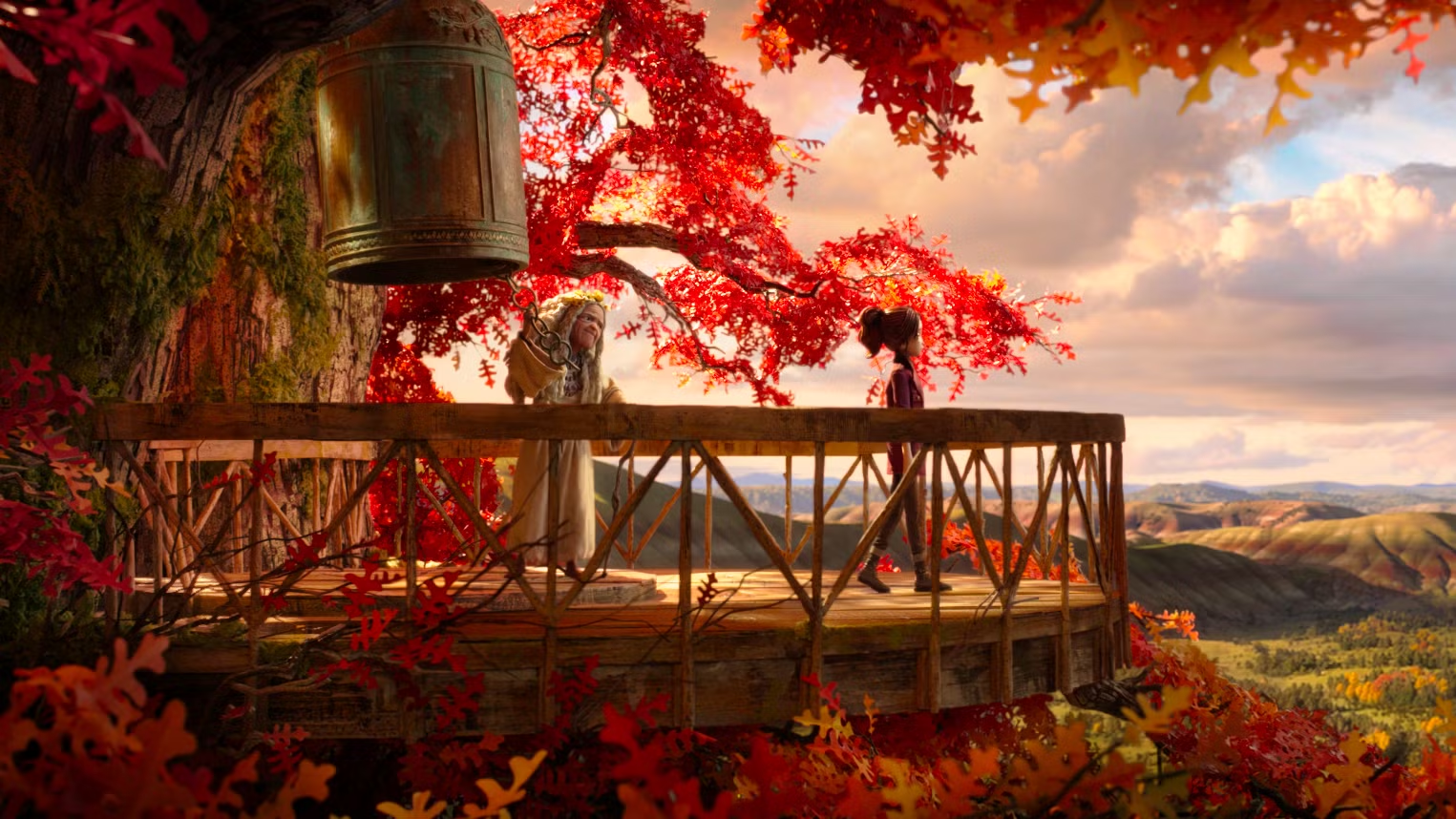
In Wildwood, that philosophy is evident in the way the camera lingers on small details: the shift in decor, the dust on a shelf, the way light falls across a wall. These aren’t just visual flourishes, they’re storytelling choices rooted in real-world filmmaking techniques. Knight admits the work behind these scenes is invisible to audiences.
“When I see this movie, I am seeing all these little miraculous moments of engineering and artistry and human creativity at play on the big screen,” he said. “That’s one of the reasons it moves me so much.”
Wildwood releases in select theatres on November 20, 2026. No streaming date has been announced.
But if you watch closely, you’ll notice something unusual: the film doesn’t look like stop-motion. It looks like a story being lived. And that’s exactly the point.


Be the first to comment
Join the argument. No password, just your email or a passkey.