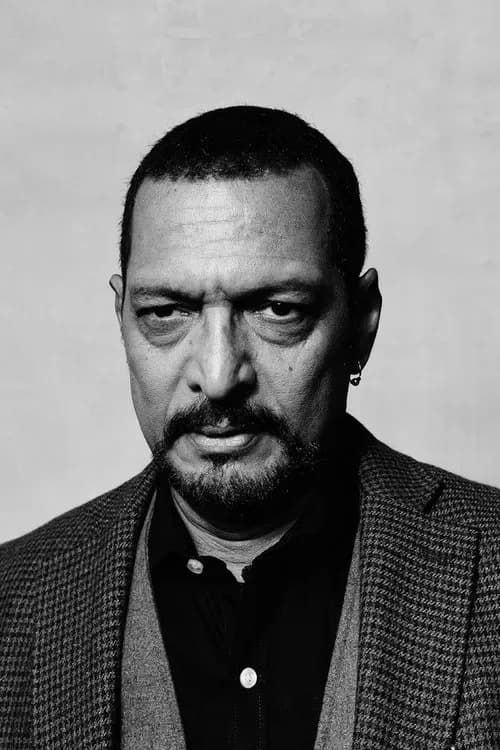
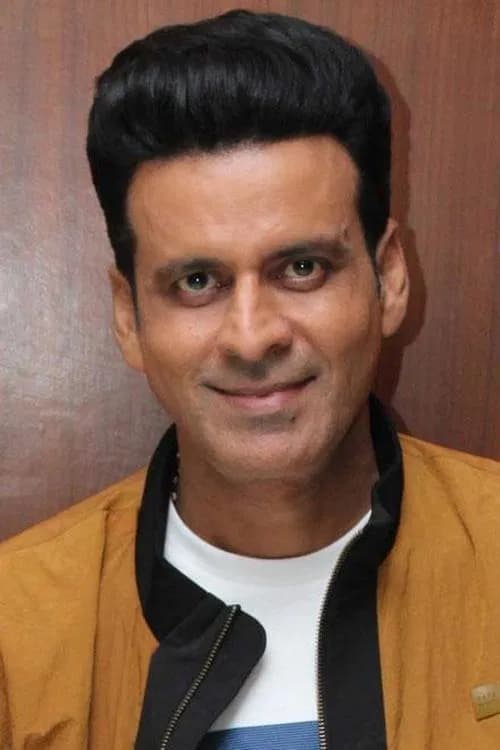
Manoj Bajpayee woke to a text from Ram Gopal Varma — ‘Nana is gone.’ He read it three times. Hoped it was a prank. Ramu always played the fool. But this wasn’t. The news landed like a stone in still water. Nana Patekar, the actor whose voice could cut through a room and whose presence could unnerve even the most seasoned performers, was dead. And for Bajpayee, the shock wasn’t just about loss, it was about the weight of what he’d shared with Patekar: years of friction, friendship, and fierce loyalty. They’d clashed on set during Raajneeti. Two strong-willed men, two distinct styles. If Patekar didn’t like a shot, he said so. Loudly. No filter. No diplomacy. Bajpayee would push back. They argued. Often. But as Bajpayee recalled, the criticism came not from malice, but from care. ‘He could be offensive,’ he admitted, ‘but he was all heart.’ That same bluntness, the lack of nuance, had made people uncomfortable. But it also made him unforgettable. What stayed with Bajpayee wasn’t the shouting. It was the tea. The quiet moments at Patekar’s modest home in Andheri, where they’d sit over cups and talk about how to navigate the film industry. Not just survive it, live in it. Patekar had been that rare figure: an actor who came from theatre and proved you could own mainstream Hindi cinema. Watching Ankush, Aaj Ki Awaaz. Those films gave Bajpayee hope. They showed him the path wasn’t closed. ‘It gave us courage to take that train to Mumbai,’ he said. But the real test came during Raajneeti’s shoot in Bhopal. His mother-in-law was diagnosed with cancer. In that moment, Patekar didn’t offer platitudes. He acted. Called doctors. Used his network. Made sure Bajpayee got the best possible care. ‘I was really touched,’ Bajpayee said. ‘He went out of his way.’ Even then, there was levity. On set, when Bajpayee was offered liquor, Patekar ribbed him mercilessly. ‘I was offered liquor during Raajneeti days and he would rib me mercilessly for having wine,’ he remembered, smiling. That was Nana: capable of making you feel small, then standing by you when the world turned cold. He’d asked his son Malhar to spend time with Bajpayee, to listen, to learn. To understand the craft, the grind, the life. Bajpayee remembers him as a man of severe contradictions, someone who could make you deeply uncomfortable one minute, then say something so profound it left you breathless. ‘Sometimes I think he was just black and white,’ he reflected. Patekar had wanted him in other projects too. Had told him directors would reach out. Those roles never materialised. But the bond did. For Bajpayee, Patekar wasn’t just a colleague. He was an elder brother who had his back. Now, with the actor gone, the question isn’t whether we’ll miss him. It’s whether we’ll finally see what he built. Not the legend. The work. The legacy that wasn’t loud, but deep. Like roots. Like silence after a storm. What happens next? The film world waits. Not for a funeral. For a reckoning.
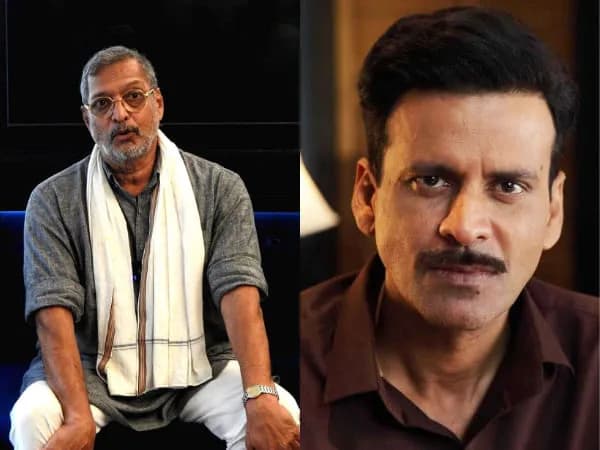 Photo via Filmfare
Manoj Bajpayee on Nana Patekar: The Elder Brother Who Ribbed You, Then Fixed Everything
The last thing Manoj Bajpayee said about Nana Patekar wasn’t about fame. It was about tea. And a mother-in-law’s treatment. That’s where the truth lives now.
In this story
Reported from
This article was written by the CutMirchi desk from the reporting above. Facts are attributed to their original publishers.
Read next

APFDC Honors Nana Patekar in Tribute Meeting
The APFDC held a tribute session for Nana Patekar and filmmaker Singeetham Srinivasa Rao at Vijayawada's Pandit Nehru Bus Station hall, honoring their contributions to Indian film with floral offerings and speeches.
Nana Patekar Dead at 75: The Last Line Wasn't On Screen
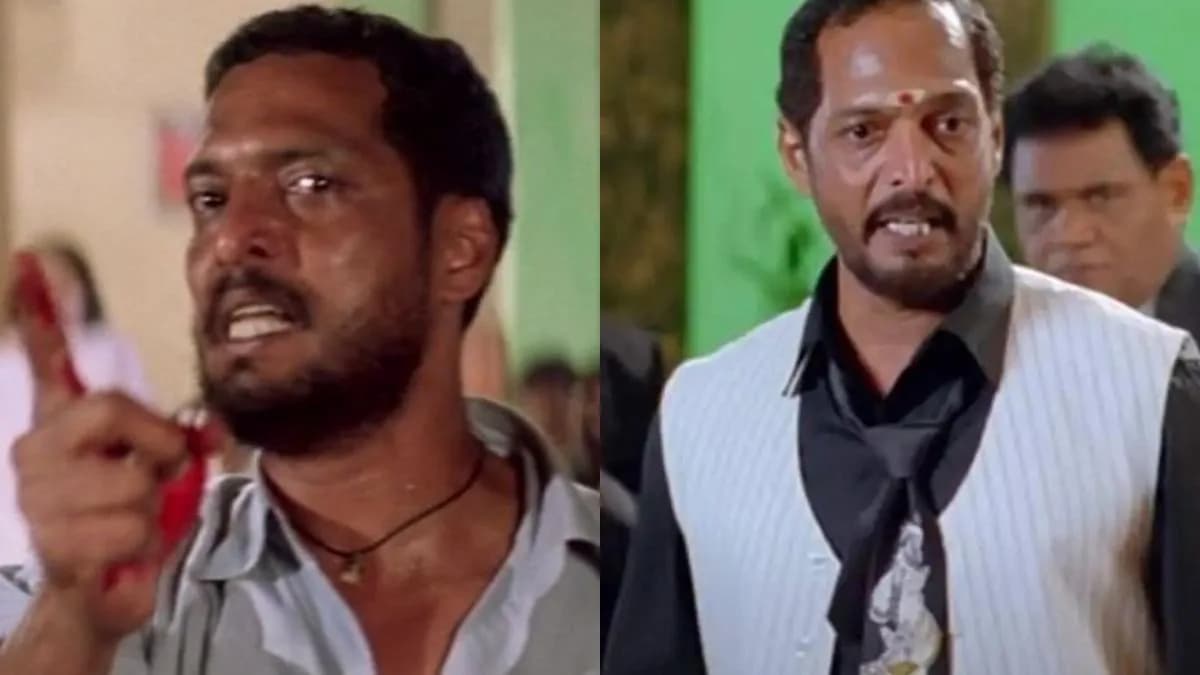
Nana Patekar is dead. The news broke Thursday morning, confirmed by multiple sources close to the actor’s family. He was 75. The veteran performer, whose voice could shift from a whisper to a roar in a single breath, passed away after a brief illness. No official cause has been released yet.
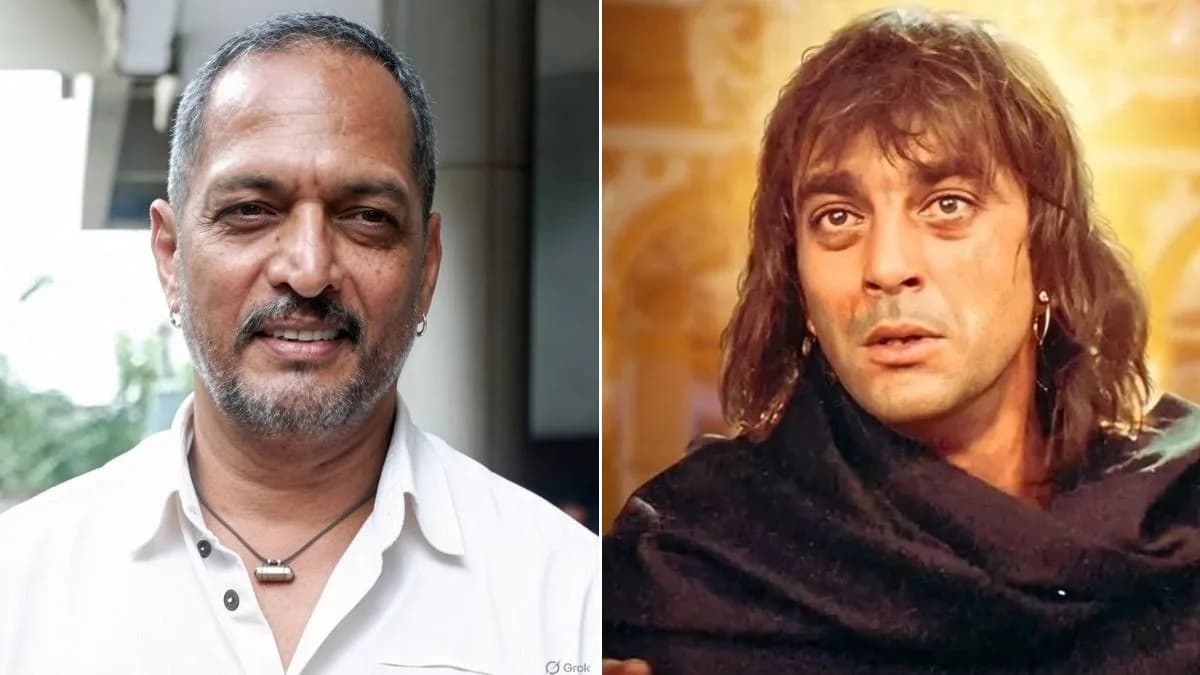
Nana Patekar’s Final Act Wasn’t On Screen
Nana Patekar, 75, has passed away. The news, confirmed by multiple outlets including Koimoi, has triggered an outpouring of grief across the industry. Tributes have poured in from stars like Akshay Kumar, Smriti Irani, and Boman Irani, with many calling him a force of nature—both on screen and off. His legacy isn’t just in films like Parinda, Krantiveer, or Natsamrat, but in the choices he m
Amitabh Bachchan Honours Nana Patekar on KBC 18
Amitabh Bachchan delivered an emotional homage to Nana Patekar on Kaun Banega Crorepati 18, recalling their shared moments and praising the actor’s fearless honesty and social service. Patekar passed away suddenly in Goa after a cardiac arrest.
Be the first to comment
Join the argument. No password, just your email or a passkey.