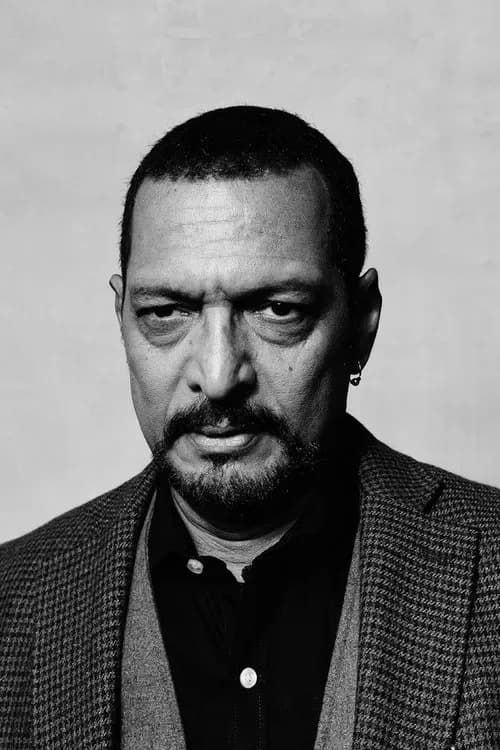
Nana Patekar is dead. The news broke Thursday morning, confirmed by multiple sources close to the actor’s family. He was 75. The veteran performer, whose voice could shift from a whisper to a roar in a single breath, passed away after a brief illness. No official cause has been released yet. His last public appearance was at the Dadasaheb Phalke Festival earlier this month, where he received a lifetime achievement award. A funeral is expected in Mumbai within the next 48 hours. Tributes are flooding in across social media — Shah Rukh Khan called him 'the conscience of Indian cinema', Salman Khan posted a black-and-white photo with the caption 'RIP Sir'. The internet is already compiling his greatest lines, but one stands out: ‘Dhande mein koi kisi ka bhai nahi, koi kisi ka beta nahi.’ That line, from Parinda, wasn’t just dialogue. It was a declaration. A warning. A worldview. And it defined Nana Patekar better than any title ever could. From Krantiveer’s righteous fury to Welcome’s manic comedy, his words weren’t spoken, they were delivered like verdicts. In ‘Krantiveer’, when he stood before the gallows and said ‘Aa gaye meri maut ka tamasha dekhne’, he didn’t fear death. He weaponised it. The same man who asked ‘Bata ismein Musalman ka khoon kaunsa aur Hindu ka kaunsa?’ in that same film. A question so simple, so devastating, turned politics into poetry. He made patriotism feel like a wound. Not a flag. A scar. In Ab Tak Chhappan, he said ‘Hum sab system ka hissa hain’ with such quiet certainty, you felt the weight of complicity settle on your shoulders. And then there was Uday Shetty. The gangster who sold vegetables in a suit, shouting ‘Aalu lelo, kanda lelo!’ with a grin that said: I’m not playing. I’m winning. That duality, the rage and the laugh, the pain and the punchline. Was his signature. He didn’t act. He inhabited. Now, silence. The screen is dark. But the lines? They’re still echoing. Which one hits hardest? You know the answer. The man who once said ‘Maut se badhkar koi dost nahin hai’, now, for the first time, even the idea of a friend feels distant. The legacy isn’t just films. It’s how we speak now. How we argue. How we remember. What comes next? The nation waits. For the next word. The next moment. The next voice.
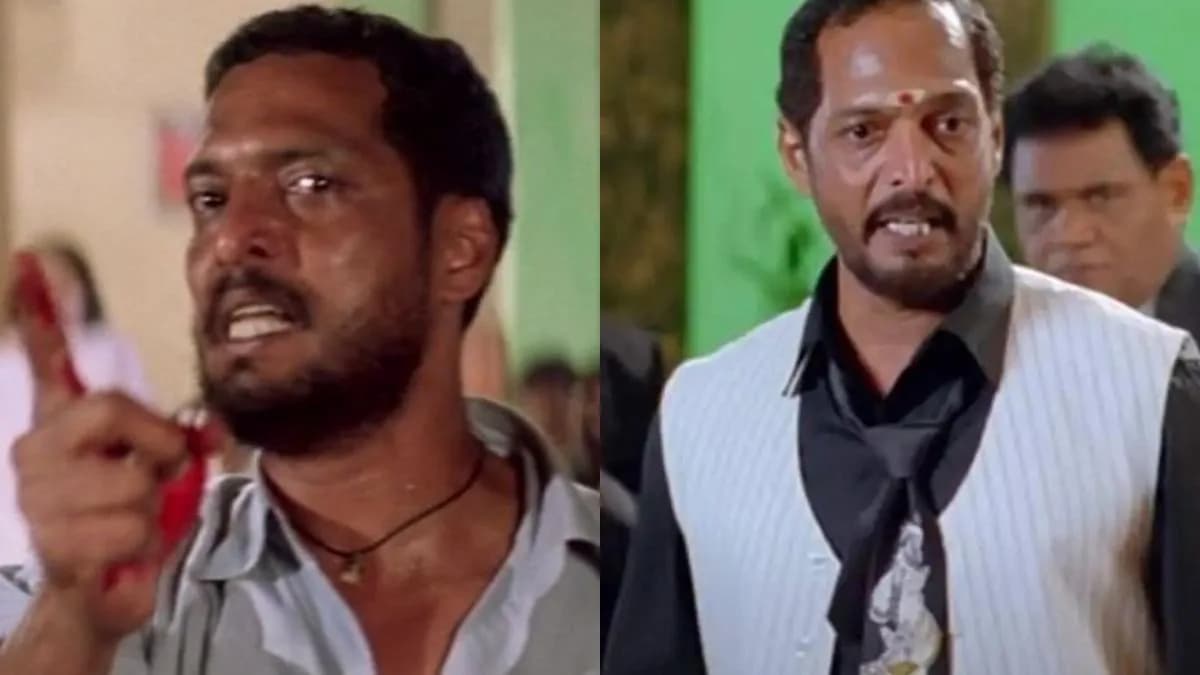 Photo via The Hindu Entertainment
Nana Patekar Dead at 75: The Last Line Wasn't On Screen
Nana Patekar dead at 75; tributes pour in after passing
In this story
Reported from
This article was written by the CutMirchi desk from the reporting above. Facts are attributed to their original publishers.
Read next
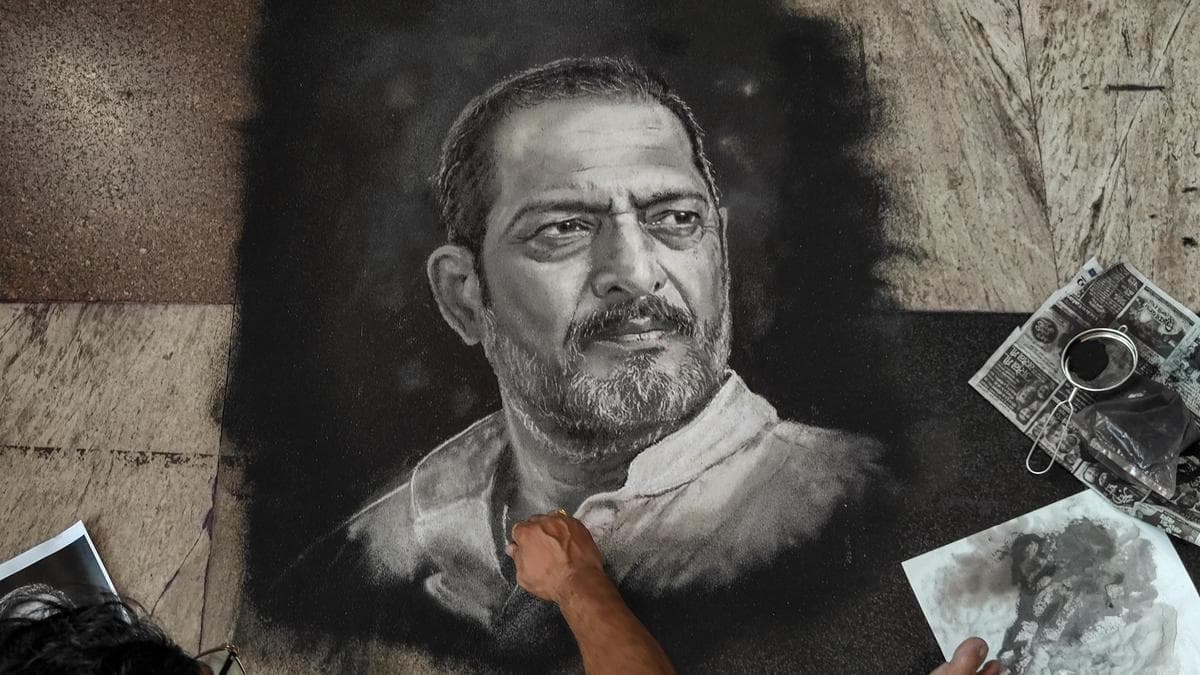
Nana Patekar Dies At 75, Leaves Behind Four Decades Of Defiant Cinema
Nana Patekar, the three-time National Award winner known for Krantiveer, Parinda and Natsamrat, died at 75 on Thursday of a sudden cardiac arrest, per The Hindu.
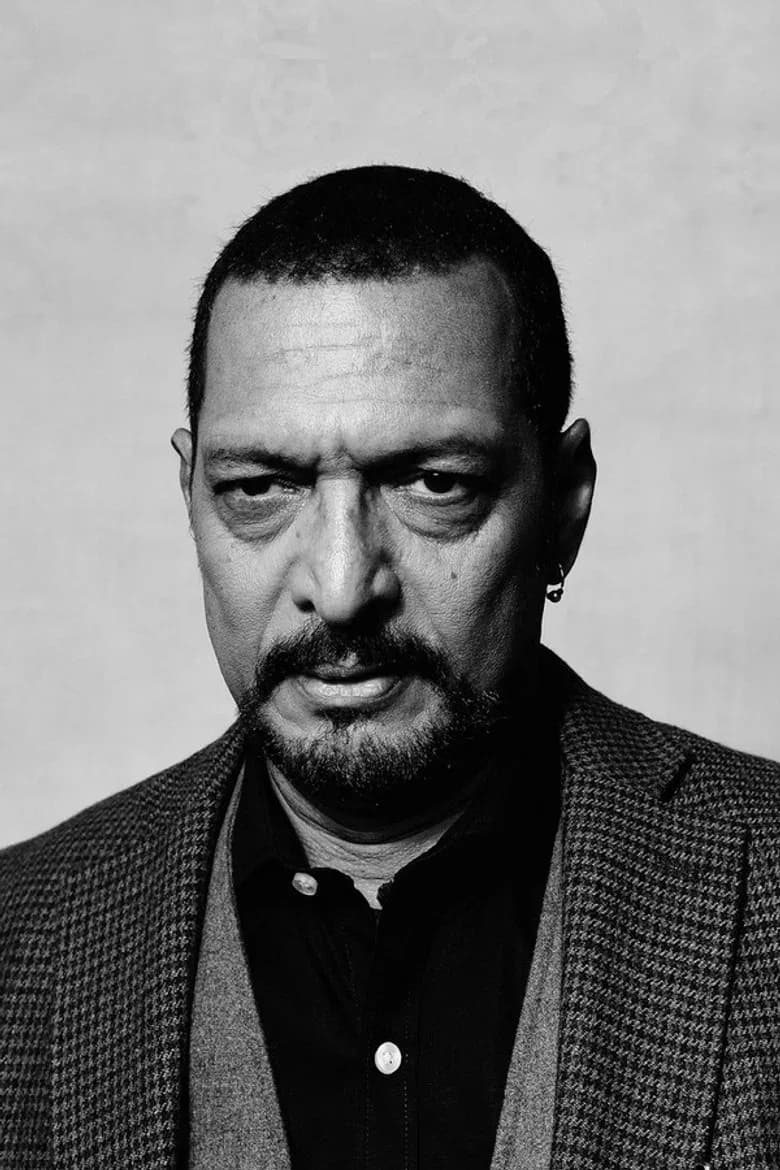
Nana Patekar Dies at 75 After Suspected Cardiac Arrest in Goa: His Life, Films and Awards
Nana Patekar, three-time National Award winner and Padma Shri, has died at 75 in Goa after a suspected cardiac arrest. A look at how he died and the career that made him one of Indian cinema’s most distinctive actors.
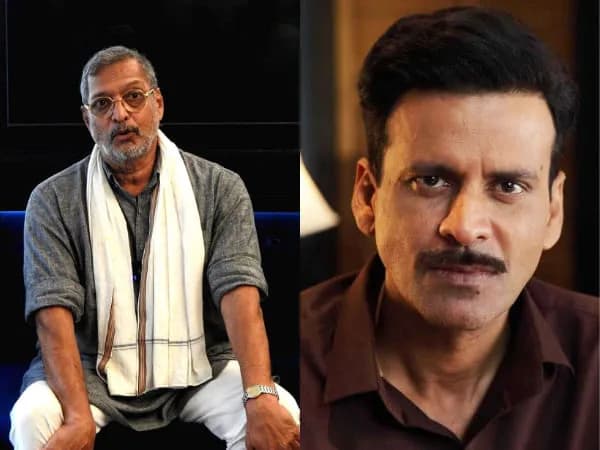
Manoj Bajpayee on Nana Patekar: The Elder Brother Who Ribbed You, Then Fixed Everything
Bajpayee remembered Patekar’s support during Raajneeti, when his mother-in-law was diagnosed with cancer. The veteran actor helped secure medical care through personal connections.

APFDC Honors Nana Patekar in Tribute Meeting
The APFDC held a tribute session for Nana Patekar and filmmaker Singeetham Srinivasa Rao at Vijayawada's Pandit Nehru Bus Station hall, honoring their contributions to Indian film with floral offerings and speeches.
Be the first to comment
Join the argument. No password, just your email or a passkey.