Marvel isn’t pulling the plug on its X-Men roster with a press release, but the absence of six characters speaks louder than any announcement ever could. According to Screen Rant’s analysis, Bailey Hoskins, Stacy X, Ink, Slipstream, and two others have been quietly sidelined — no new arcs, no cameos, no mention in recent crossover events. Their erasure isn’t accidental. It’s strategic. The publisher isn’t killing them off. It’s letting them fade into the background where they no longer demand attention or explanation. And that silence is telling. Bailey Hoskins first appeared in X-Men: Worst X-Man Ever, a five-issue miniseries from 2016 written by Max Bemis and illustrated by Michael Walsh. He was an ordinary teenager who discovered he was a mutant only to learn his power, self-explosion. Was fatal if used more than once. Beast’s assessment was blunt: “You can’t control it.” After a Sentinel attack killed his parents, he stayed at Xavier’s School for Gifted Youngsters, but felt like an outsider among mutants whose powers were both useful and manageable. His story concluded with him detonating himself to stop the villain Riches. That final act offered closure, but also a dead end. There’s been no resurrection, no posthumous tribute, no attempt to reframe his legacy. Just silence. Stacy X, introduced in Uncanny X-Men #399 in 2001, was born Miranda Leevald. Her mutation altered her skin, making her visibly different even among mutants. She survived by working at the X-Ranch, a brothel staffed entirely by mutants. Her pheromones could trigger intense physical reactions in others, and her appearance was central to how she was portrayed. When the X-Ranch was attacked by the Church of Humanity, she joined the team. But her time with the X-Men was brief. She clashed with teammates over romantic entanglements, particularly with Husk and Archangel. Her arc never evolved beyond conflict and sexualized tension. No deep exploration of identity, trauma, or agency. Her character remains defined by how she was seen. Not by what she wanted. Marvel has not revisited her since. Ink debuted in Young X-Men #1 in 2008 as a troubled teen with a criminal record. His power came from tattoos on his palm, each design granting a different ability, from biohazard poisoning to telepathy. He was recruited by someone posing as Cyclops, only to discover the man was Donald Pierce, an enemy of the X-Men. Ink switched sides mid-crisis, helping the real heroes. But later revelations upended everything: he wasn’t a mutant at all. His abilities were externally imposed. That twist made his entire narrative unstable. A franchise built around innate identity struggles couldn’t sustain a character whose origin hinged on deception. Without a mutant core, he had no place in the ongoing mythos. Slipstream, aka Davis Cameron, was introduced in X-Treme X-Men #6 in 2001. An Australian surfer, he learned his father was Viceroy, a crime lord, after his death. He and his sister Heather were targeted because of that connection. They were rescued by Storm and Sage, a mutant operative with foresight. But after that initial arc, Slipstream vanished. No follow-up. No return. His sister has appeared in later stories. He hasn’t. These characters aren’t erased. They’re unmade. Marvel doesn’t need to cancel them. It just stops writing them. And when a character disappears from every corner of the universe, it’s not oversight. It’s intention. The pattern reflects a broader shift: popularity shapes publishing decisions. Characters with controversial legacies, weak commercial appeal, or outdated narratives are left behind. Not because they’re bad, but because they don’t fit. And in a world where franchises demand clear, marketable icons, the quiet exit of these mutants is the new normal. The next question isn’t whether they’ll return. It’s who else is already gone.
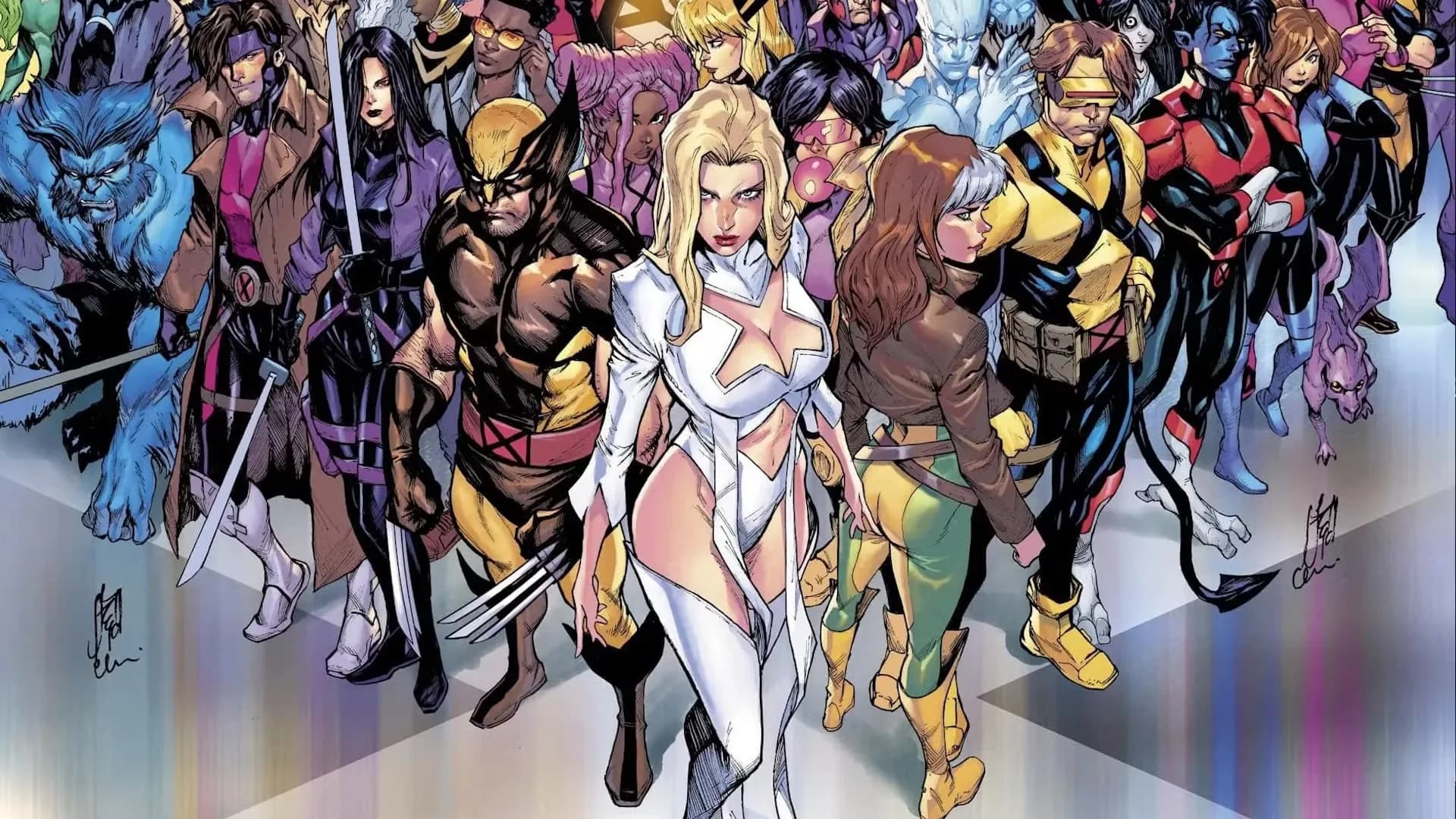 Photo via Screen Rant
Marvel Quietly Retiring 6 X-Men Characters
Six X-Men mutants are fading from Marvel's spotlight, with no new stories or arcs planned for them.
Live site hype
around 2 reading right now · 104 today
Reported from
This article was written by the CutMirchi desk from the reporting above. Facts are attributed to their original publishers.
Read next

Inde Navarrette Joins MCU X-Men as Rogue
Navarrette says she’s doing 'everything humanly possible' to honor Rogue — and the fans who’ve waited years for her return in the MCU.
Avengers Endgame Encore 2026 Box Office: On Track To Beat Mortal Kombat II
The film, released on September 25, 2026, has earned $37.7 million in North America and $127.7 million worldwide. It’s less than $5 million away from surpassing Mortal Kombat II’s $129.6 million global gross.
Stan’s New Role Is So Different, He Didn’t Even Take Off His Glasses
In Fjord, Sebastian Stan plays Mihai Gheorghiu, a devout Christian man uprooting his family from Romania to a remote Norwegian village. The film, already generating quiet buzz at early screenings, hinges on a single, relentless shot technique — a choice that Mungiu made not just for style, but to trap the audience inside Mihai’s suffocating reality.
Avengers: Doomsday Crosses ₹1,000 Cr in Pre-Sales Ahead of Release
Avengers: Doomsday has already crossed ₹1,000 crore in advance bookings — and it hasn’t even hit screens yet.
Be the first to comment
Join the argument. No password, just your email or a passkey.